Global Workshop on Urban Climate Resilience

6 - 7 May 2025 in Madrid, Spain
Hosted by UN-Habitat under the Flagship Programme, RISE-UP: Resilient Settlements for the Urban Poor, and proudly supported by the Spanish Agency of International Cooperation for Development (AECID) and the 2030 Agenda for Sustainable Development Sub-Fund under the UN Peace and Development Trust Fund (UNPDF).
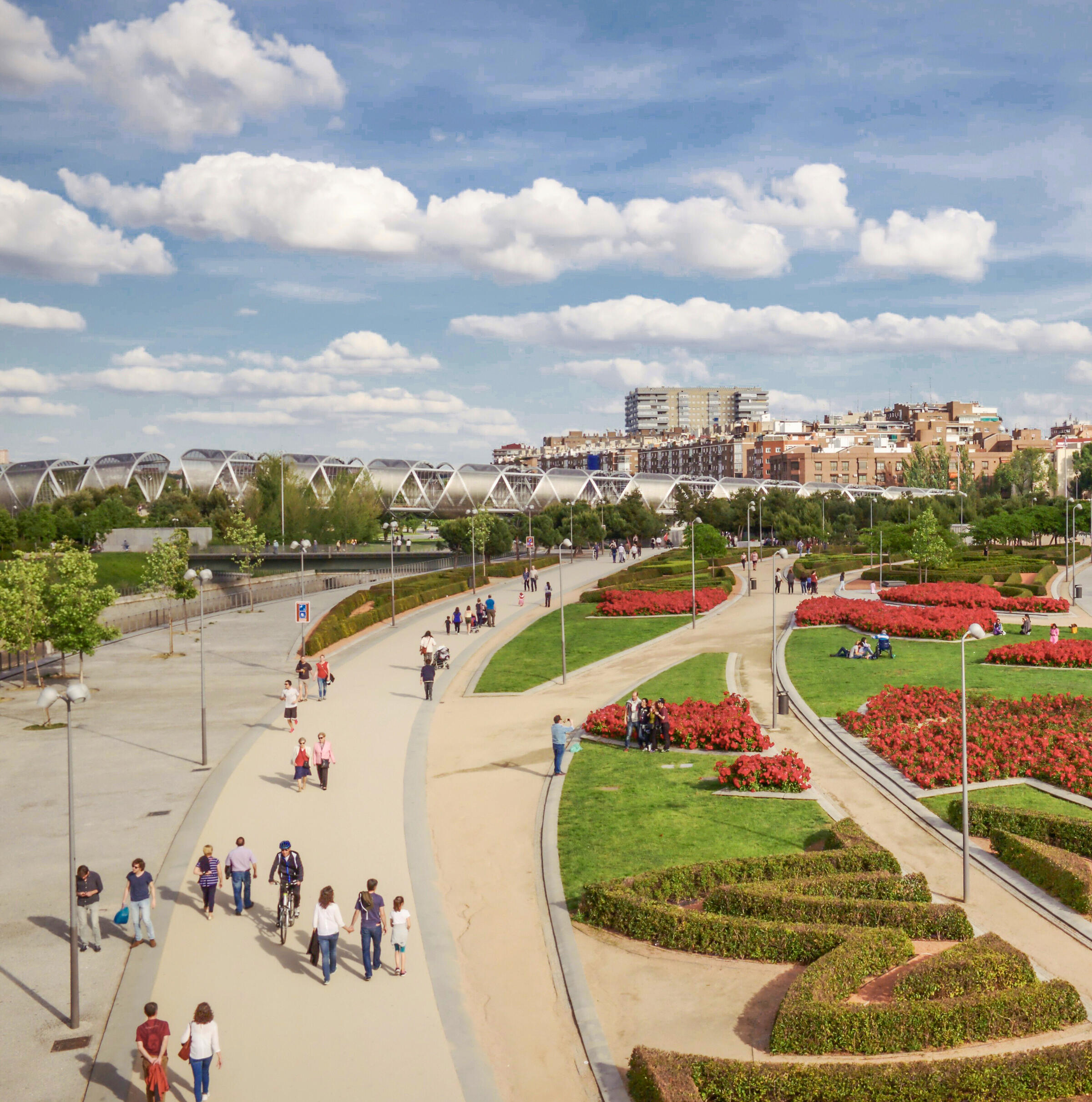

Global Workshop on Urban Climate Resilience

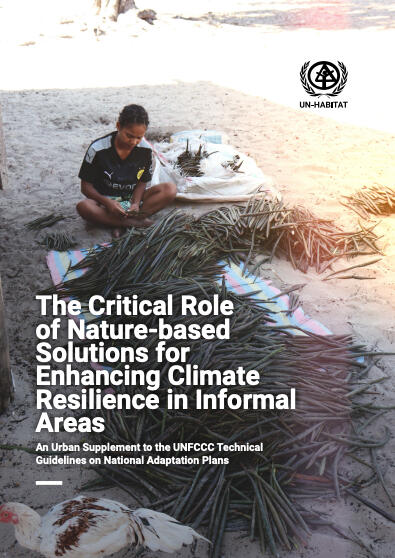
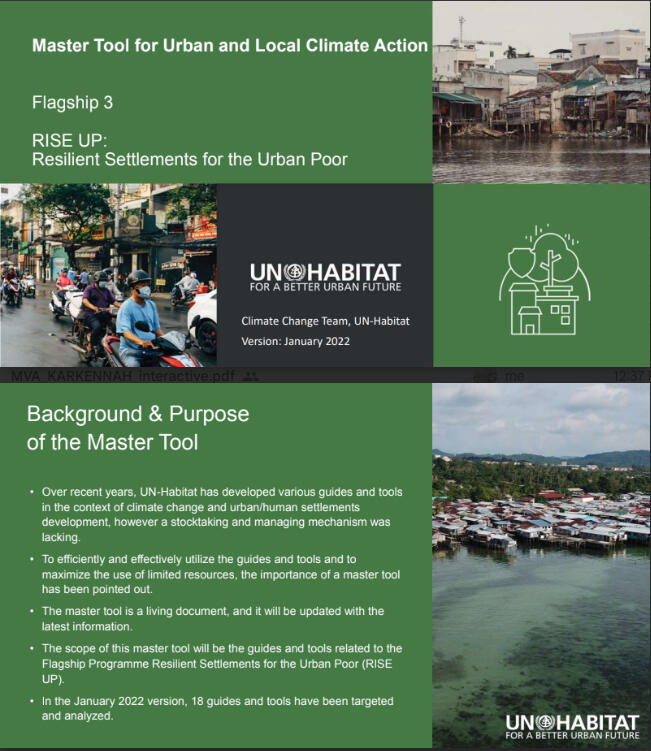
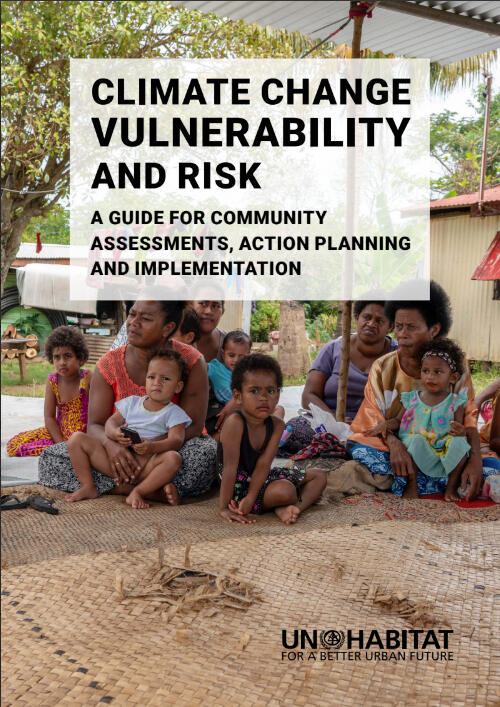
The following are selected publications developed under UN-Habitat's Flagship Programme, RISE-UP: Resilient Settlements for the Urban Poor, and proudly supported by the Spanish Agency of International Cooperation for Development (AECID) and the 2030 Agenda for Sustainable Development Sub-Fund under the UN Peace and Development Trust Fund (UNPDF).


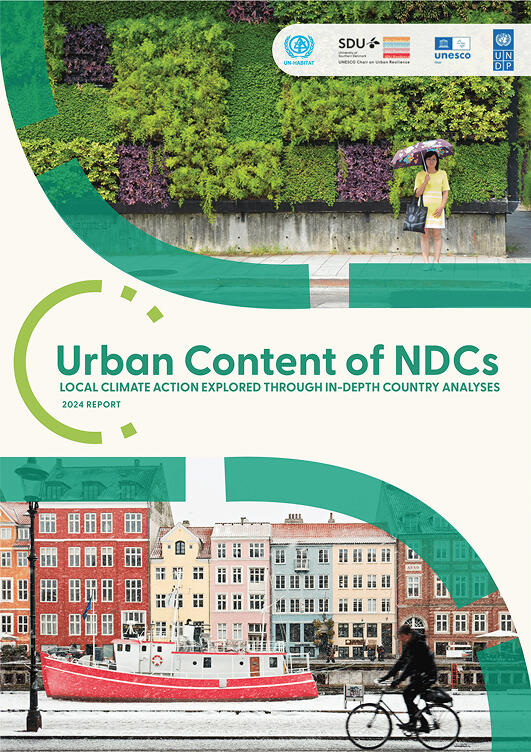
Featured reports

Climate, Urban, and Biodiversity Vulnerability Profiles
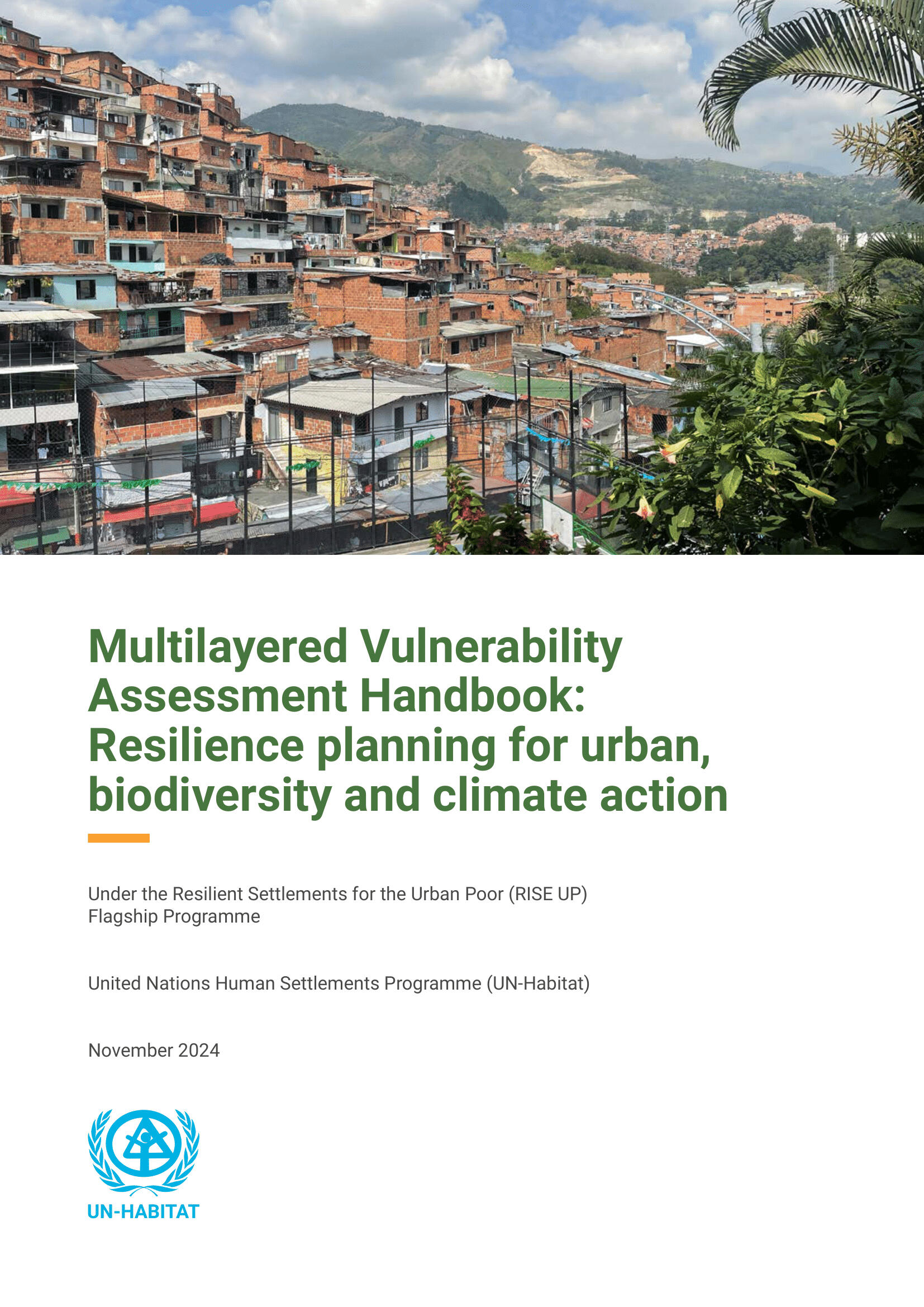
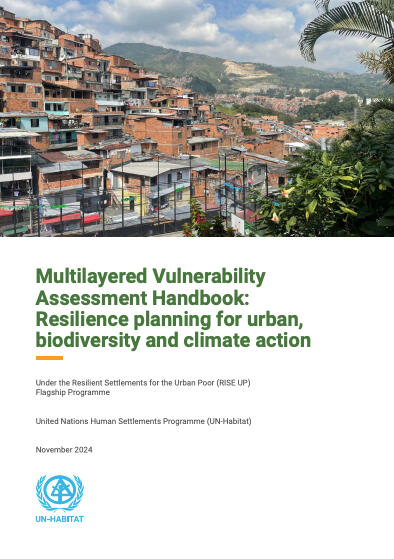
The Multilayered Vulnerability Assessment (MVA) tool has been developed under the UN-Habitat RISE-UP flagship programme. The purpose of this tool is to help communities, cities, and local leaders to map and assess multilayered vulnerabilities more comprehensively. The tool addresses the nexus between climate change hazards and risks, urbanization and spatial trends and characteristics, and biodiversity loss and land degradation to identify vulnerability hotspots arising from spatial overlaps and conflicts.Visit the UN-Habitat website to download the MVA Handbook and explore city profiles that have applied the Multilayered Vulnerability Assessment (MVA) methodology.


Urban Vulnerability Atlas

An advanced interactive platform helping governments tackle vulnerabilities from climate change, biodiversity loss, and urbanization. Access the Urban Vulnerability Atlas (UVA) here.

Highlights from the Global Workshop on Urban Climate Resilience

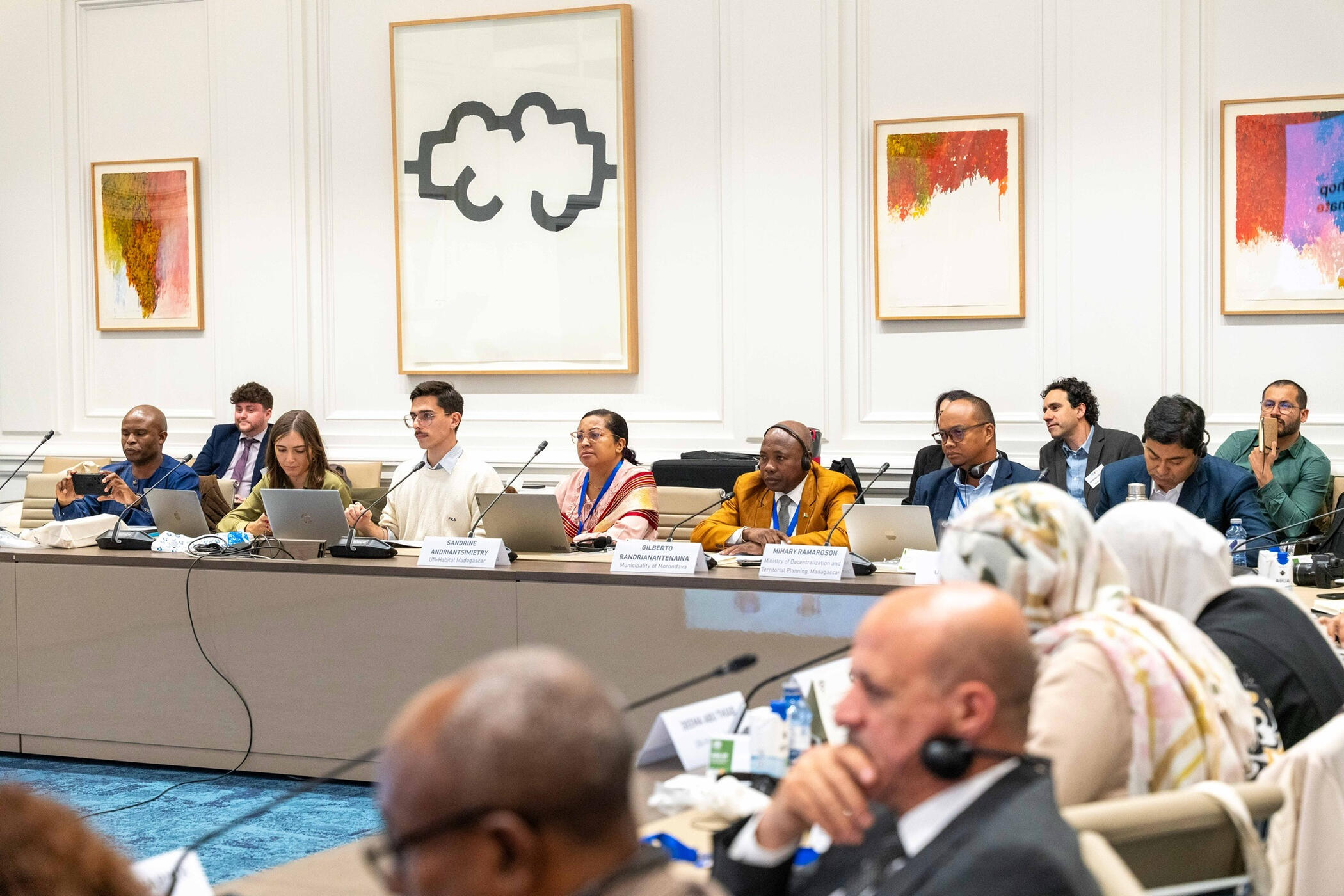
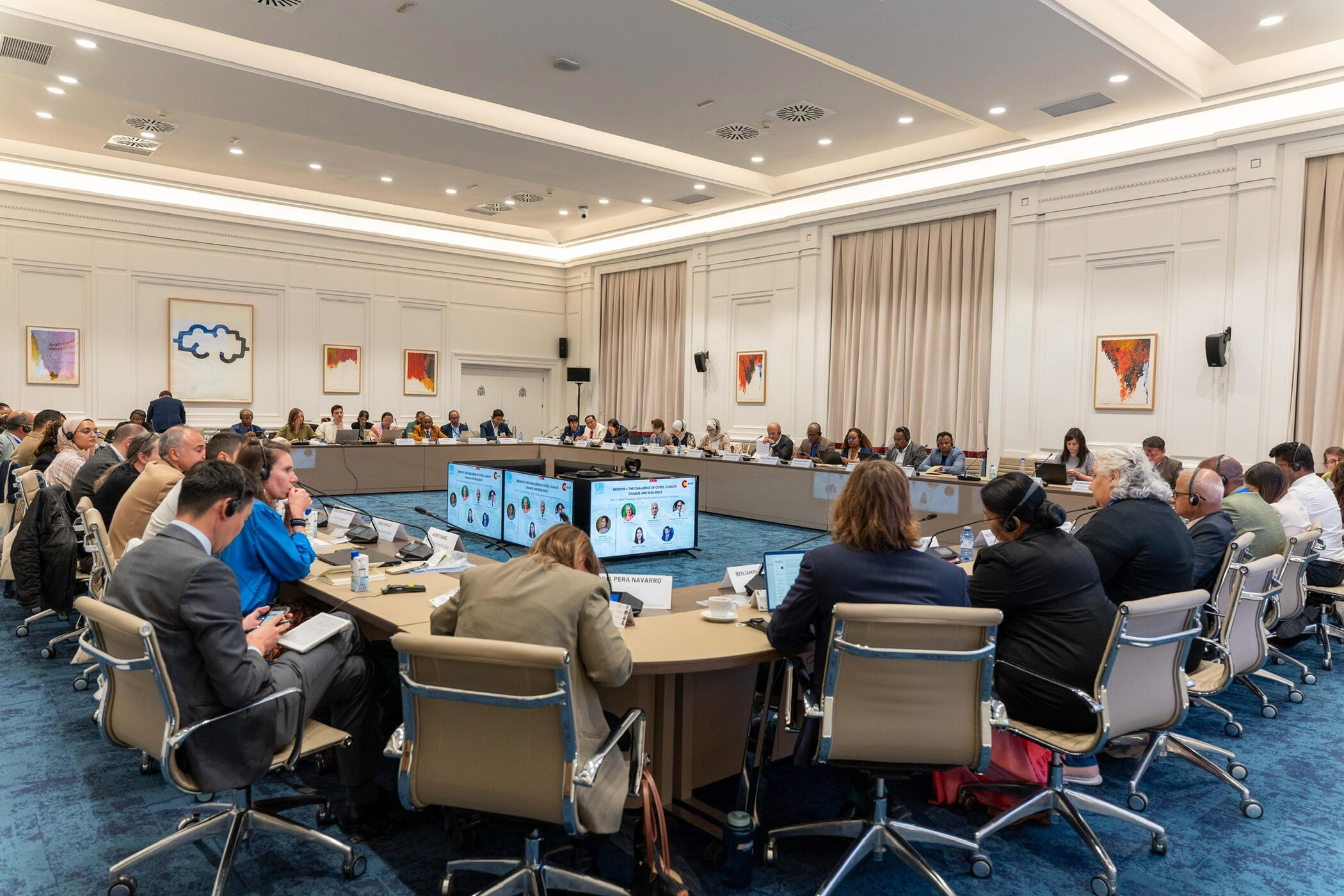
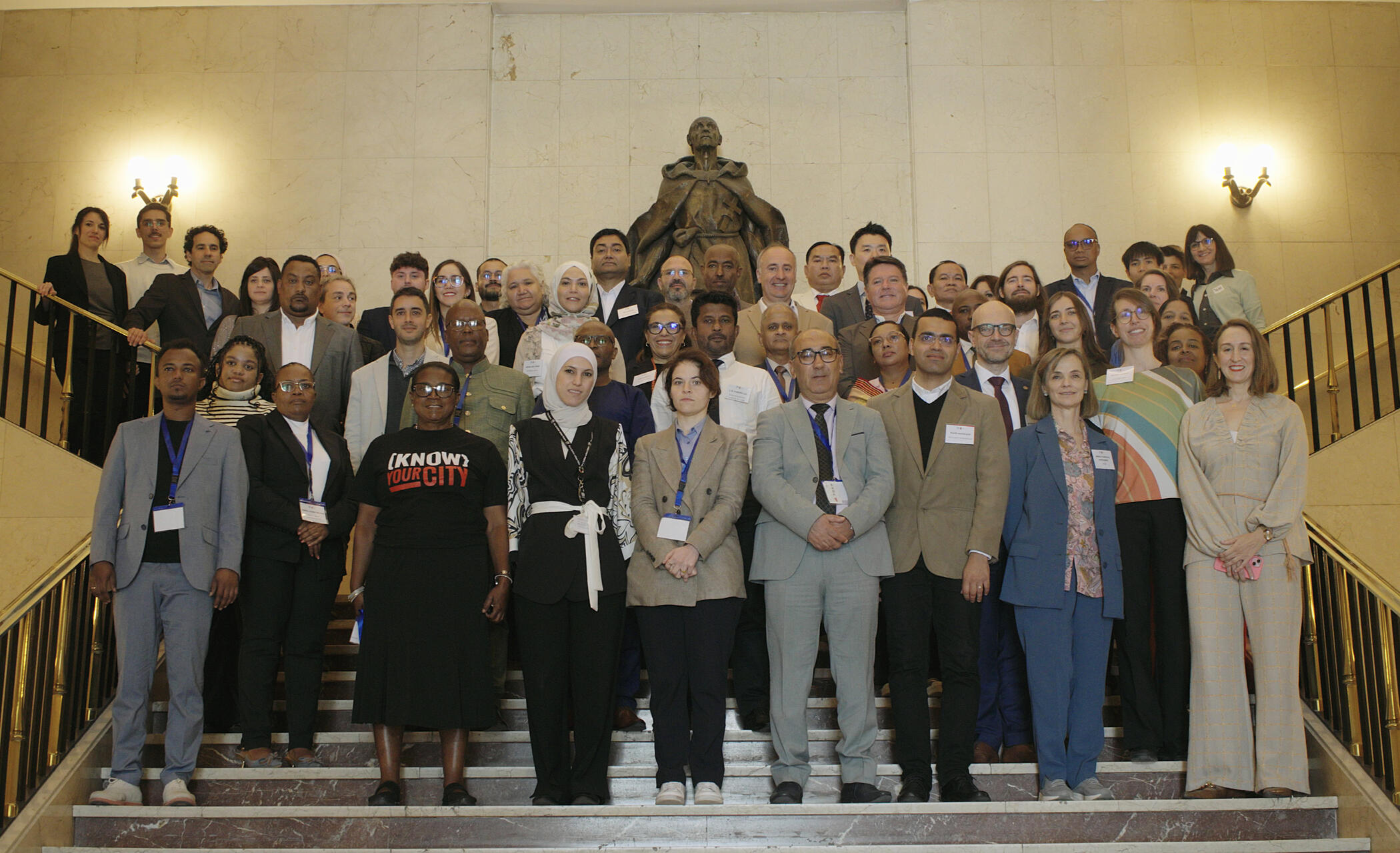
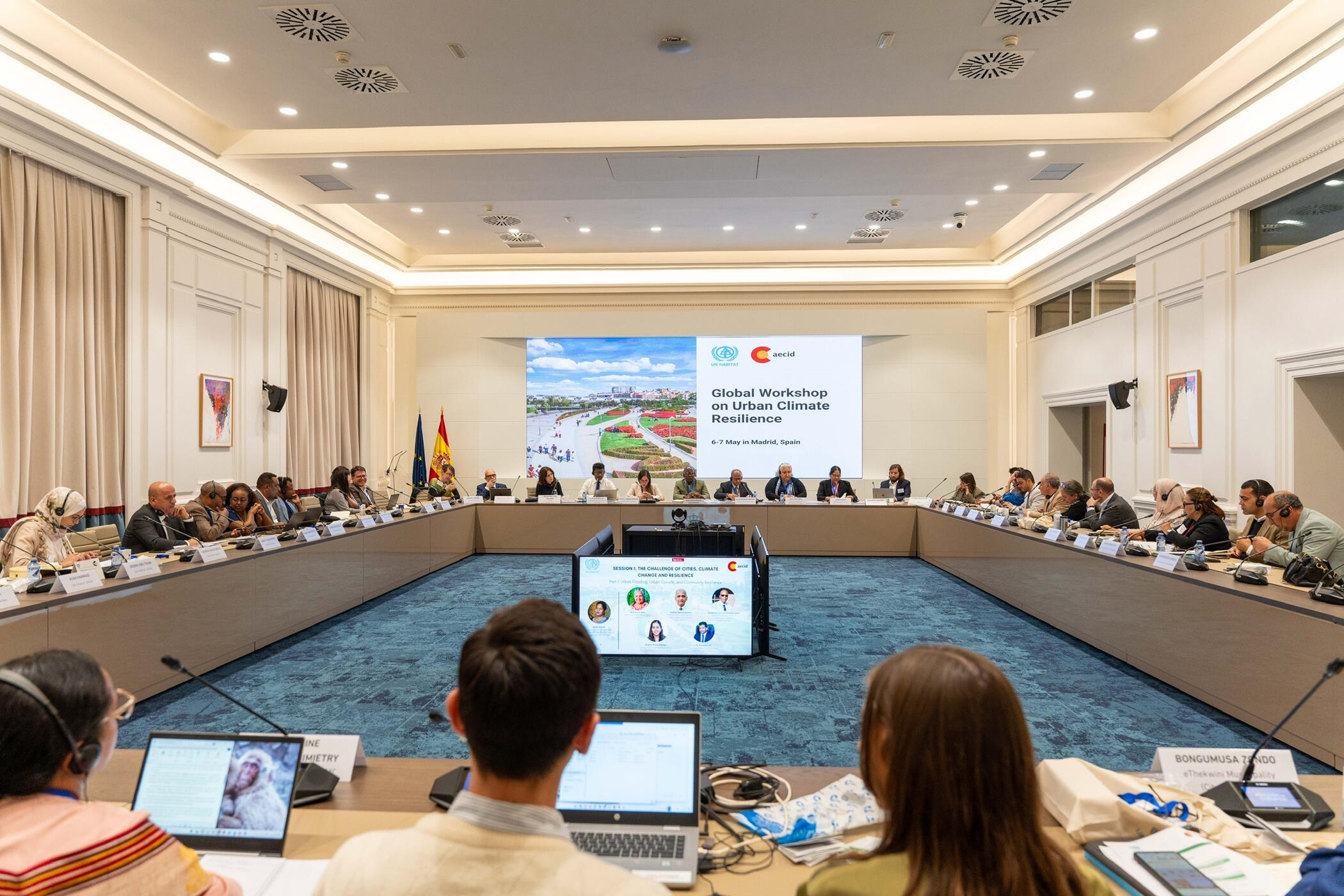
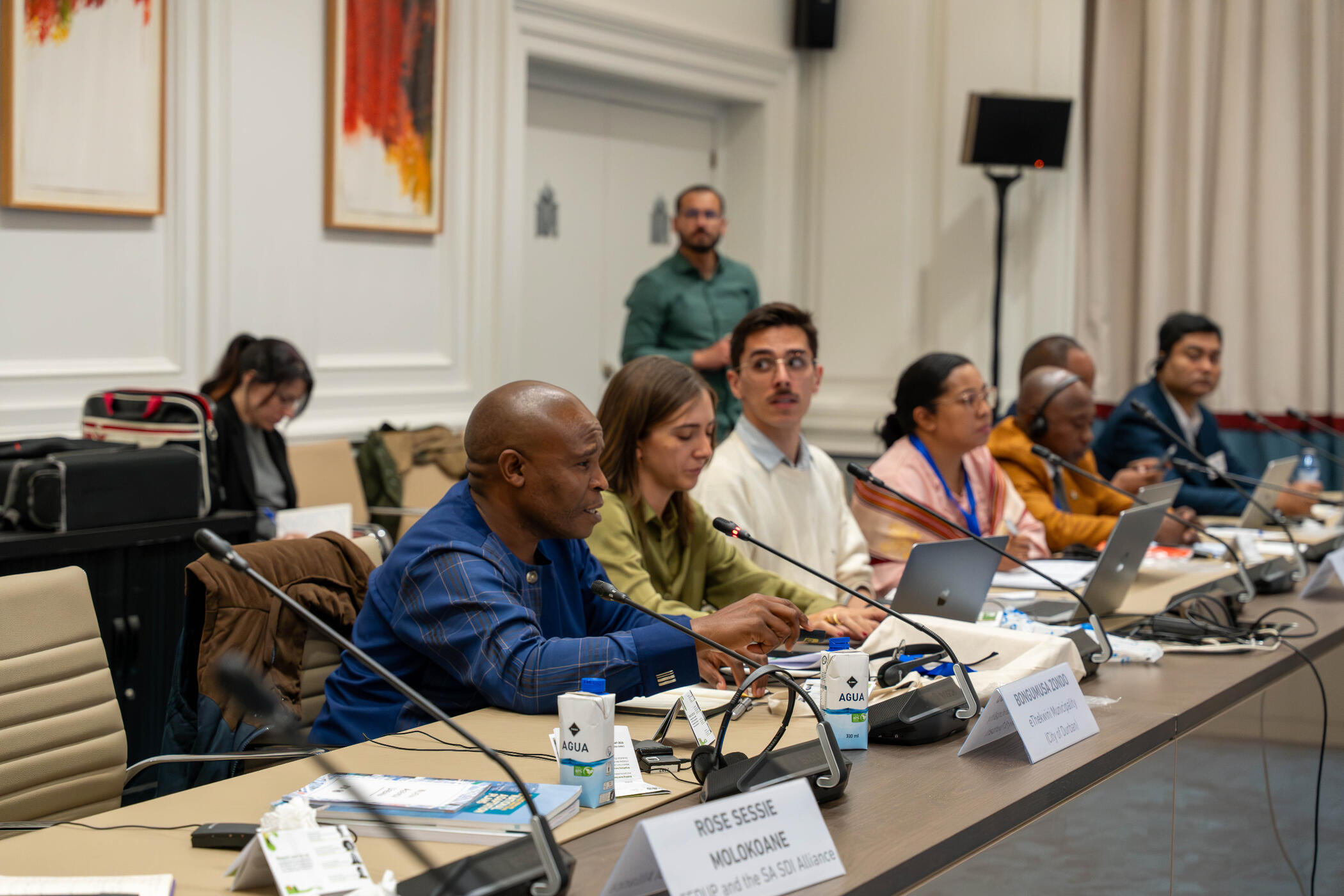
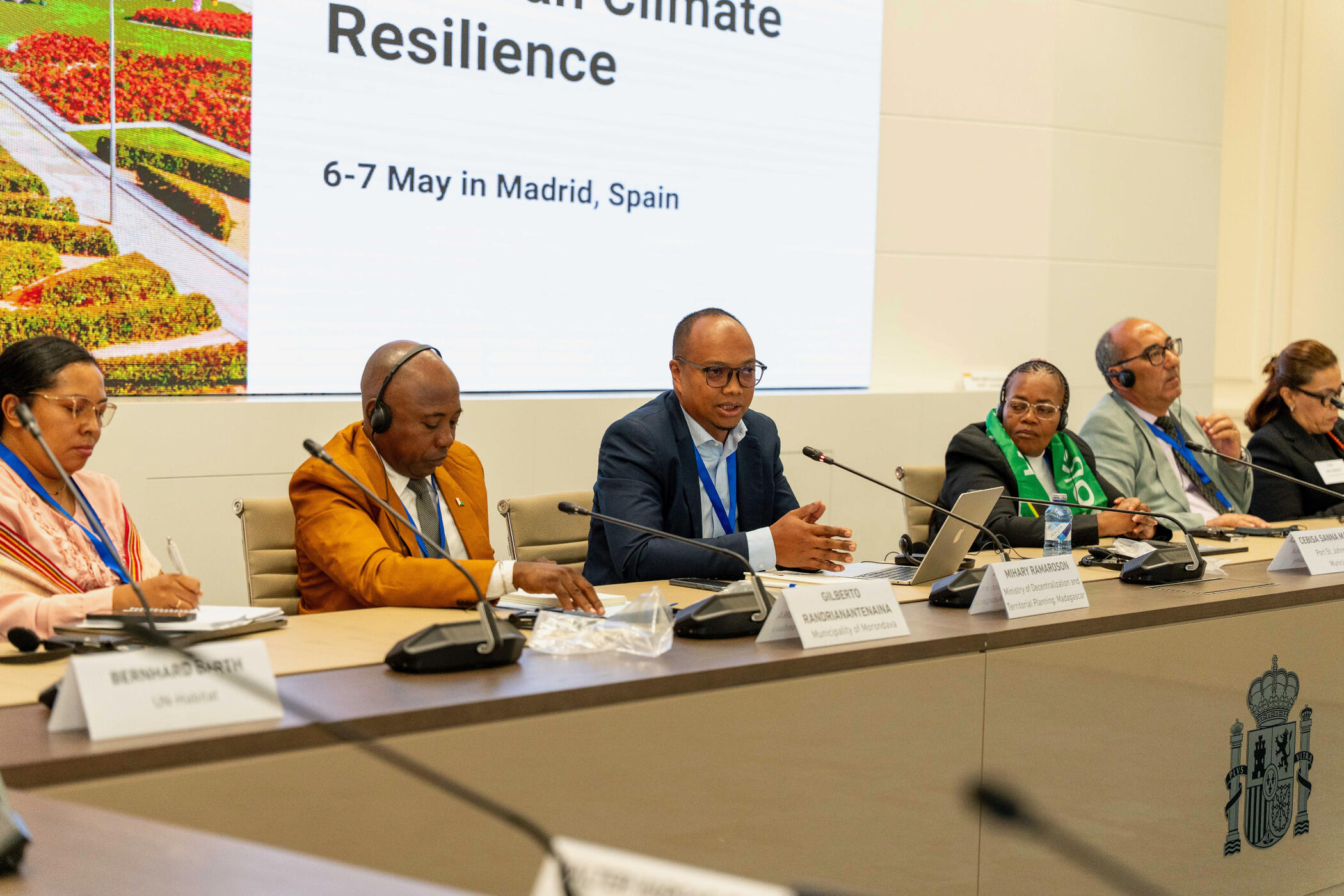
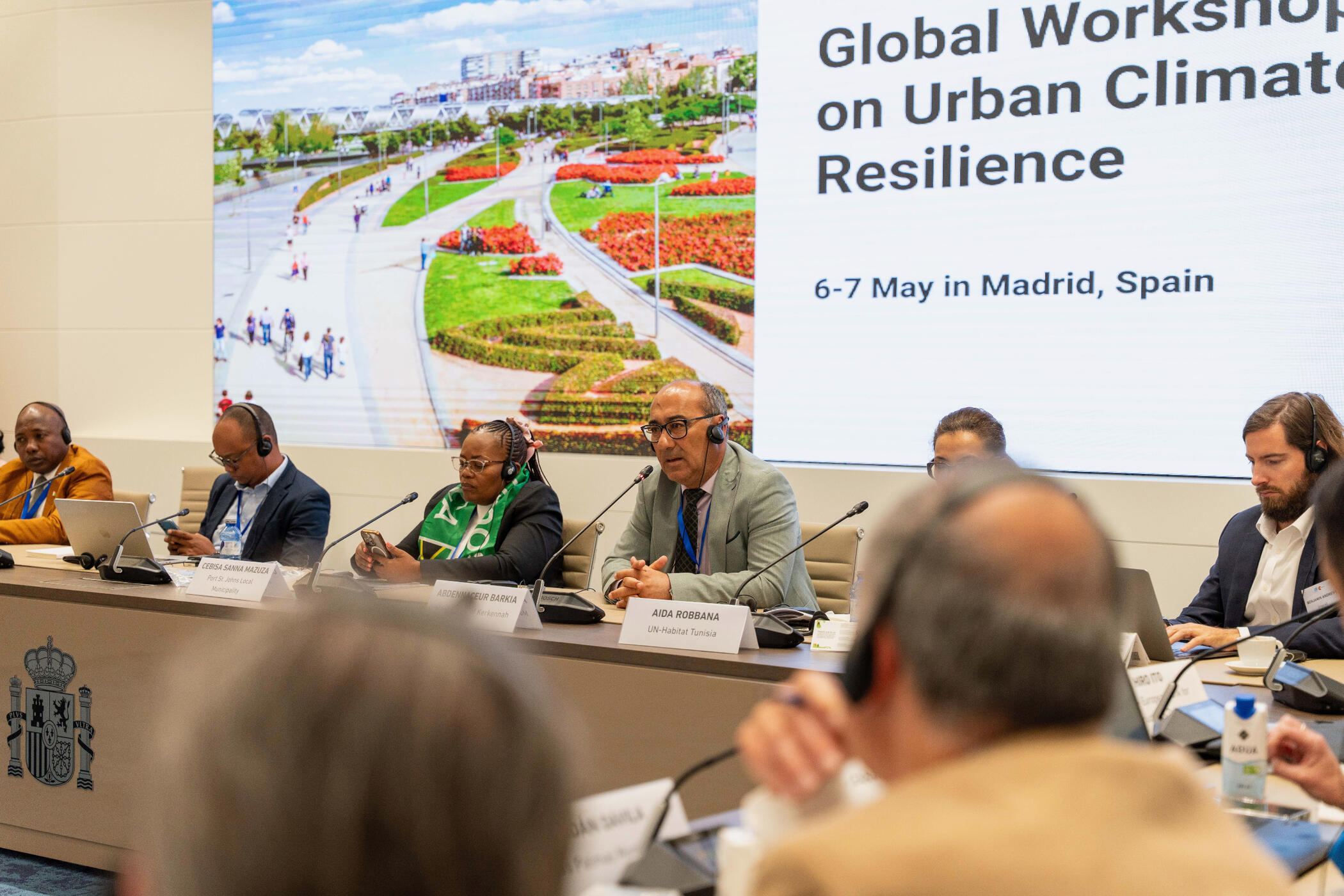
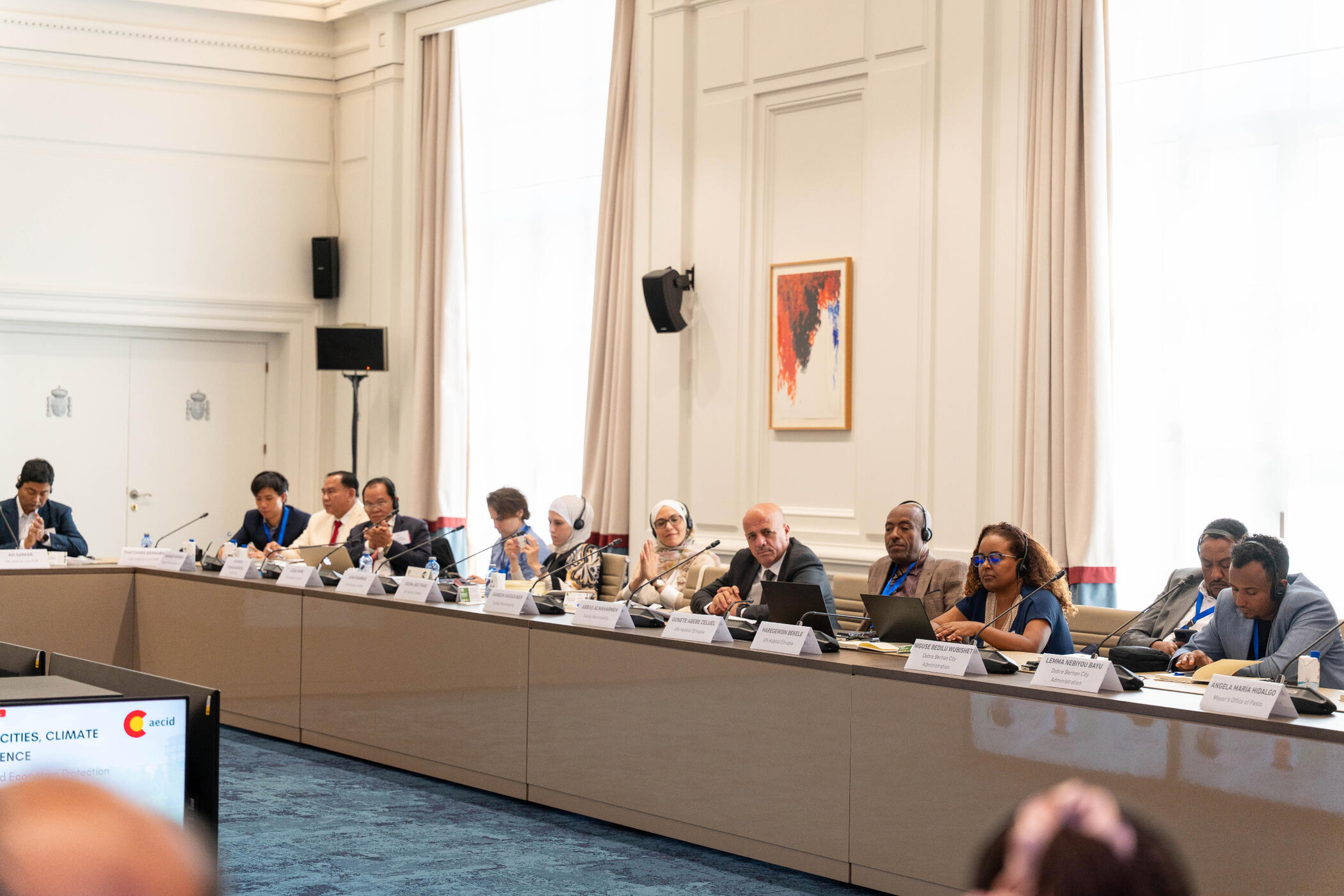
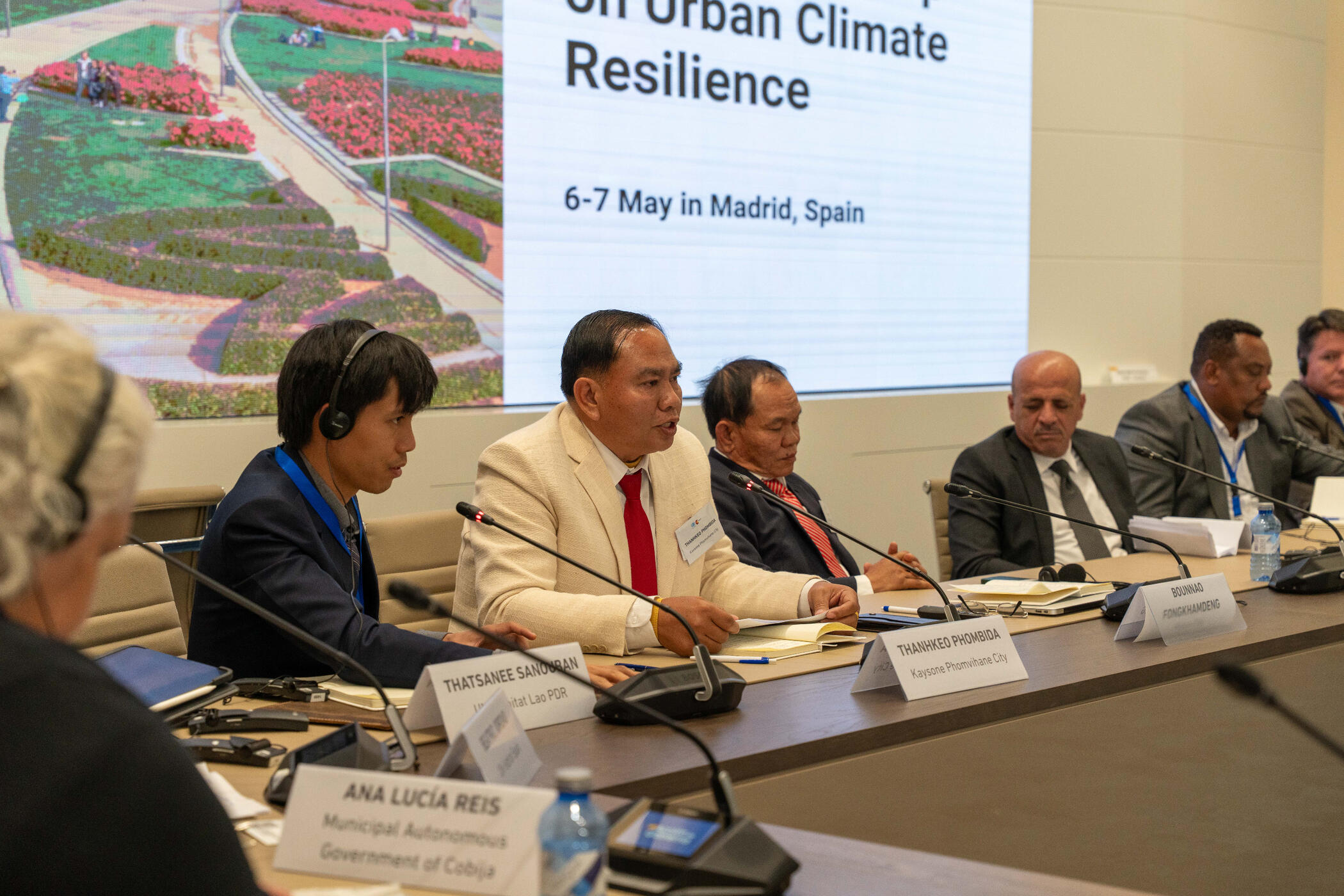
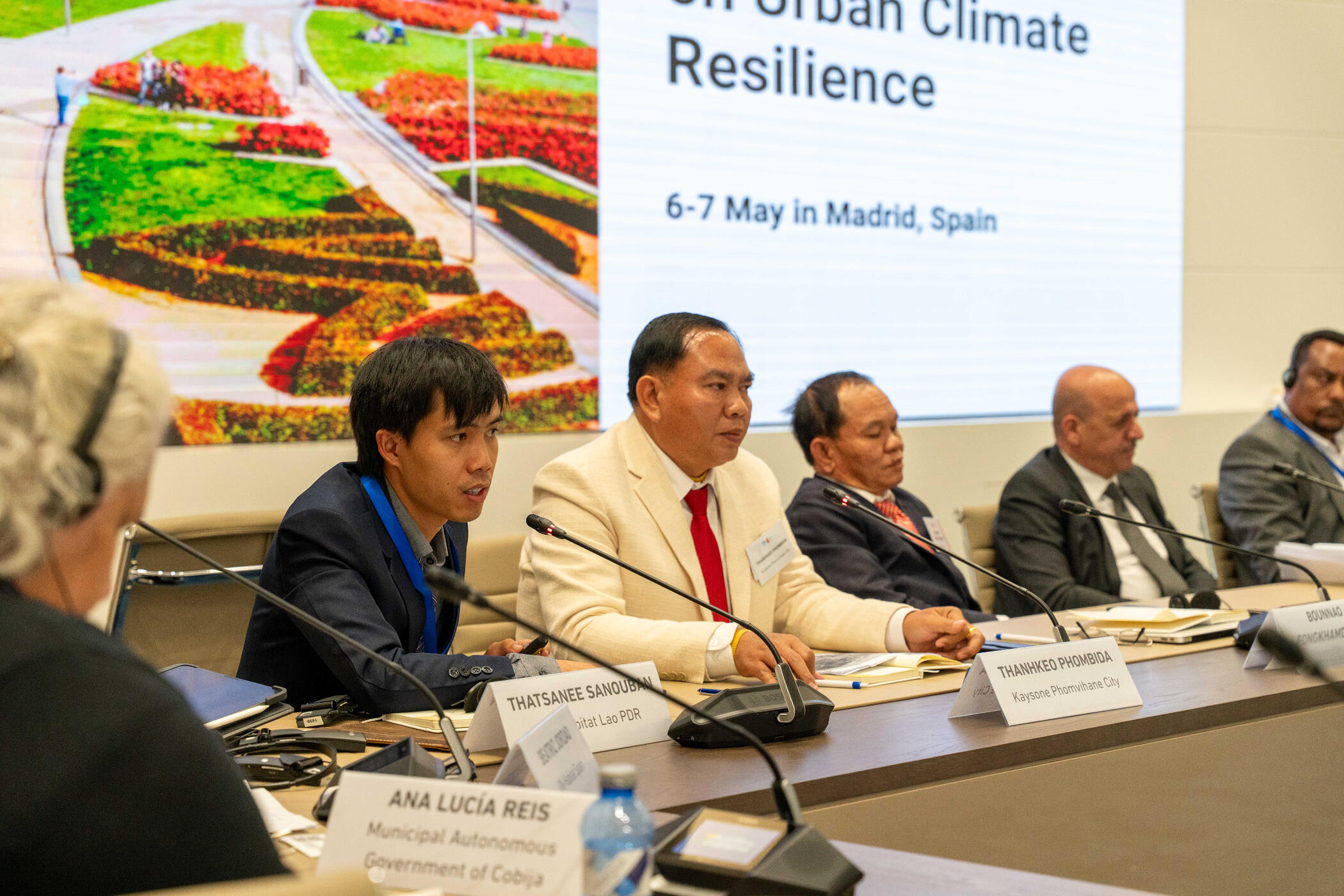
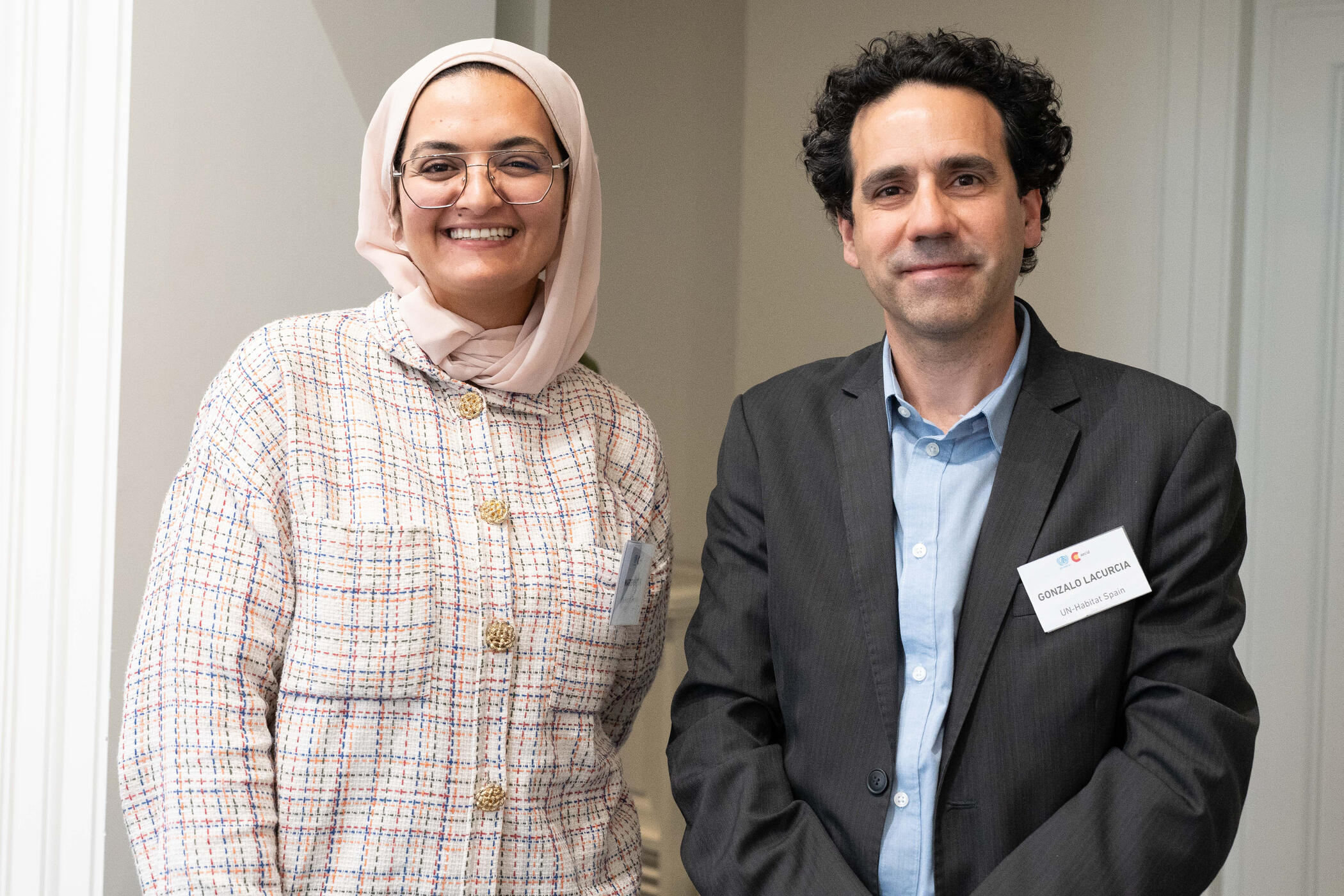
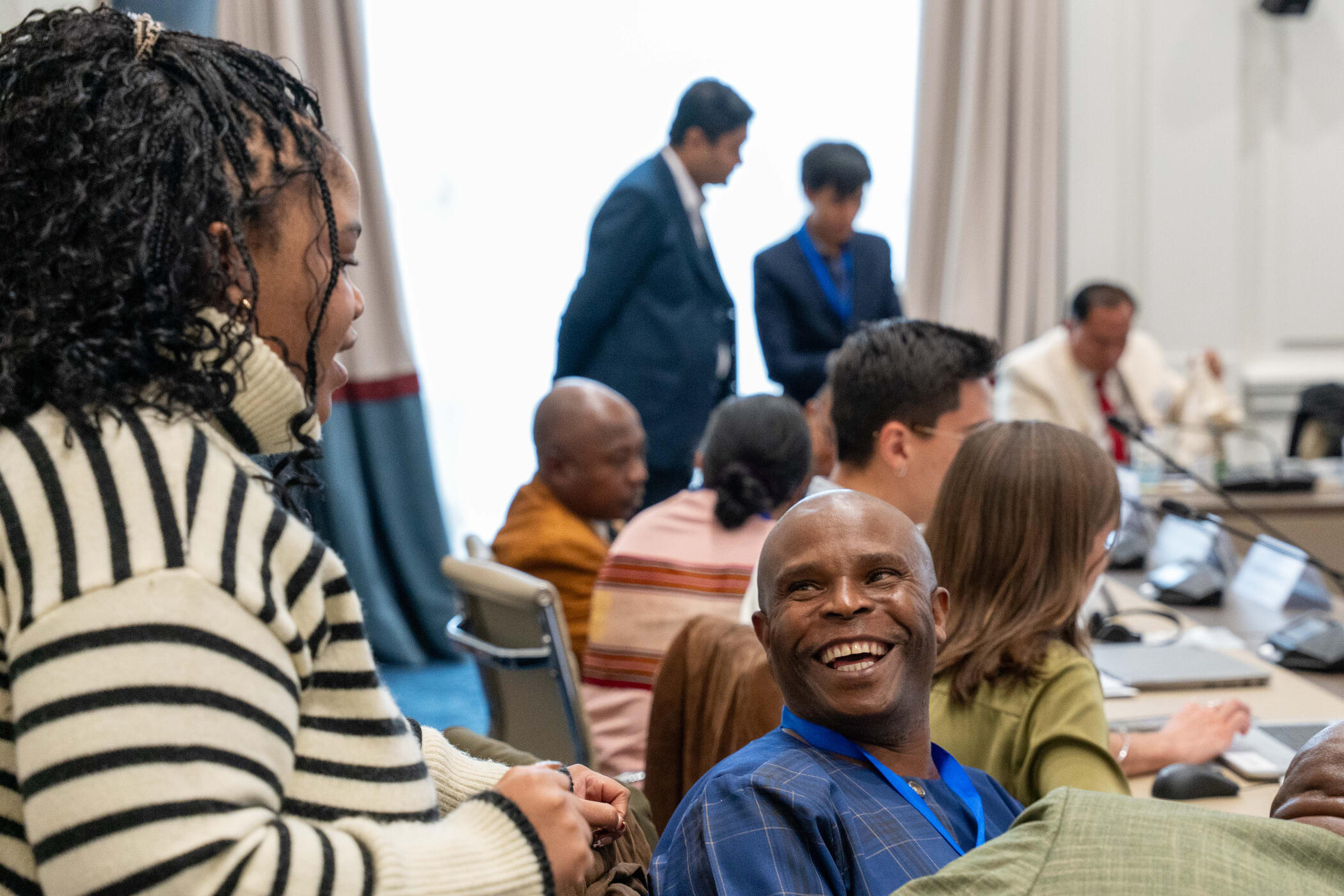
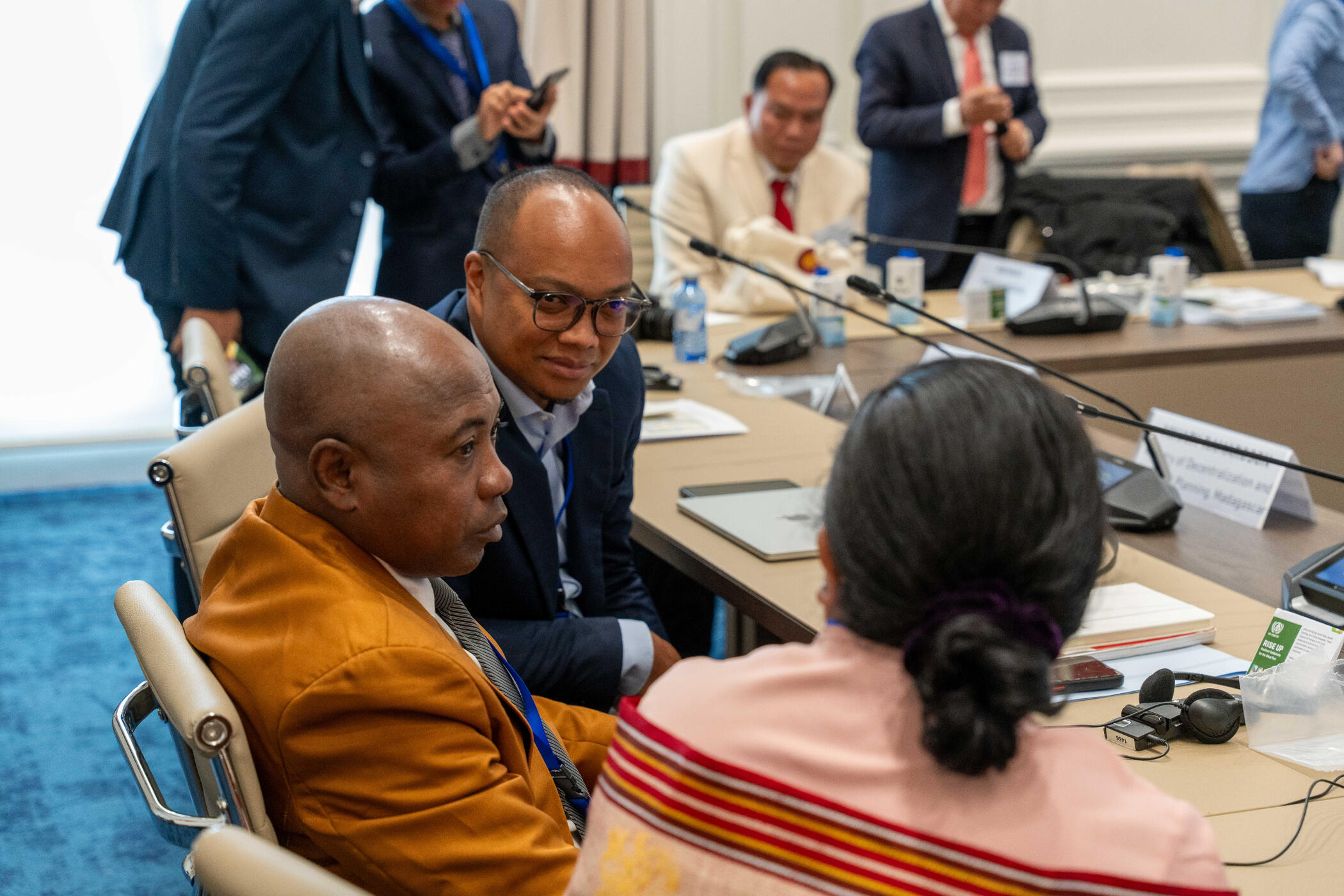
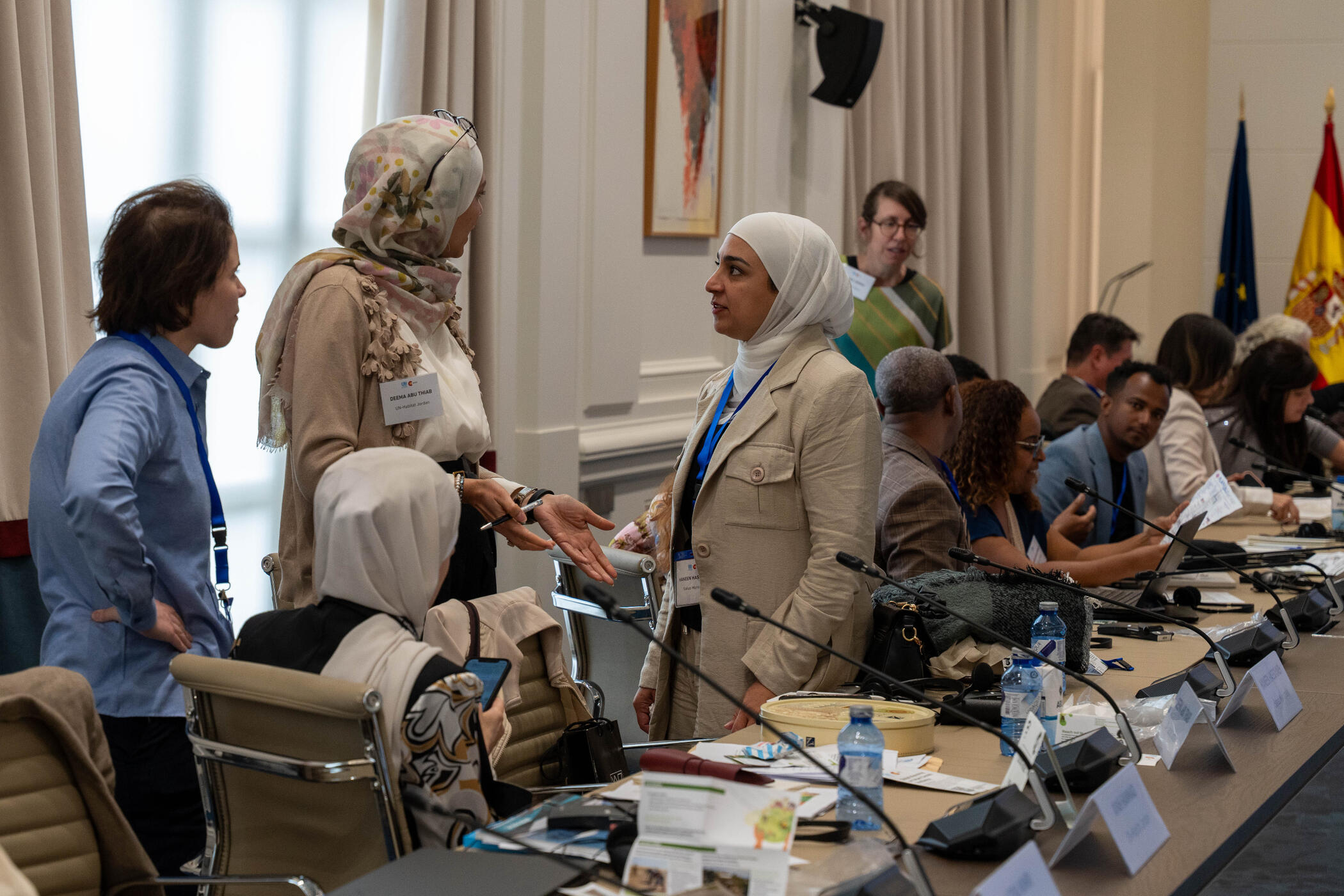
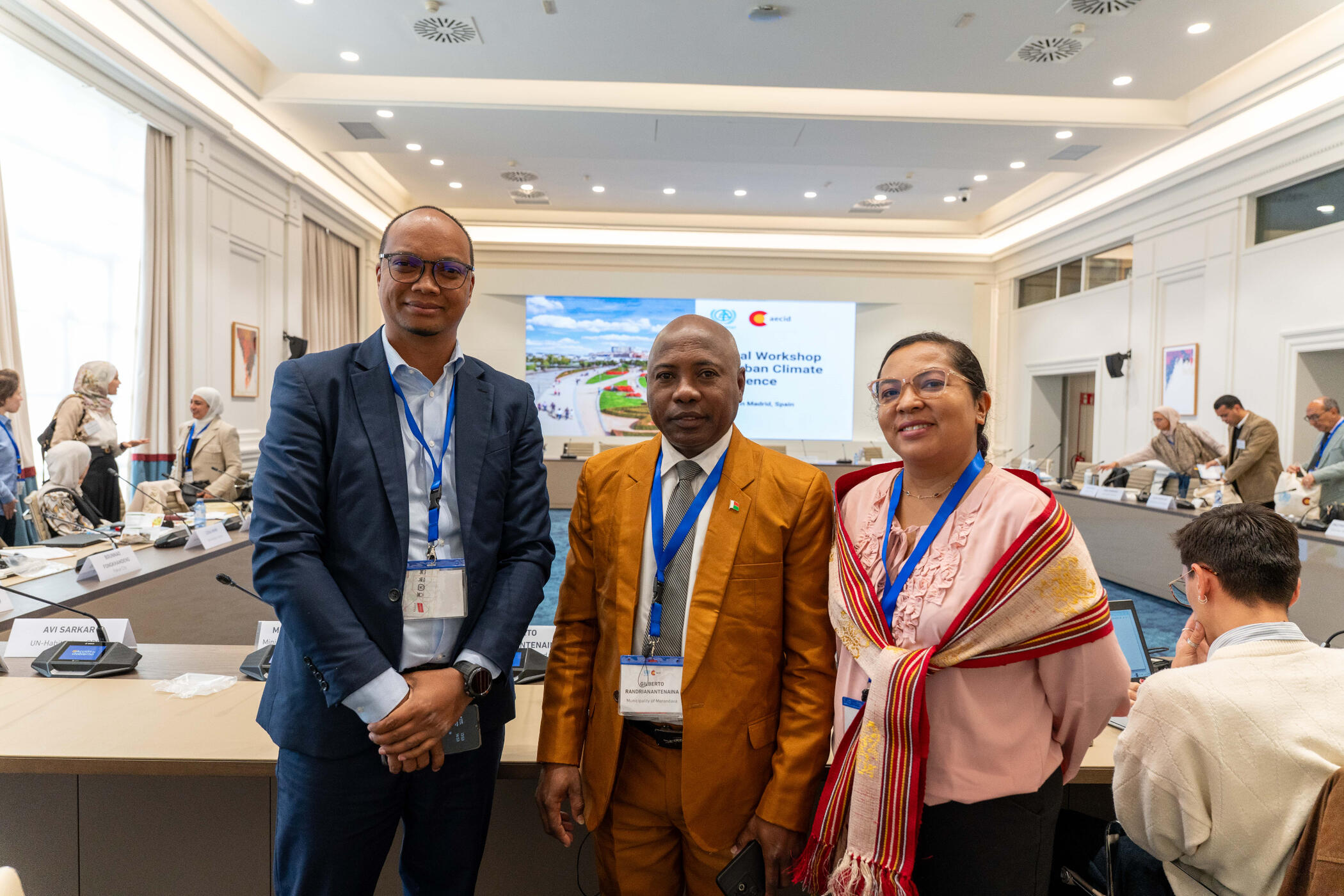
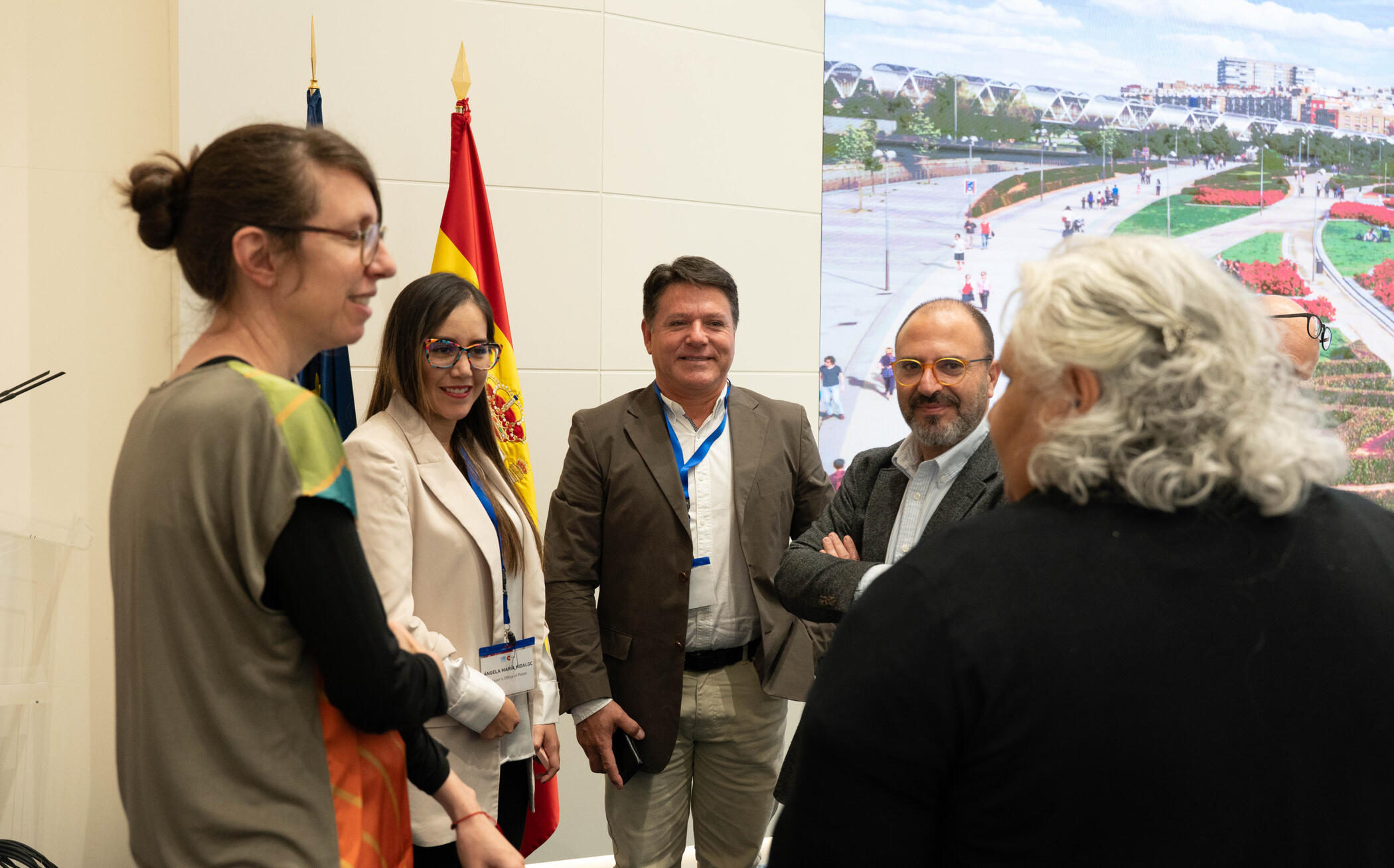
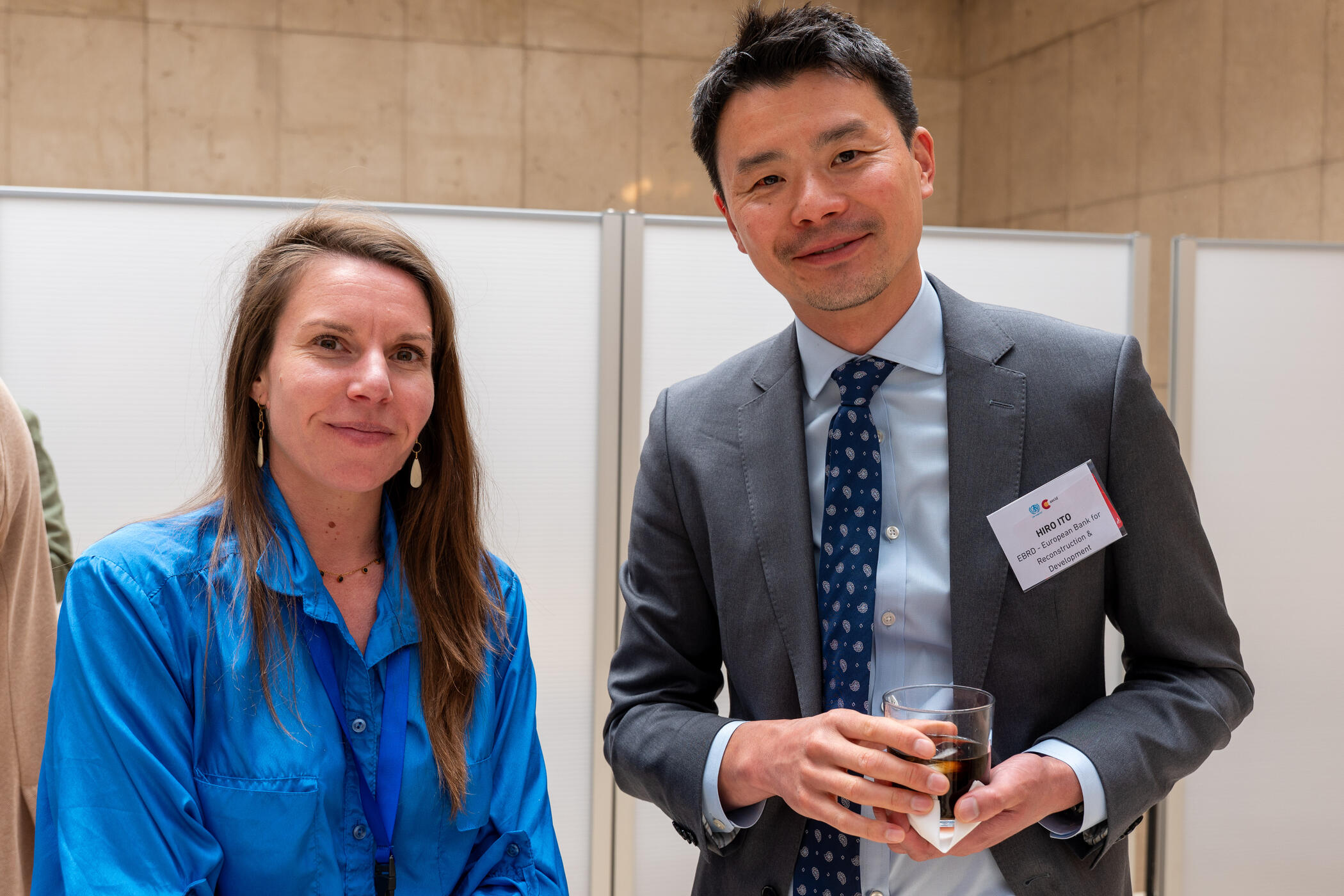
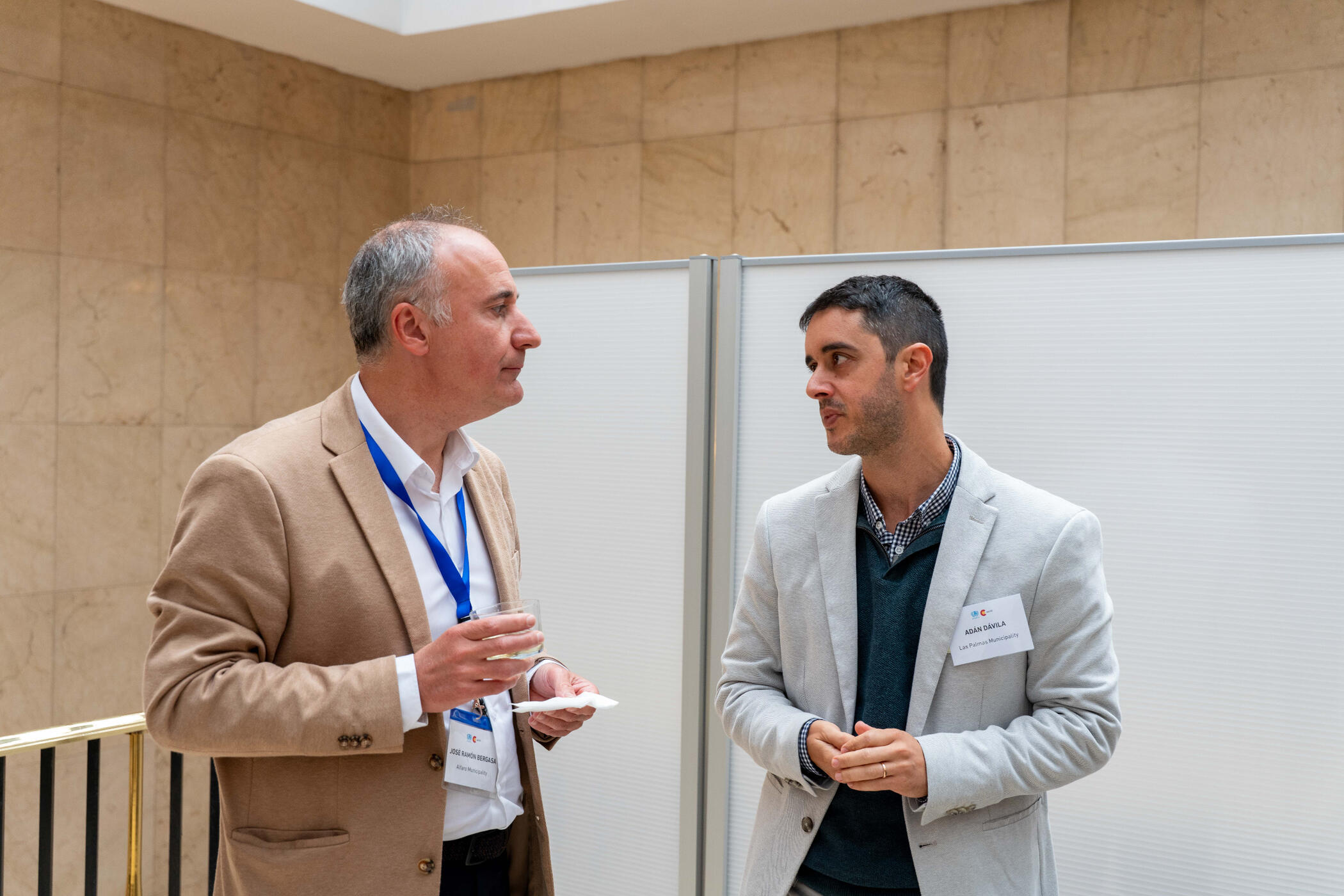
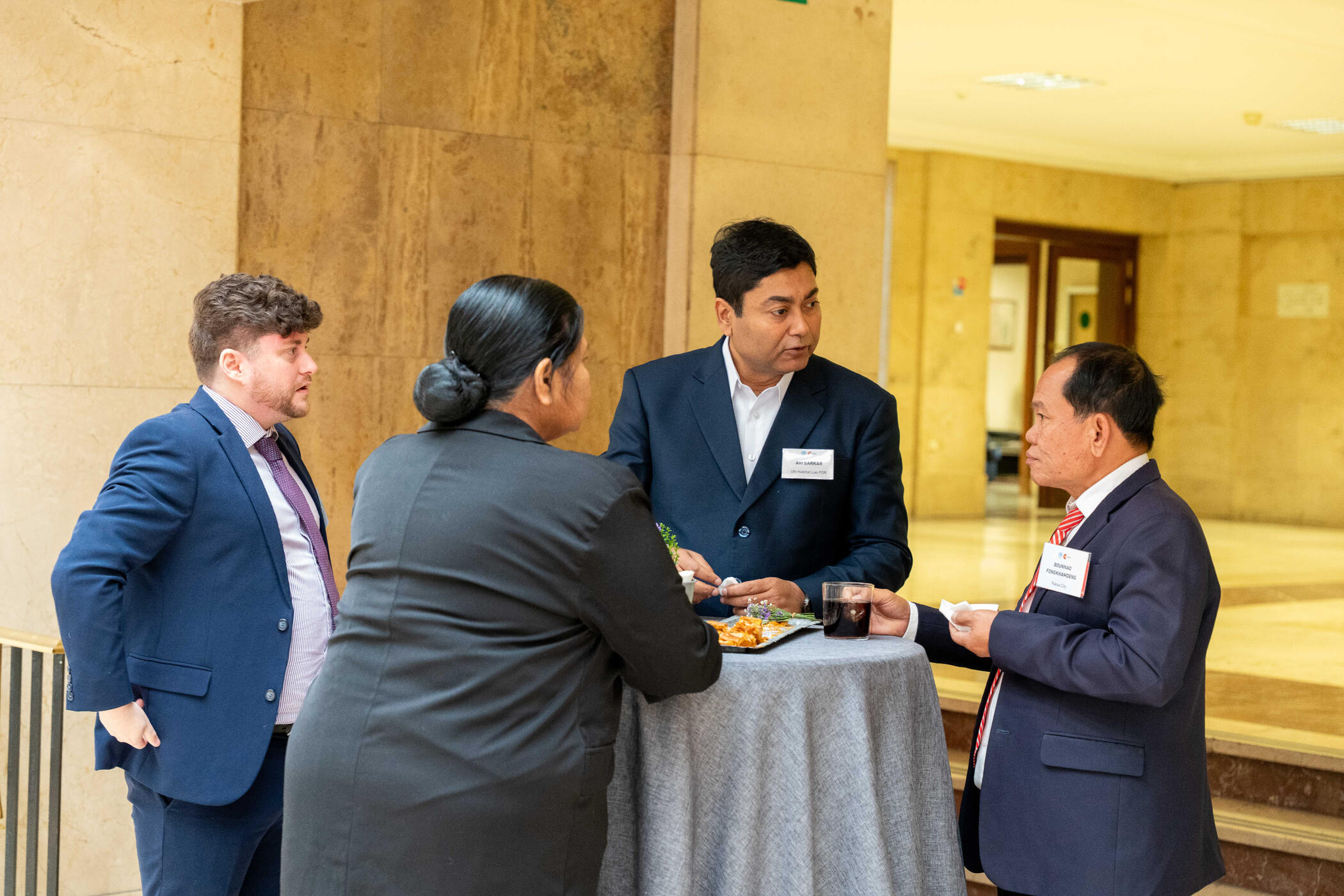
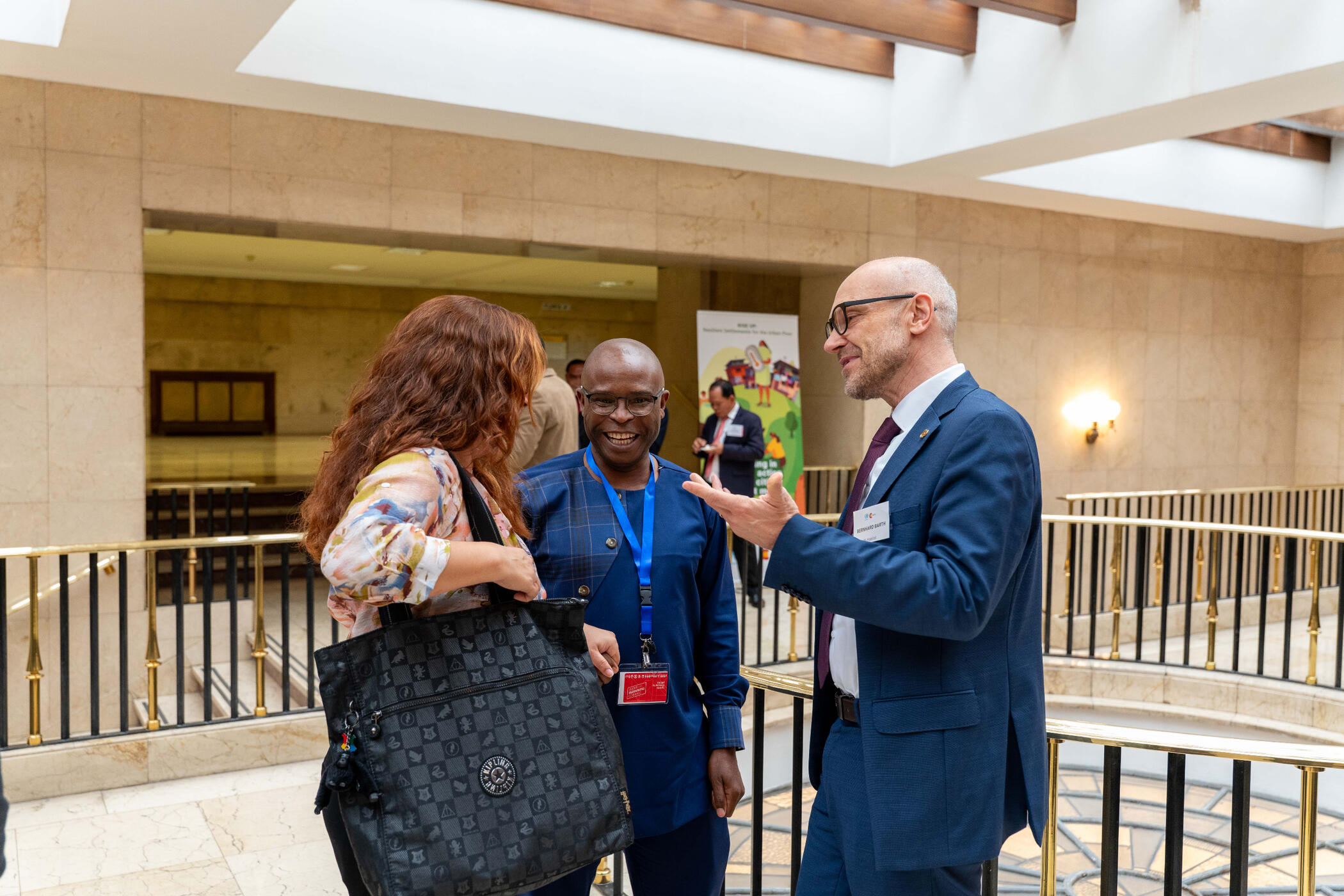
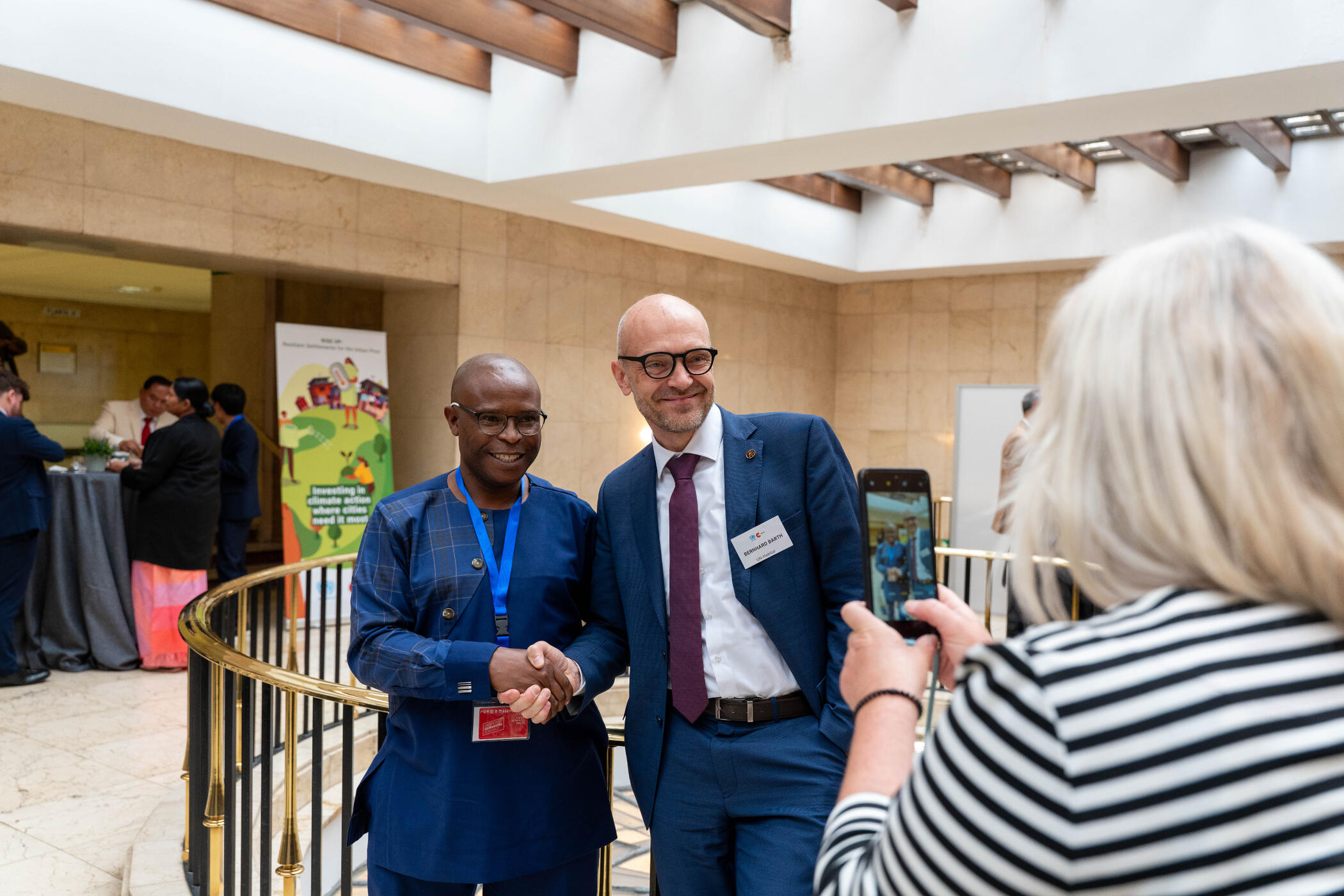
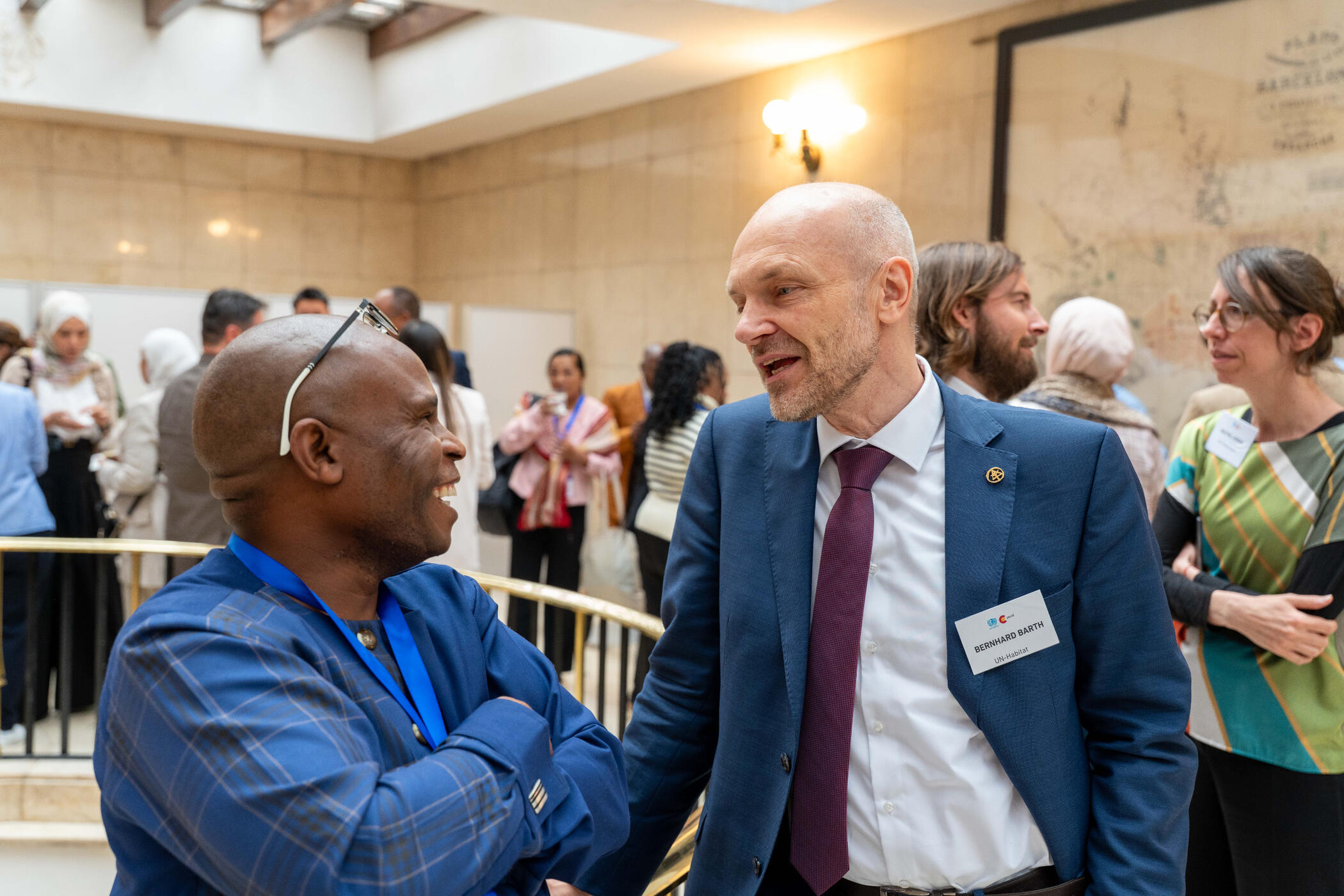
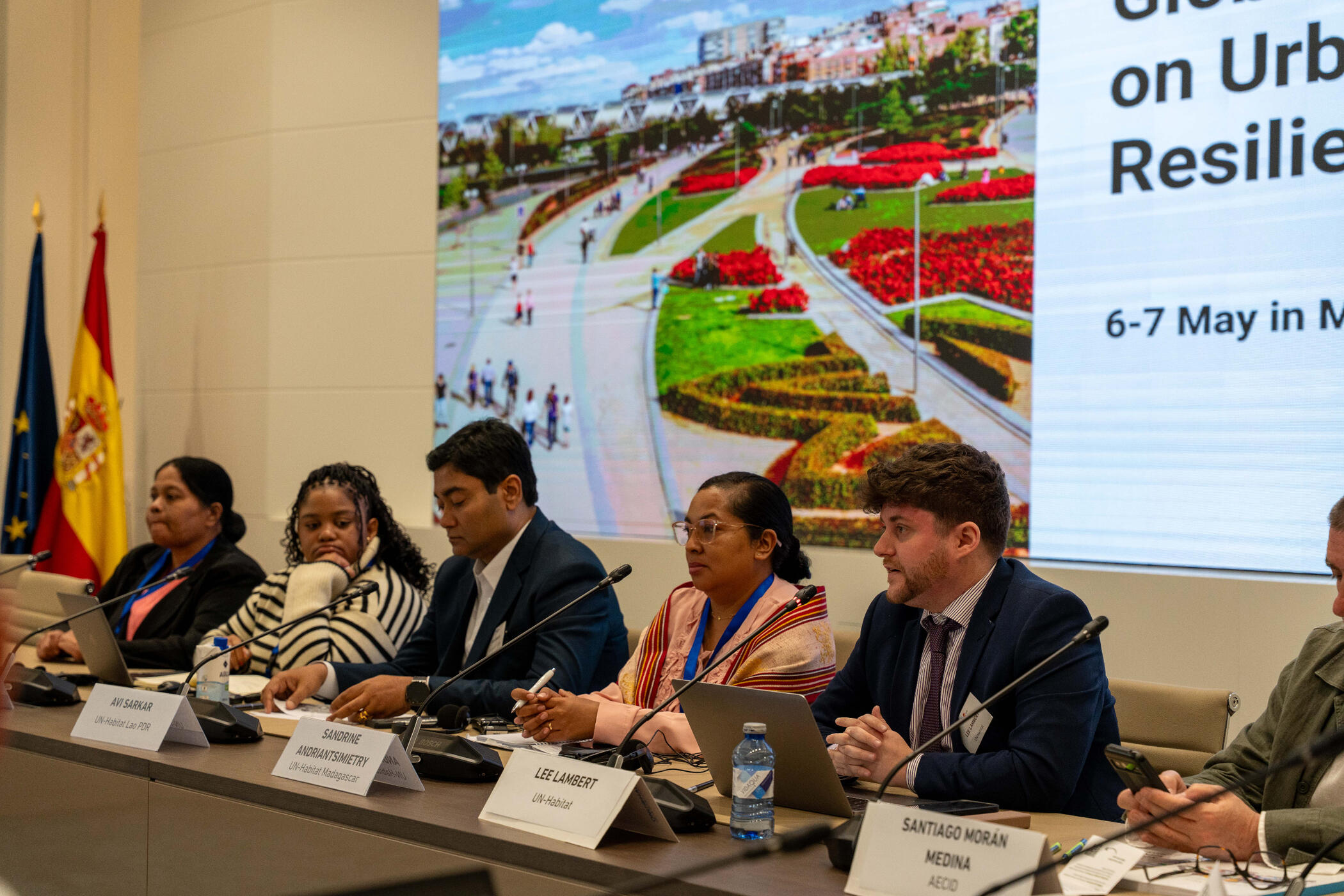
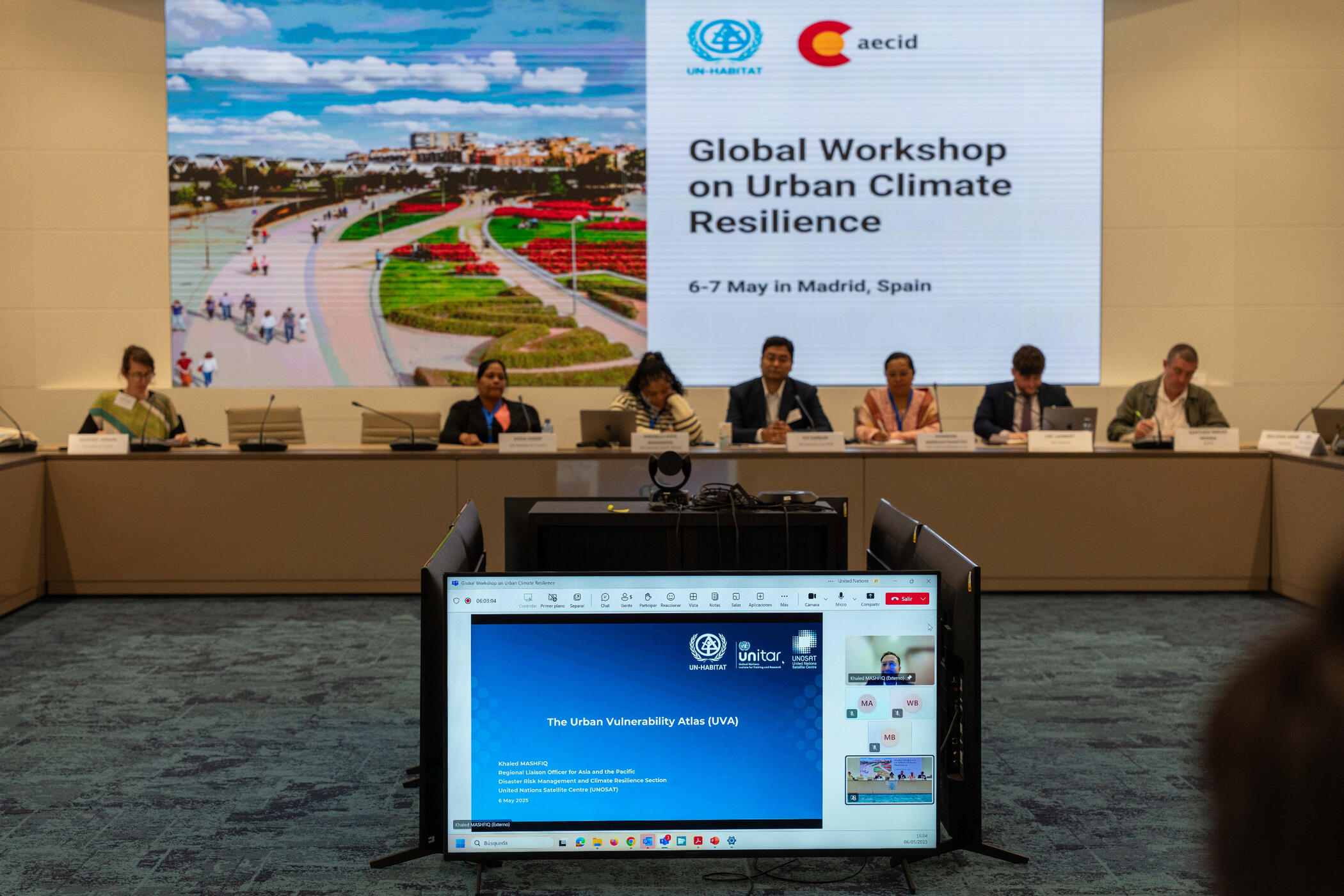
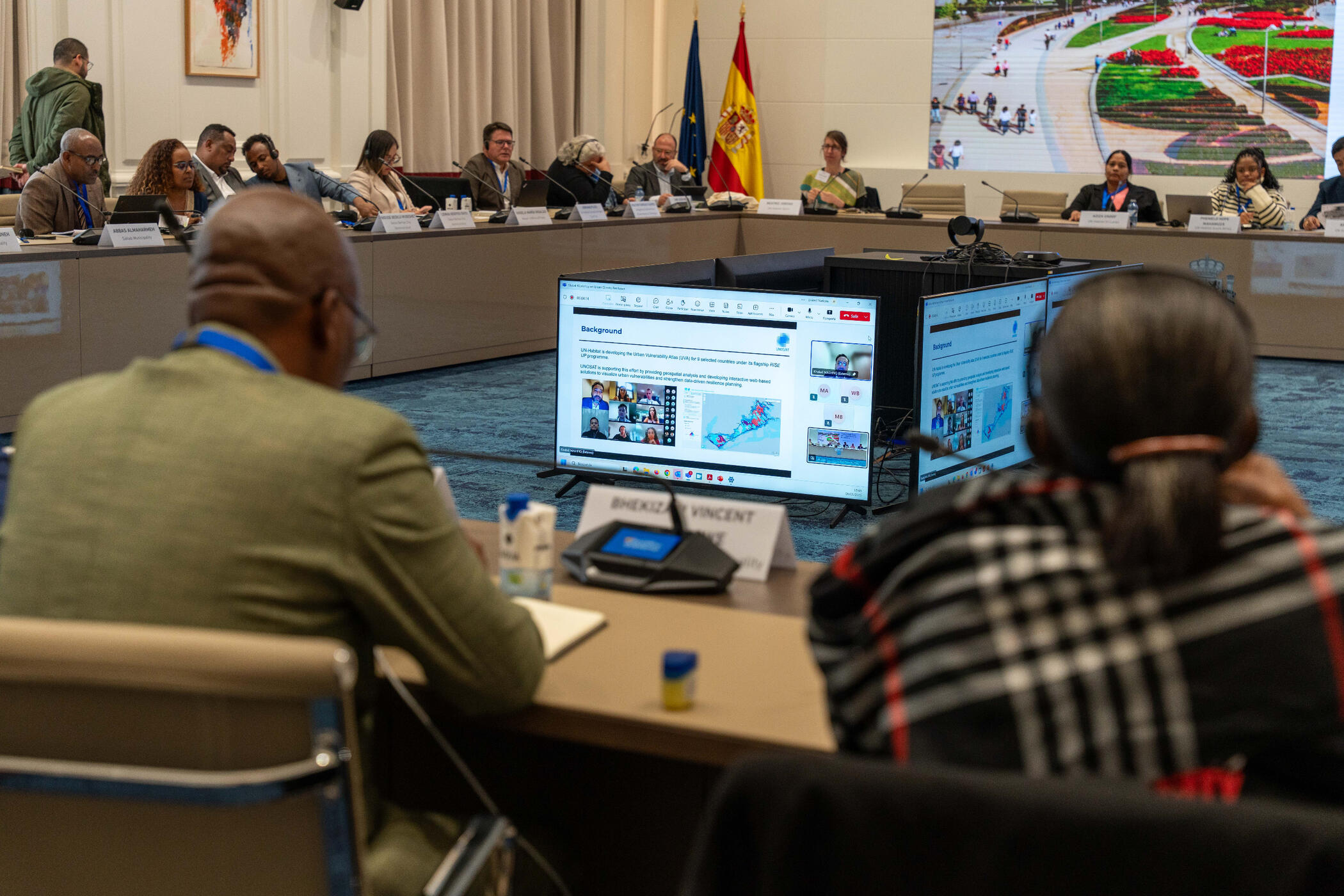
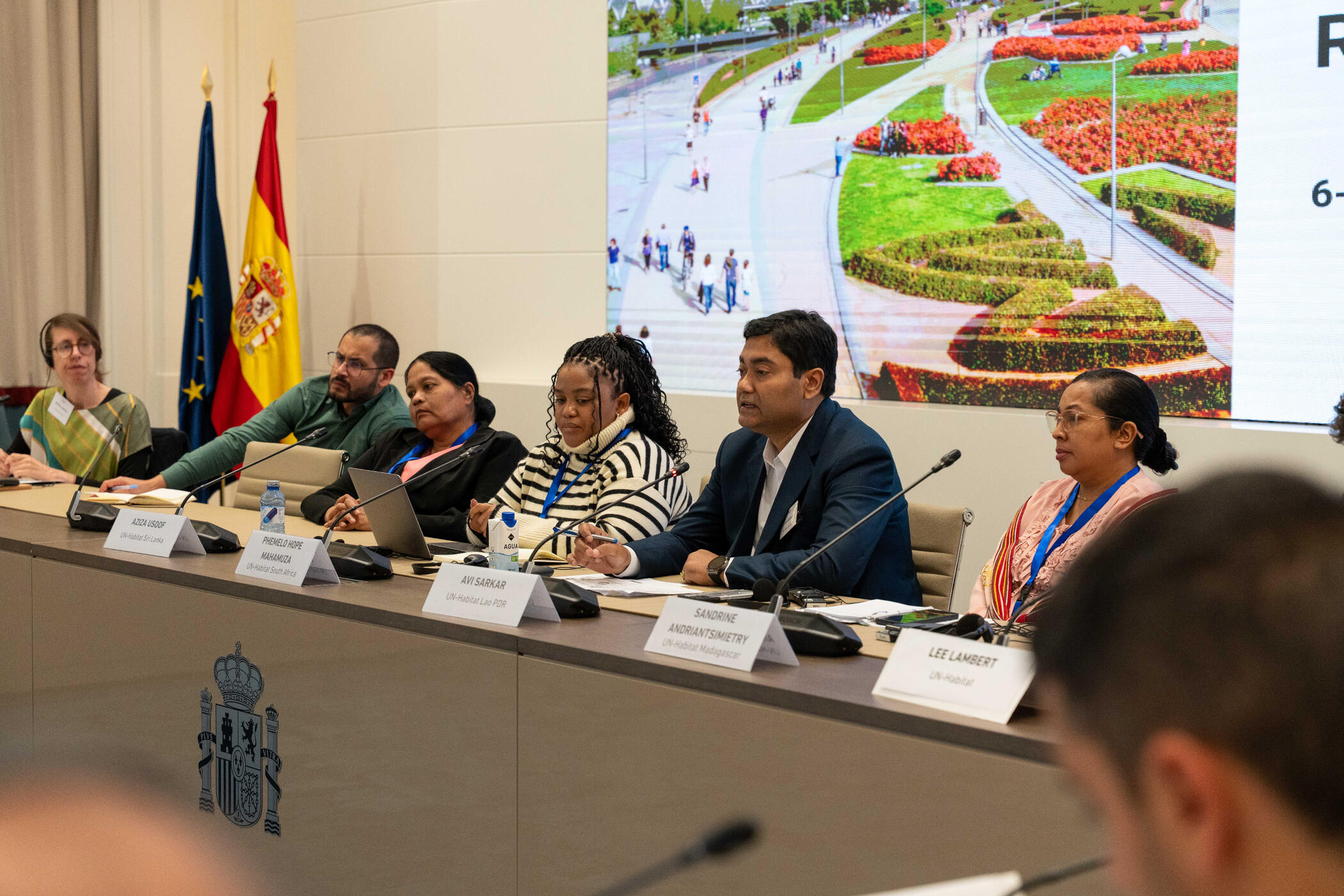
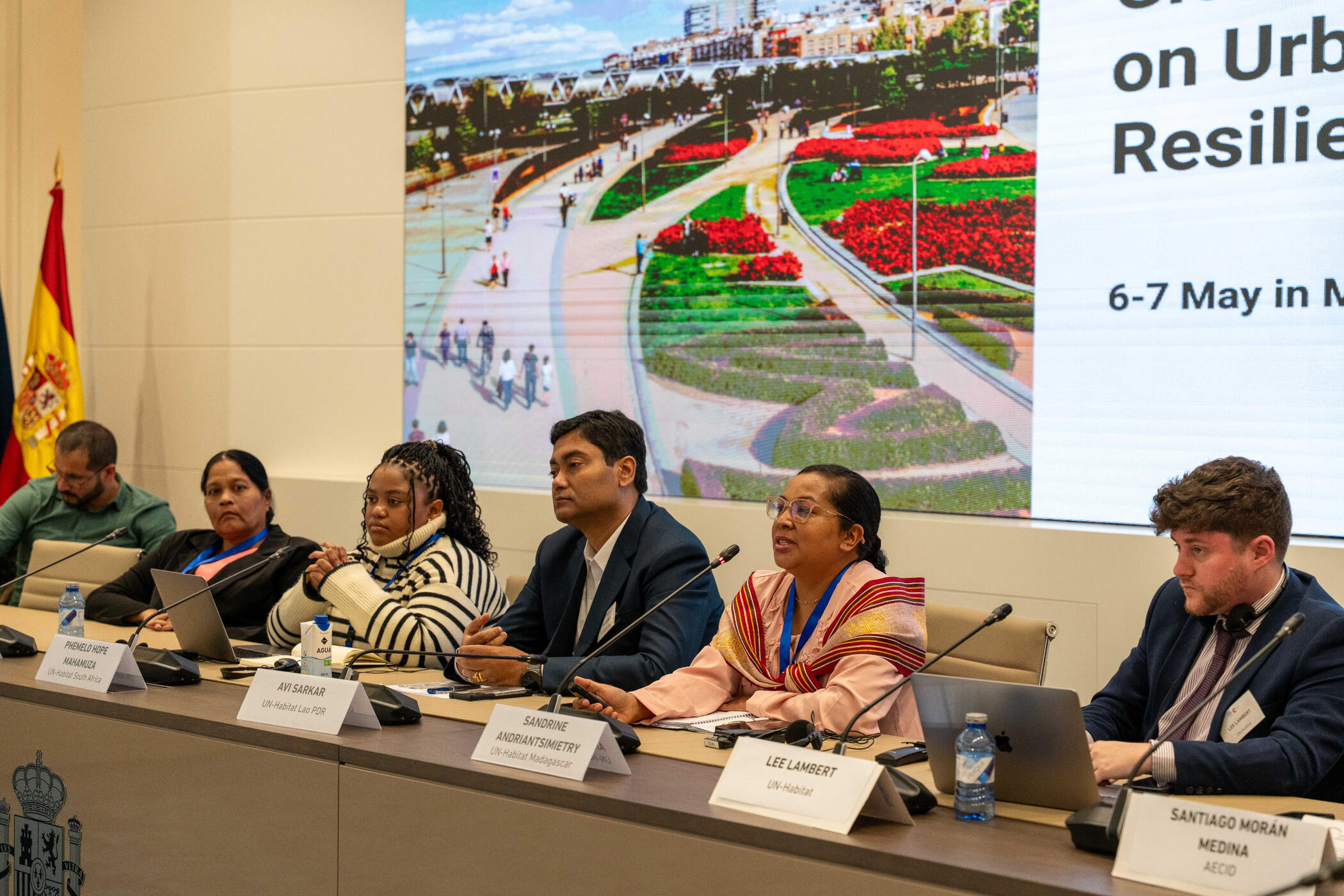
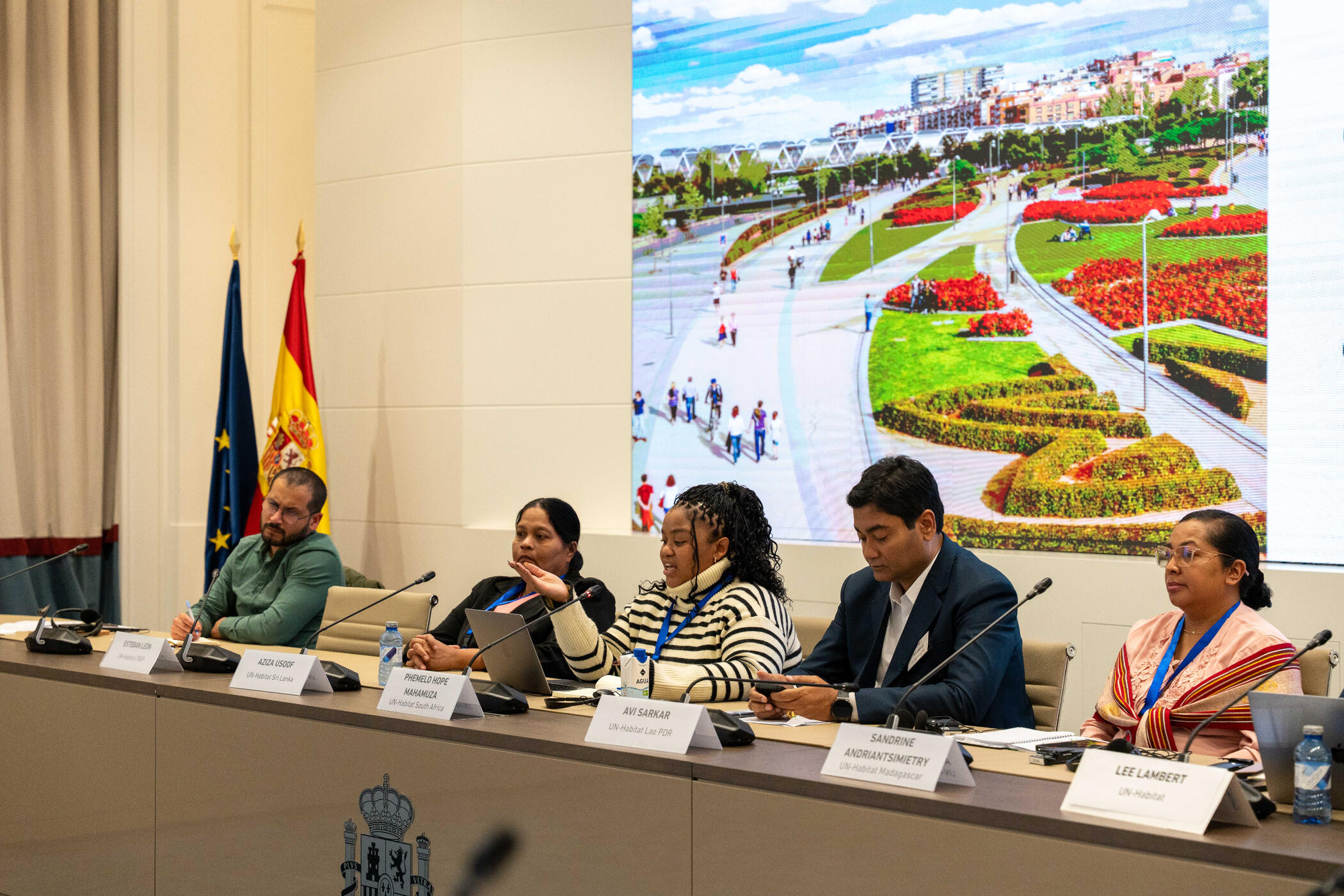
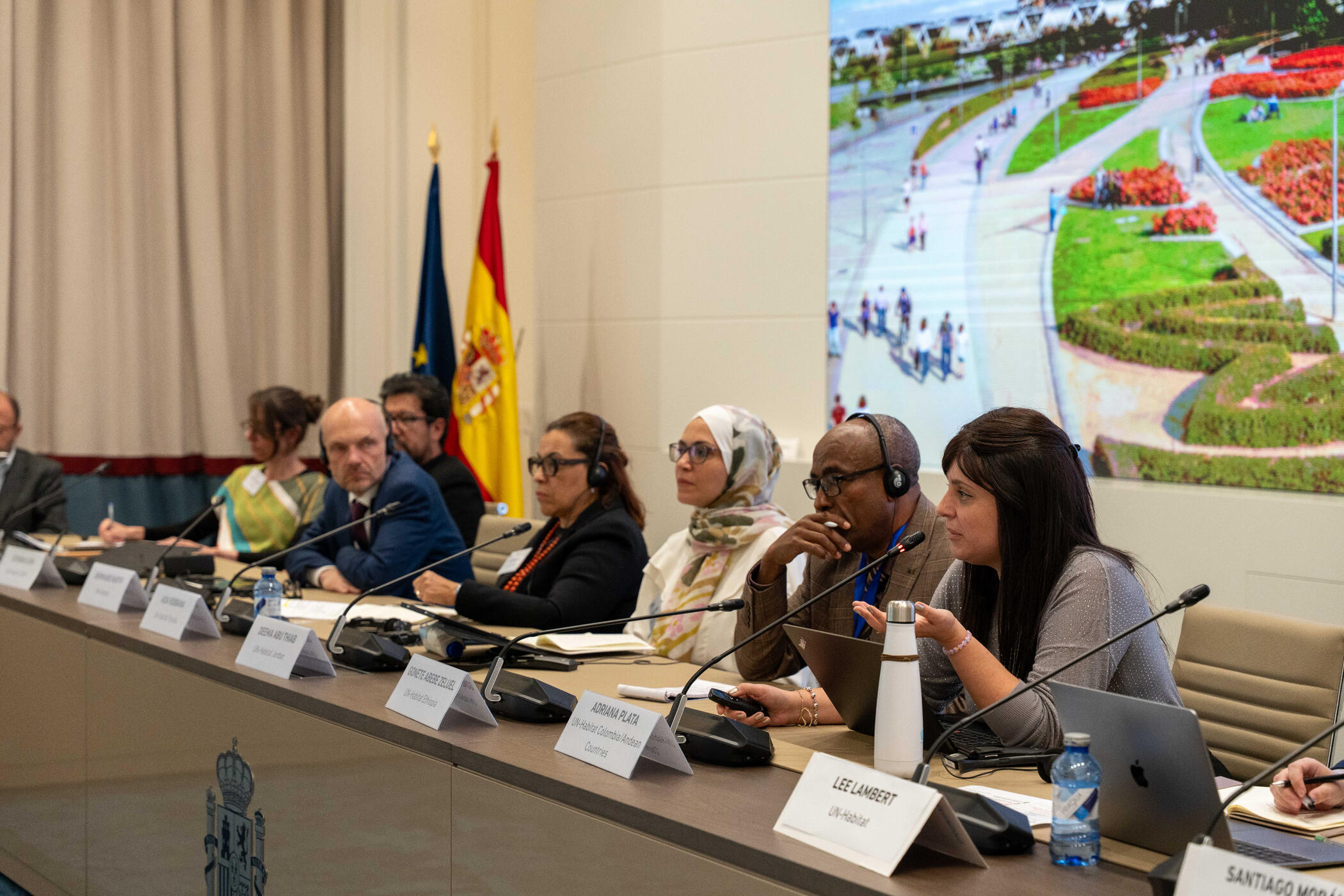
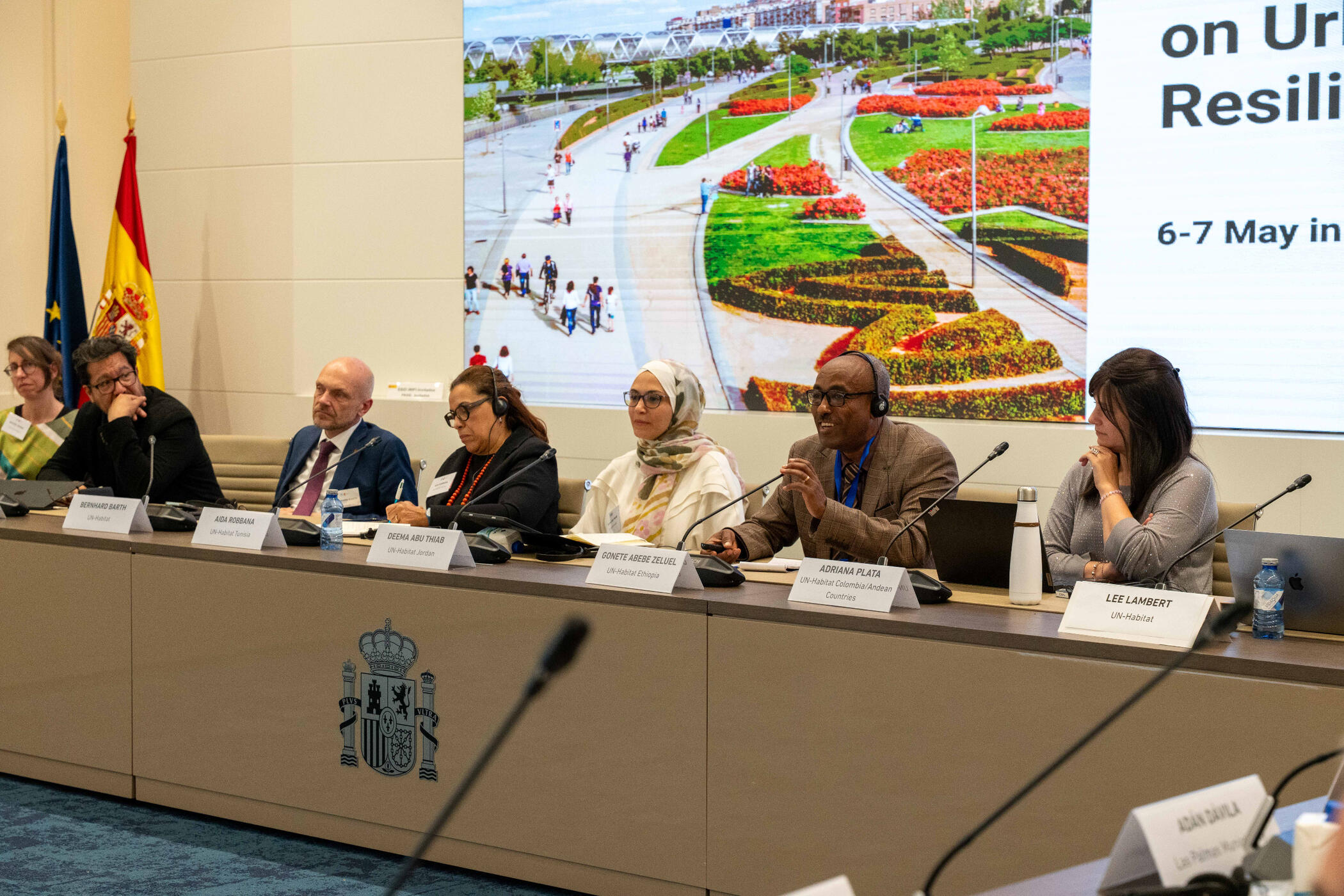
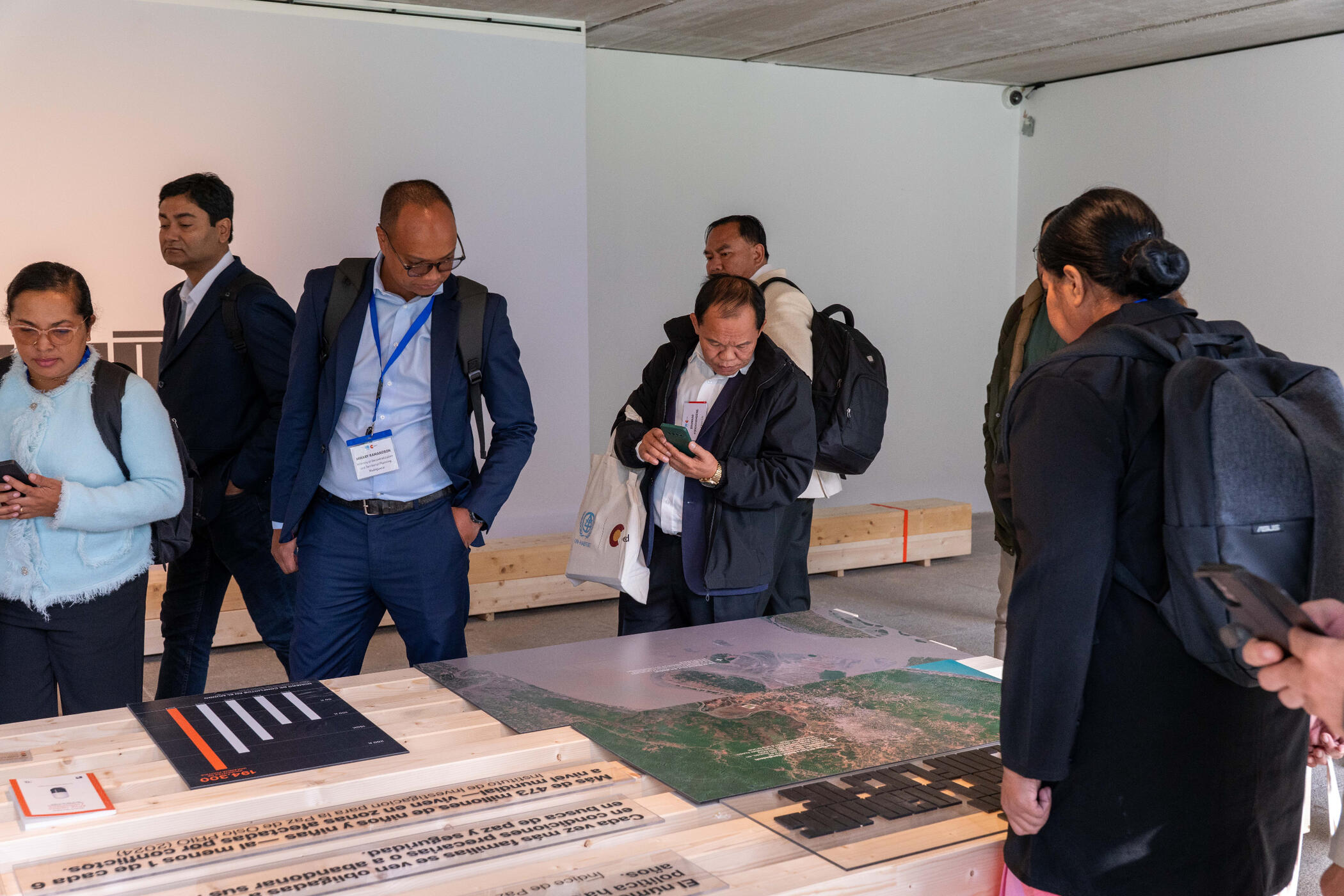
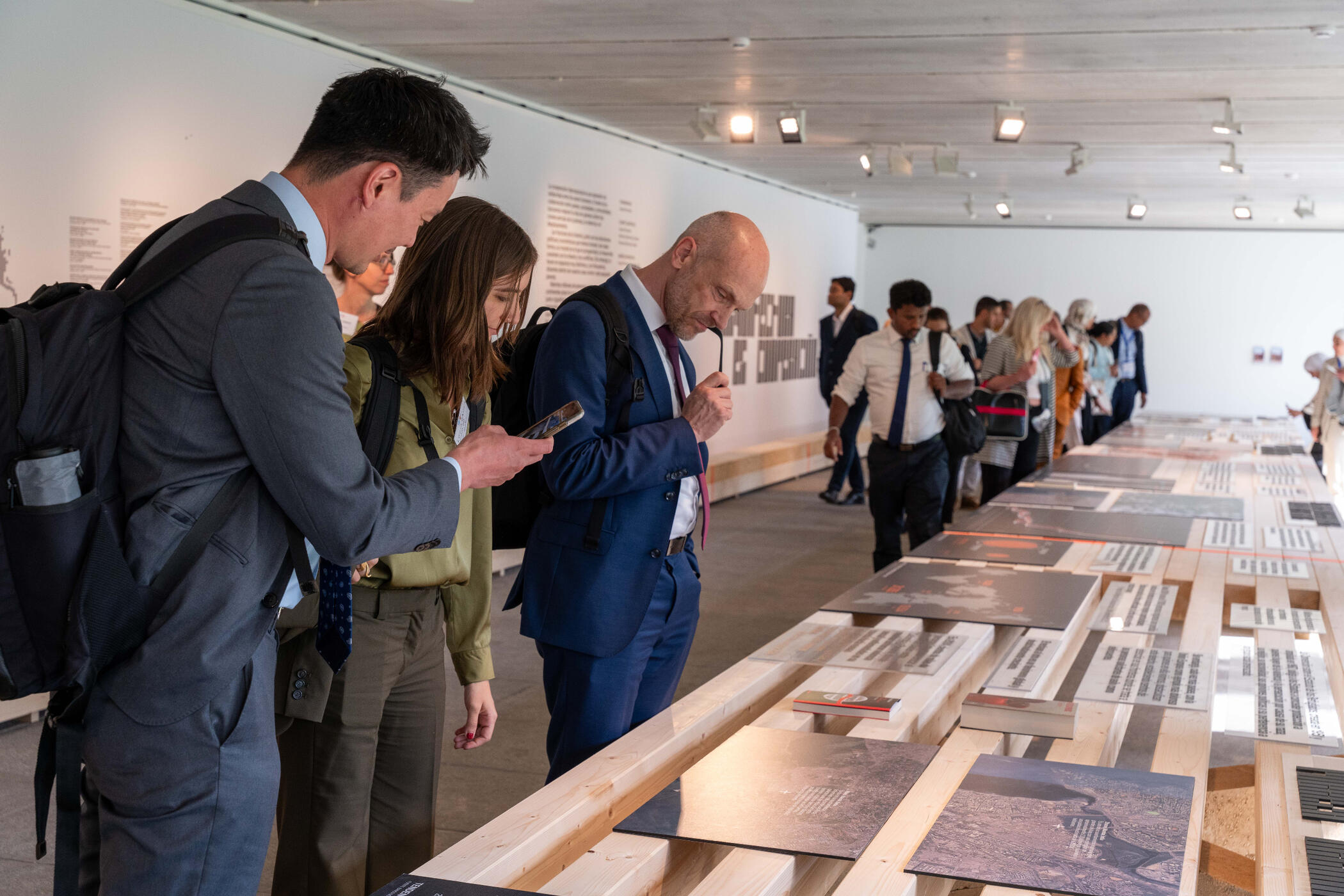
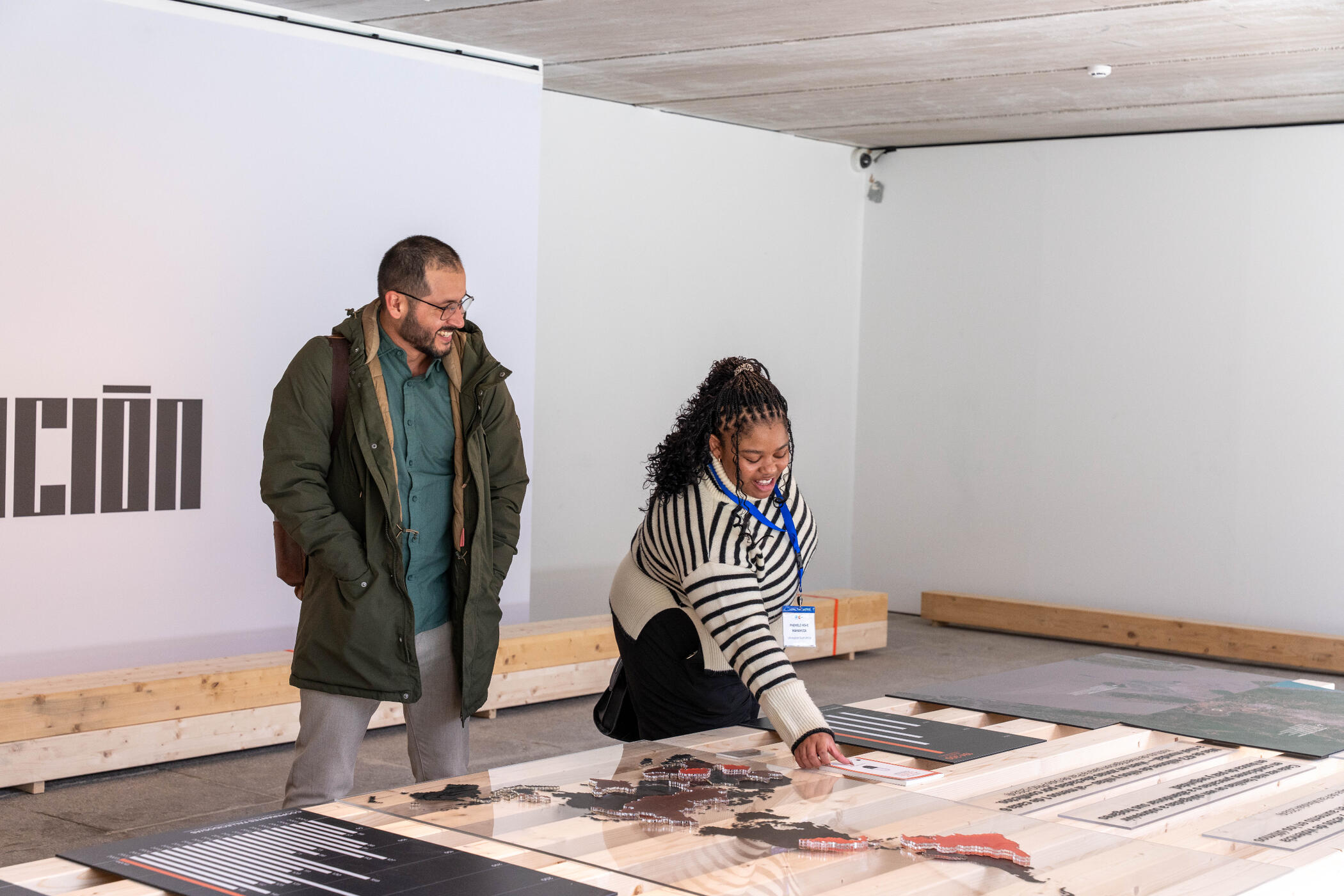
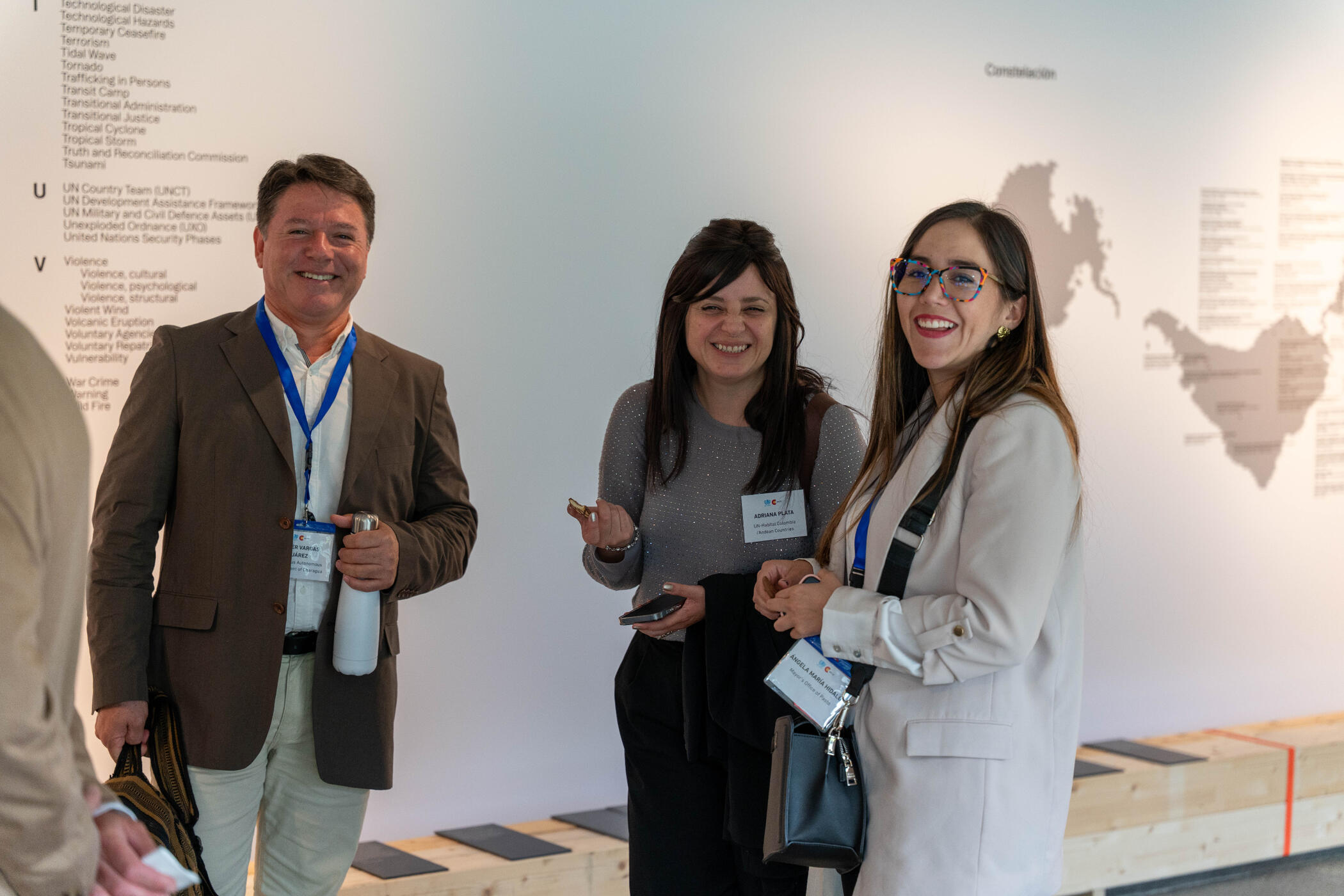
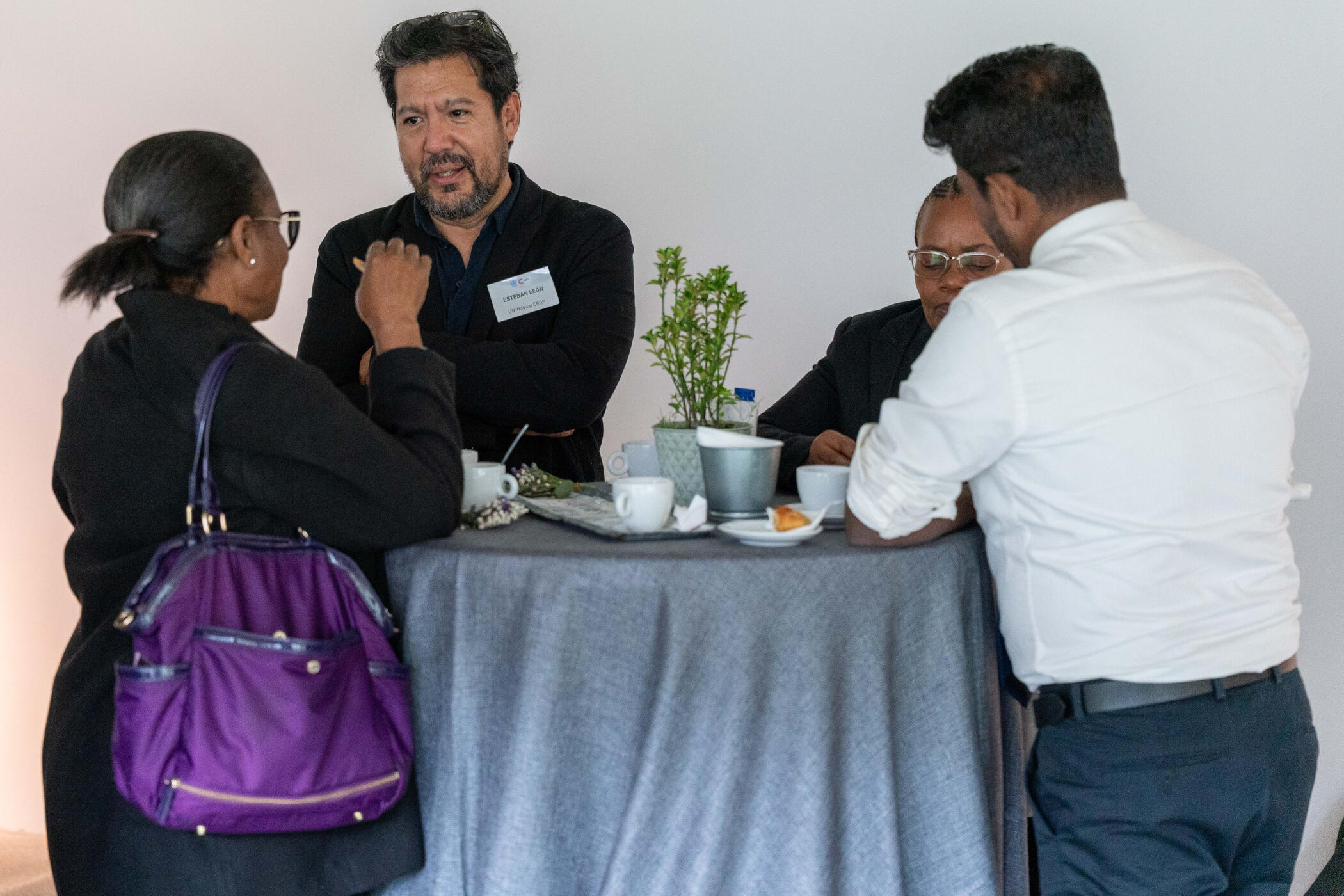
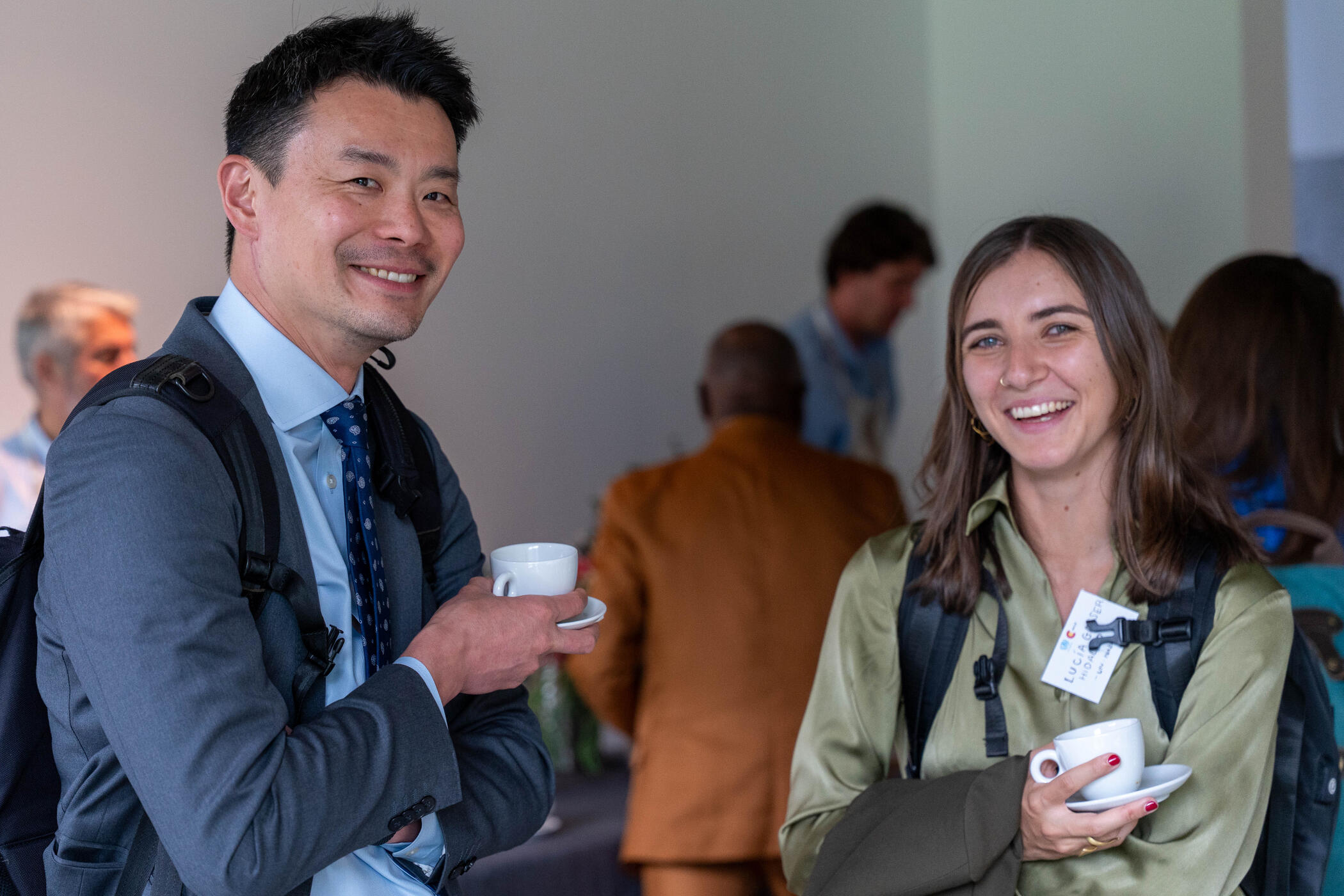
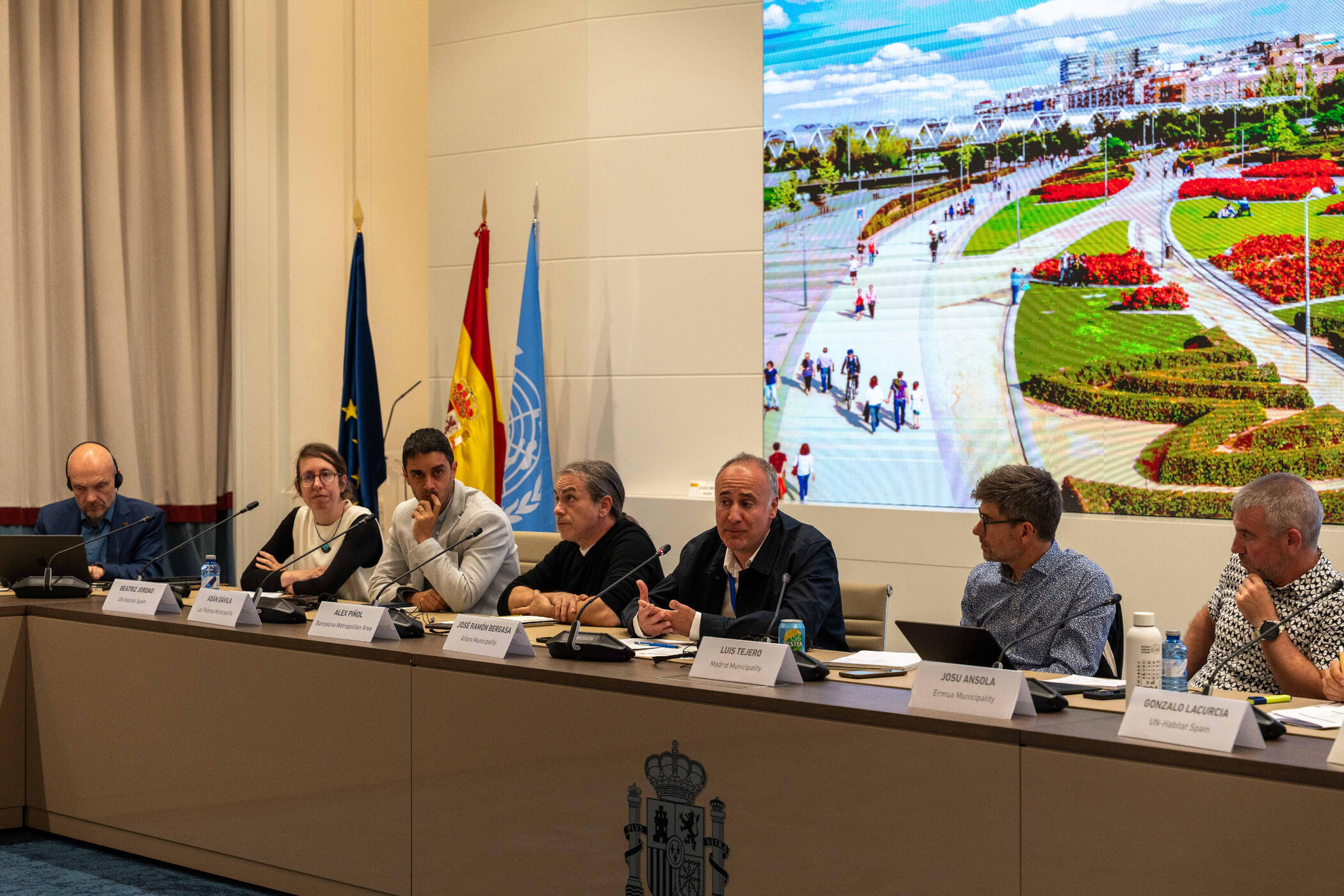
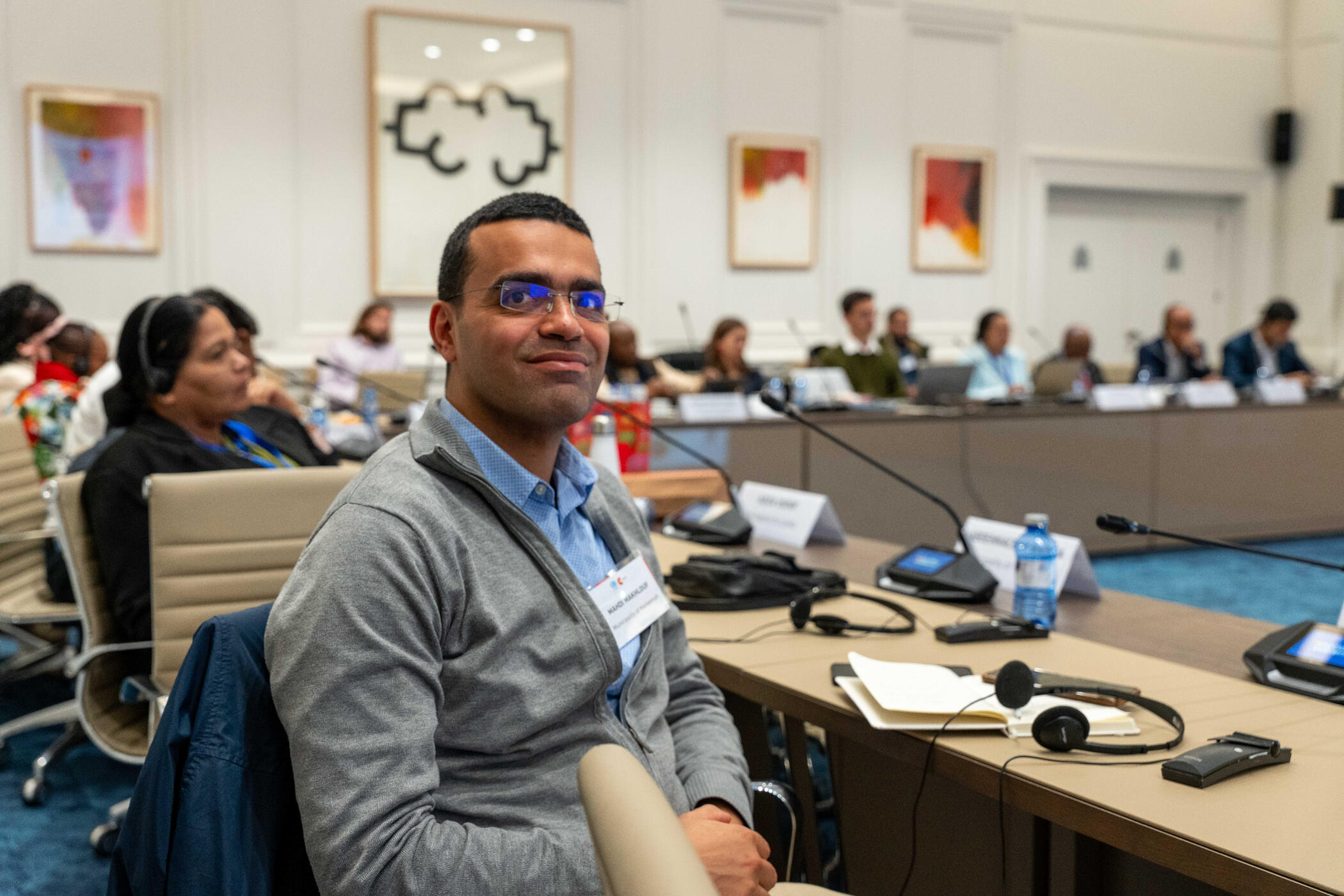
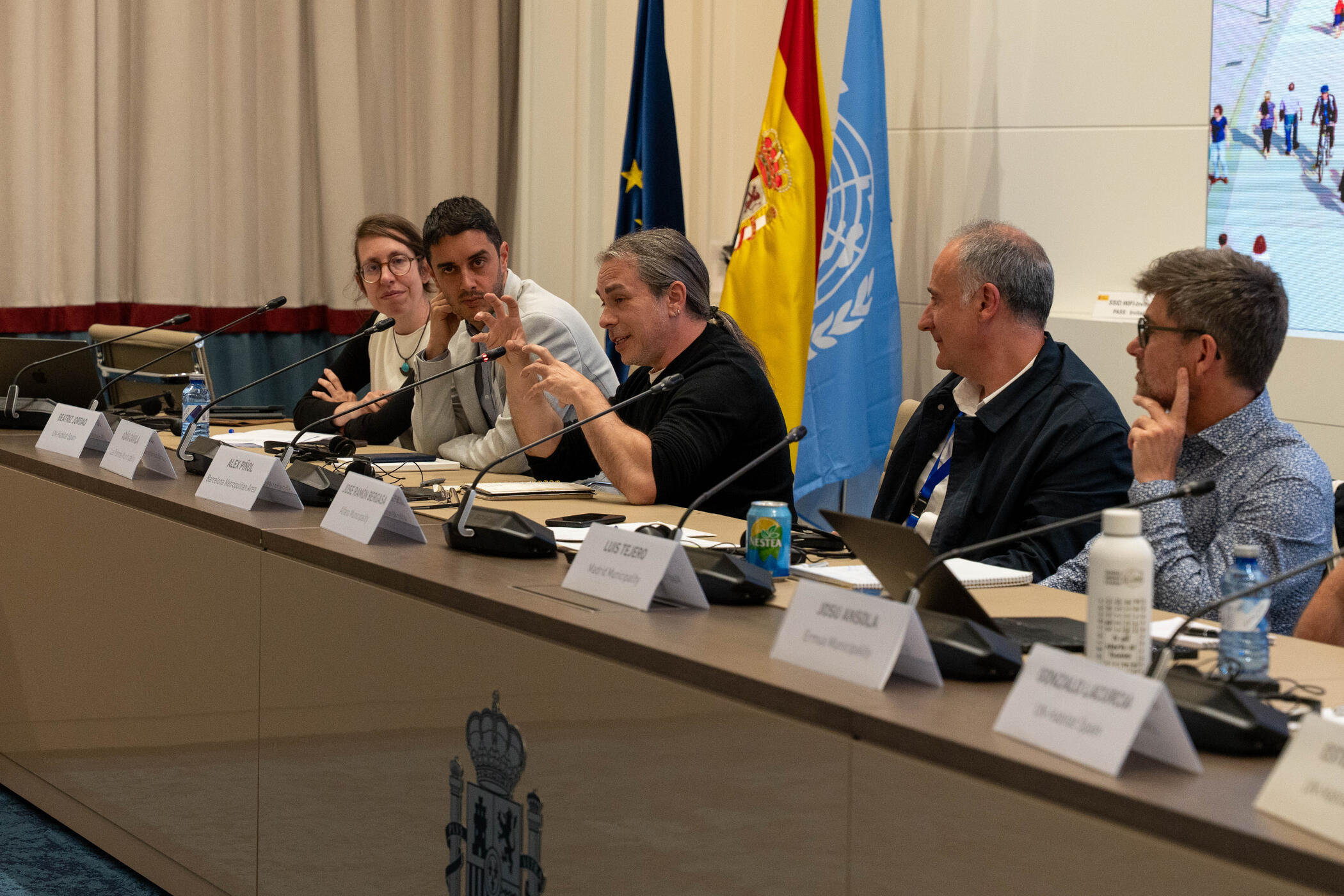
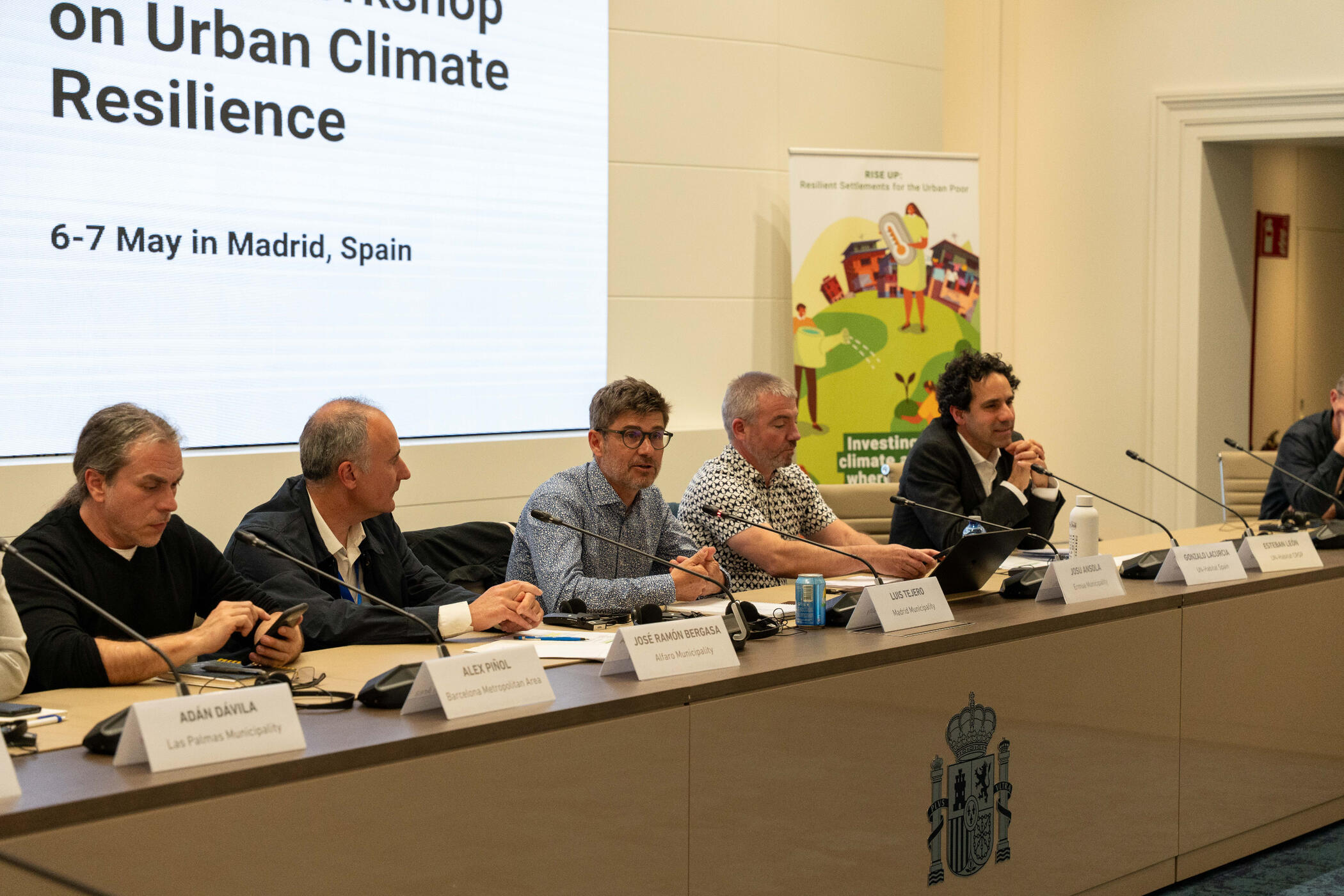
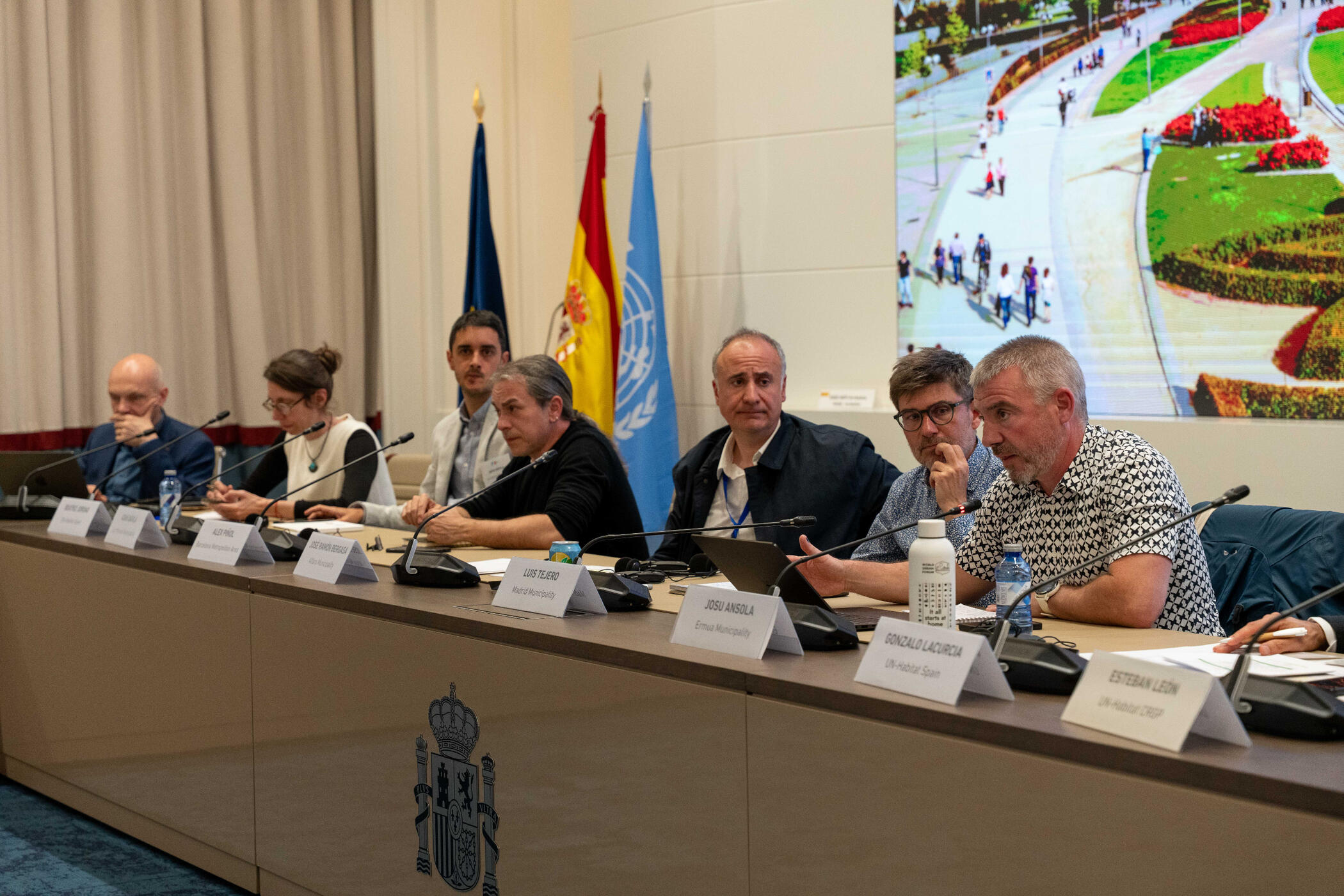
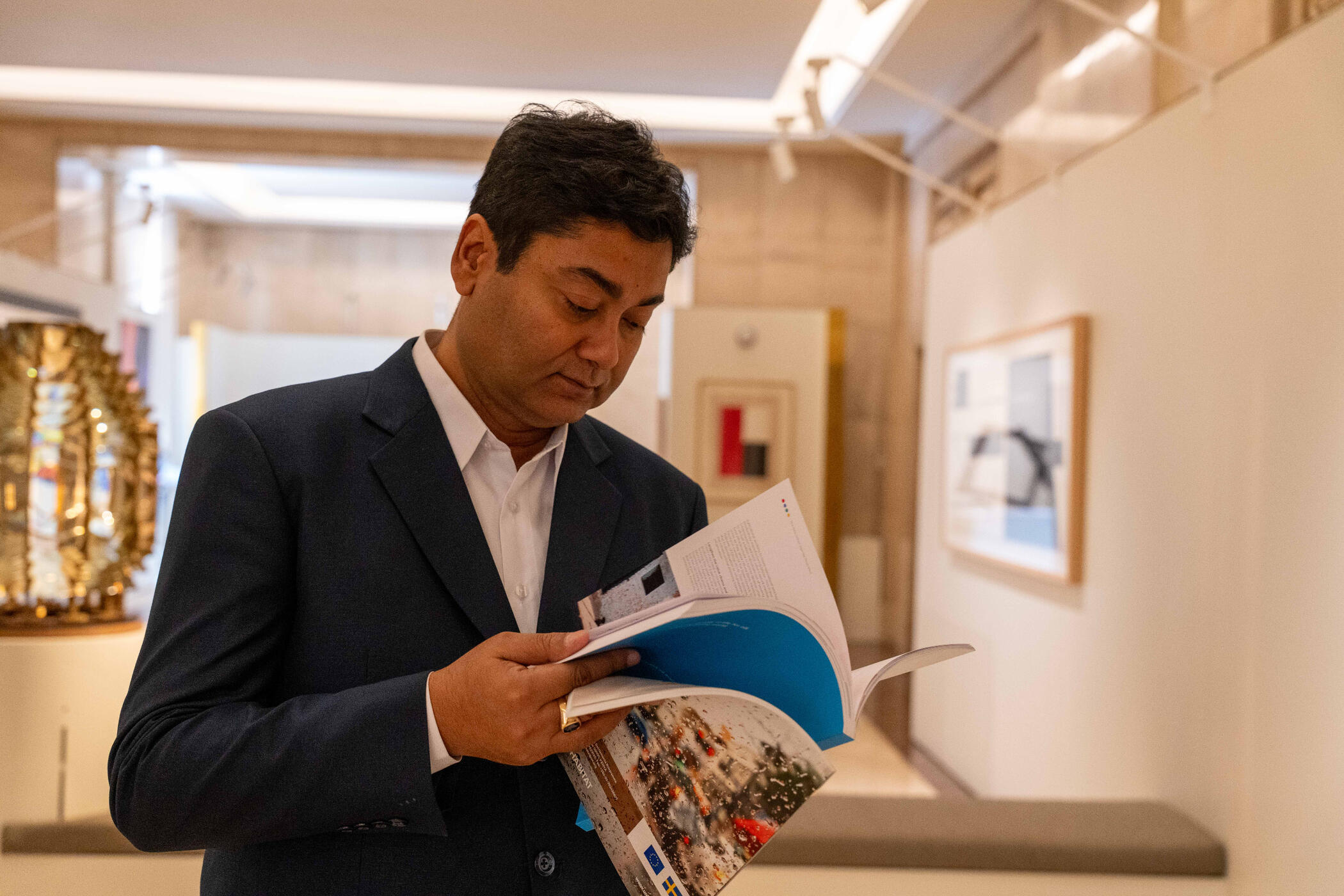
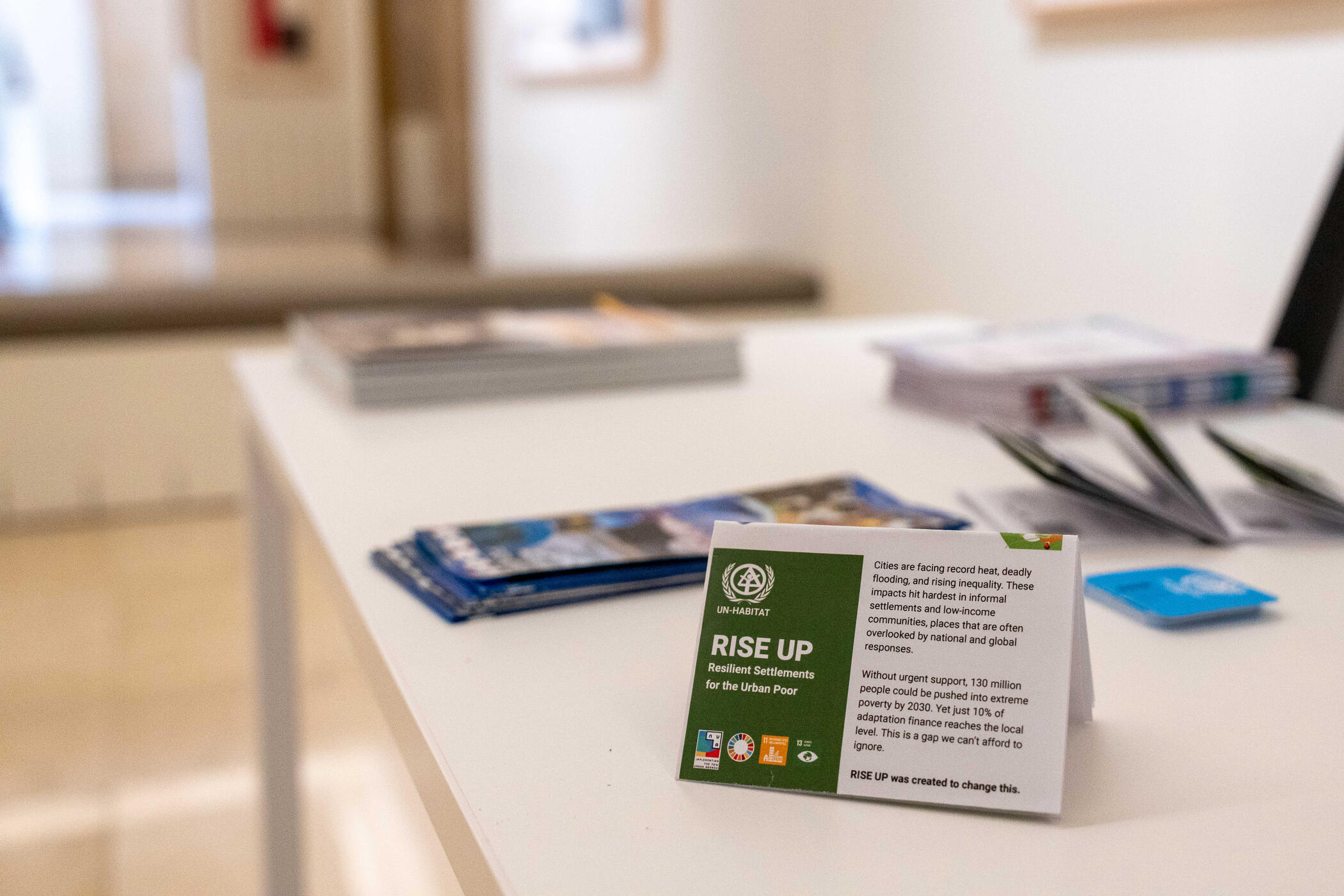
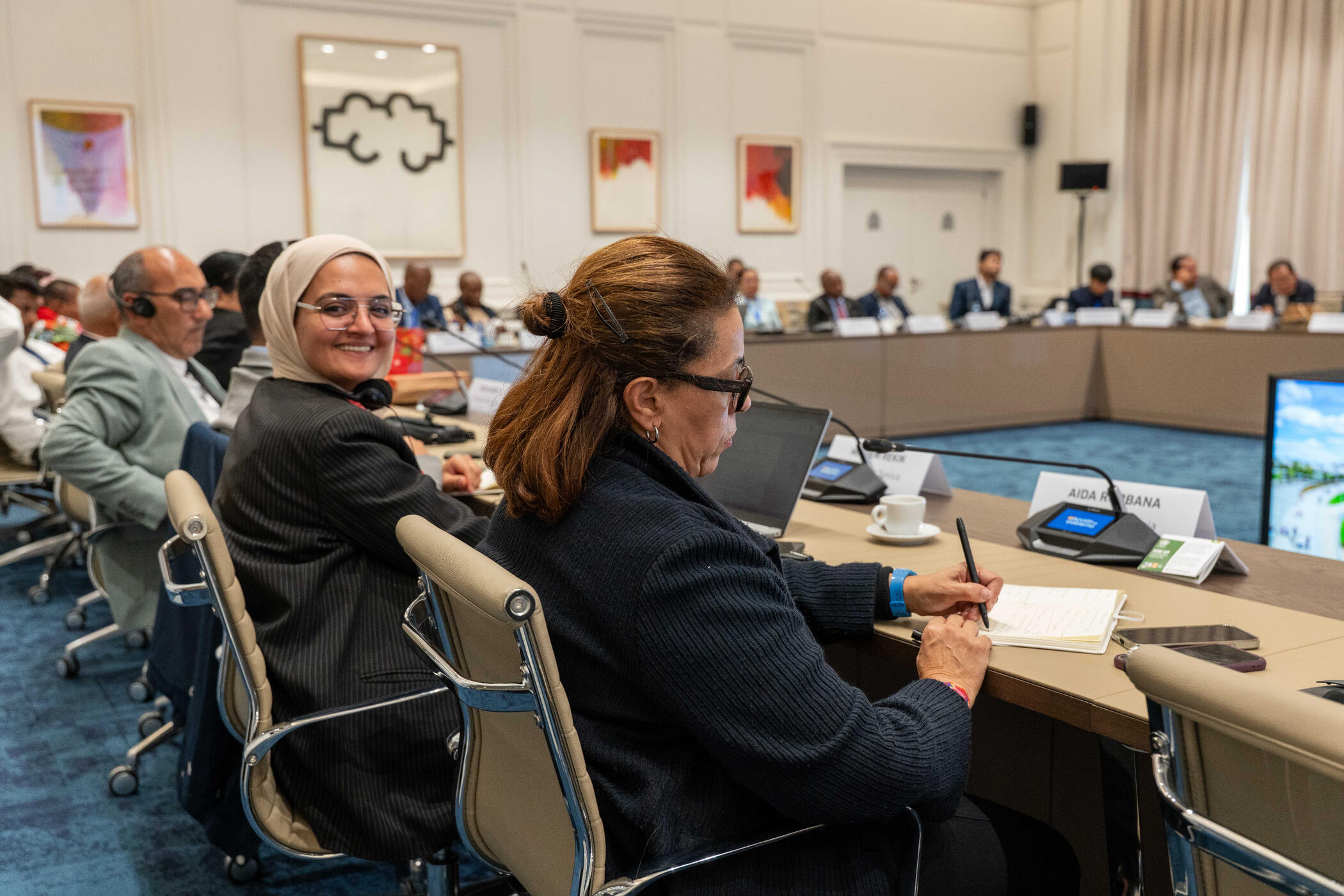
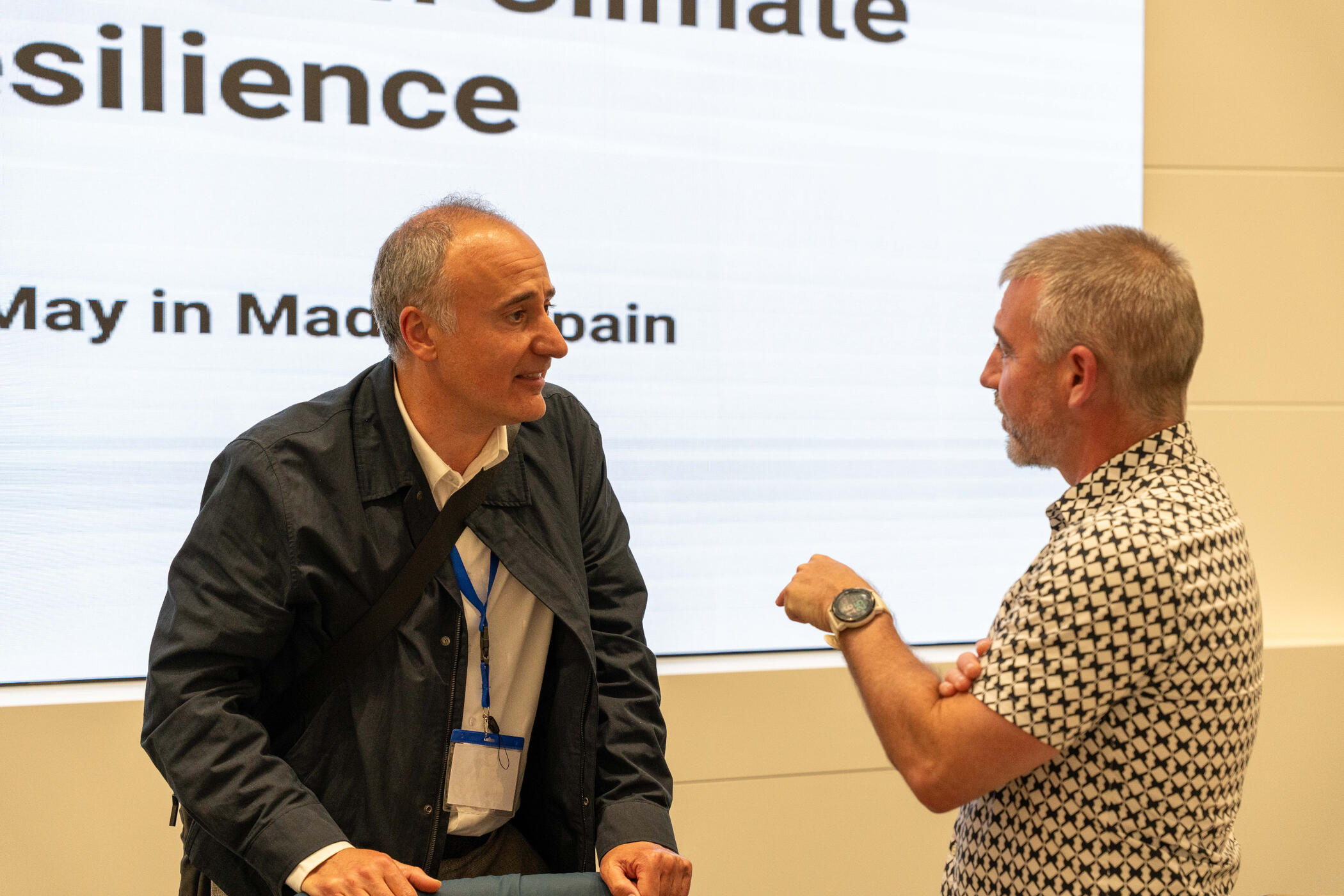
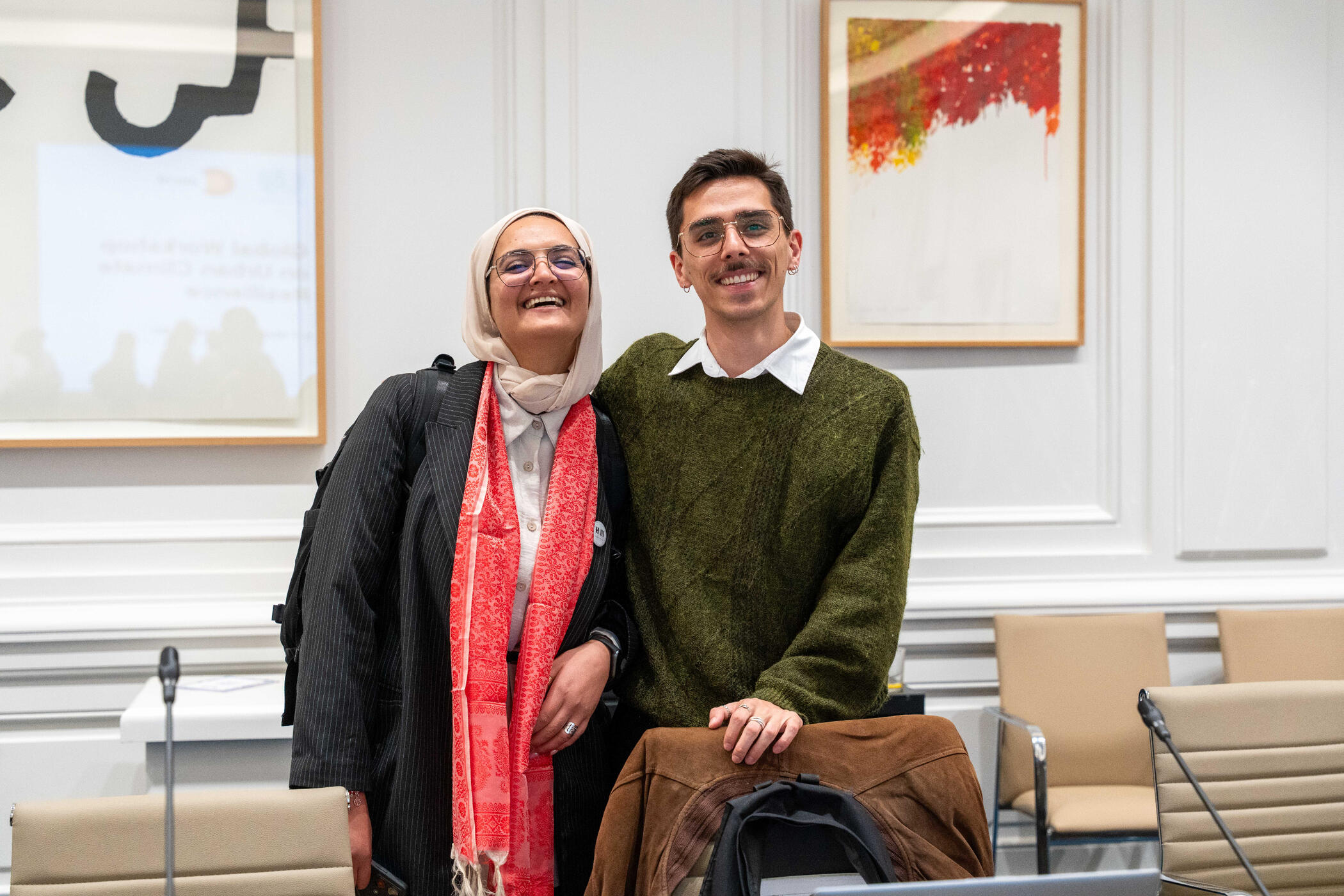
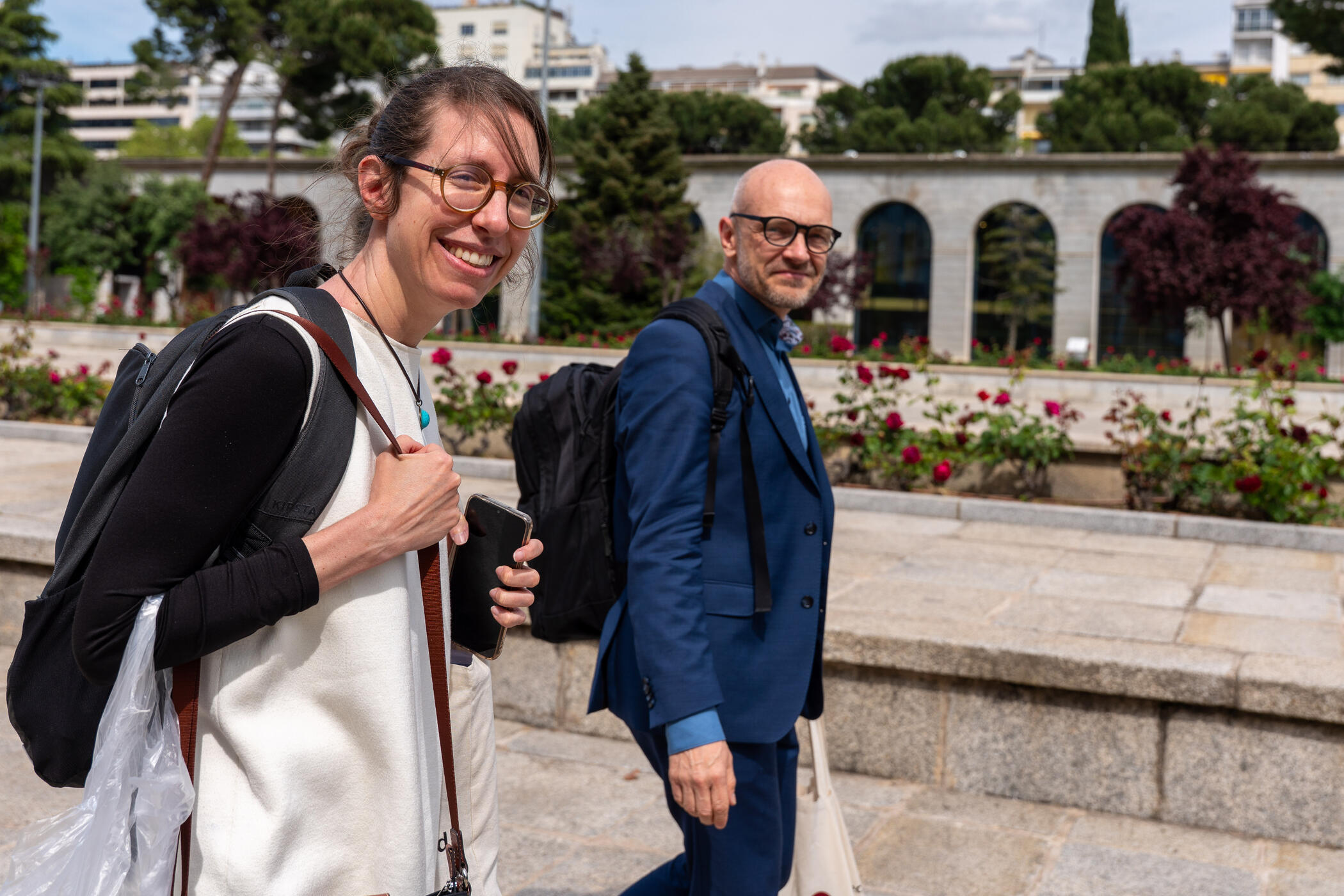
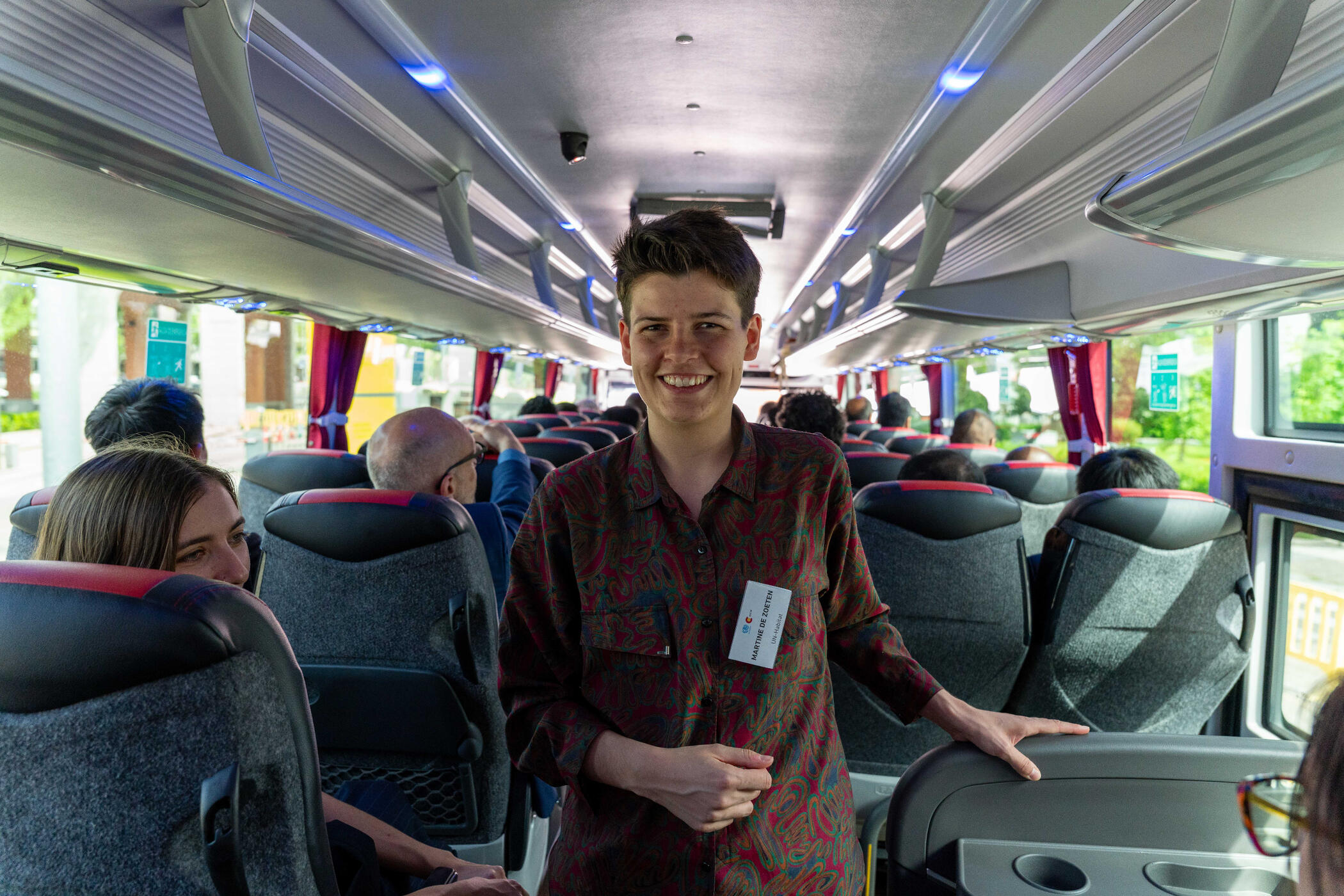
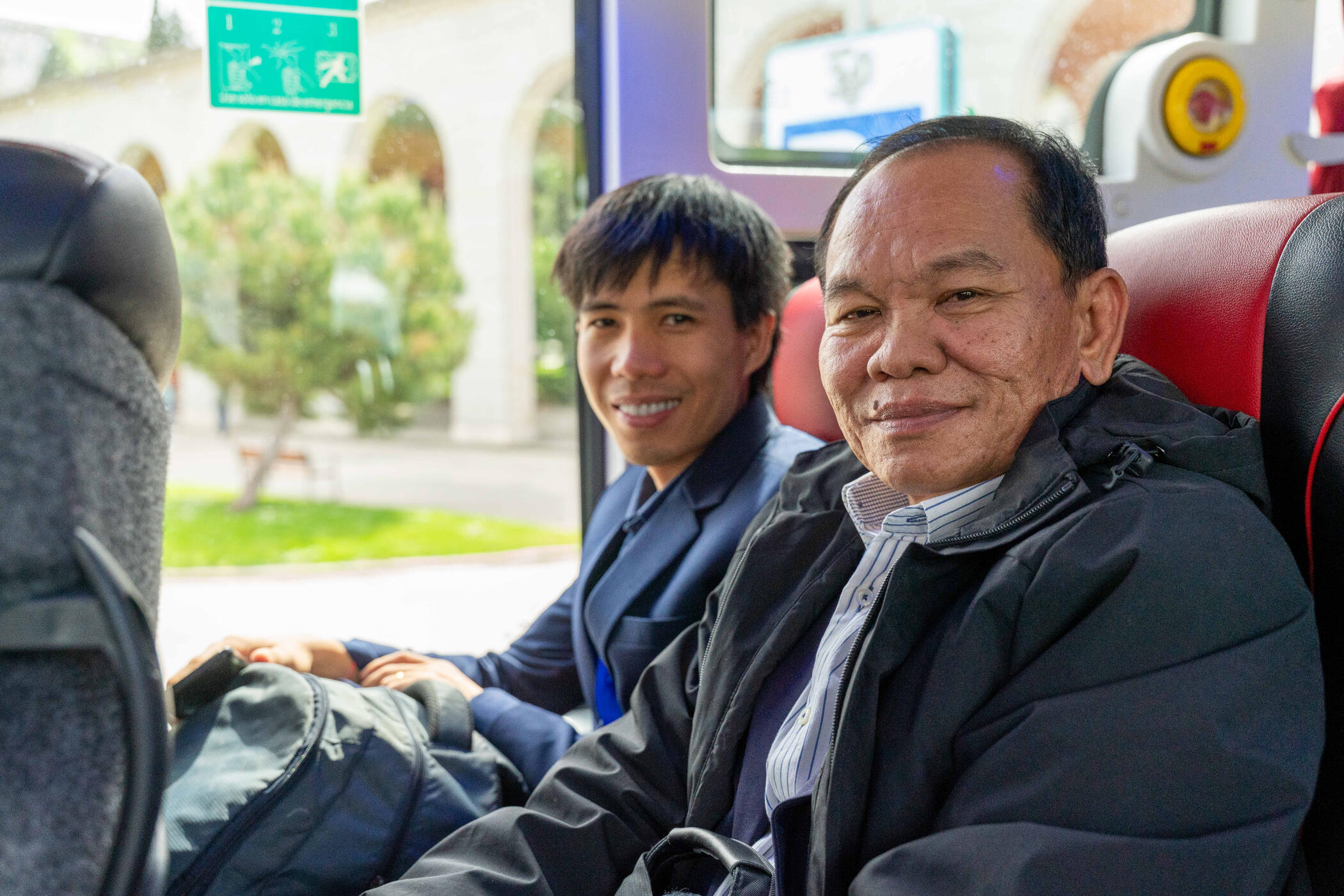
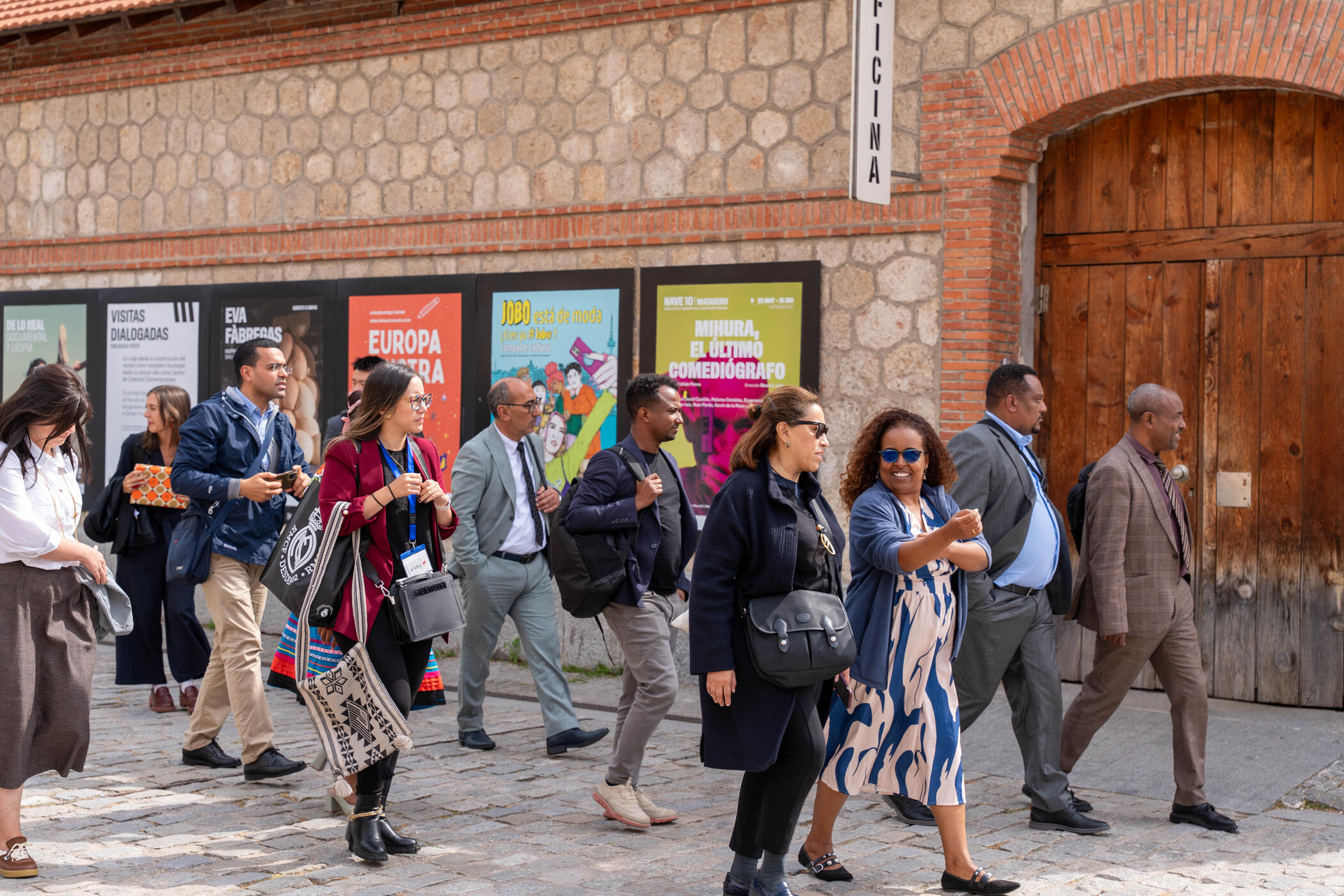
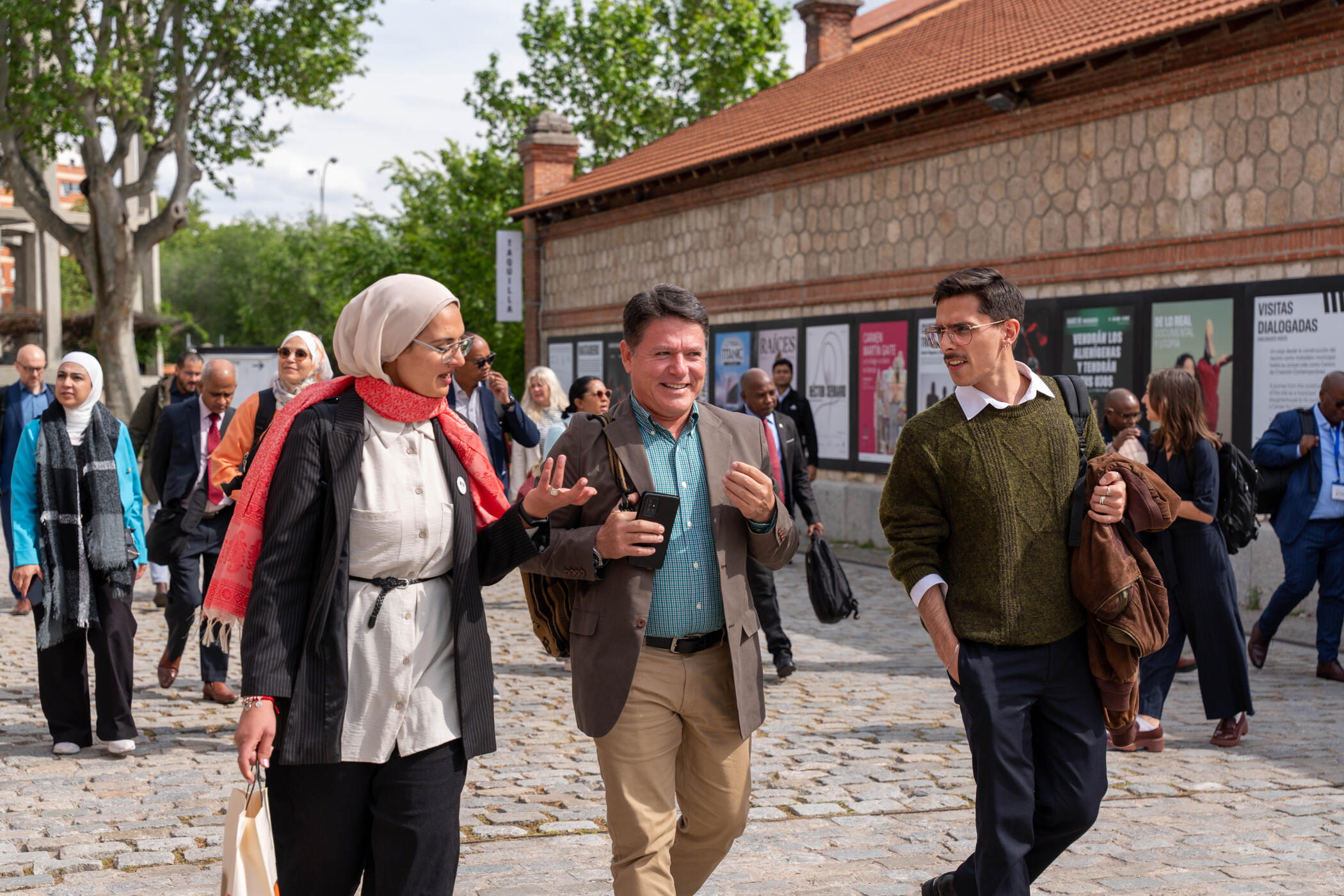
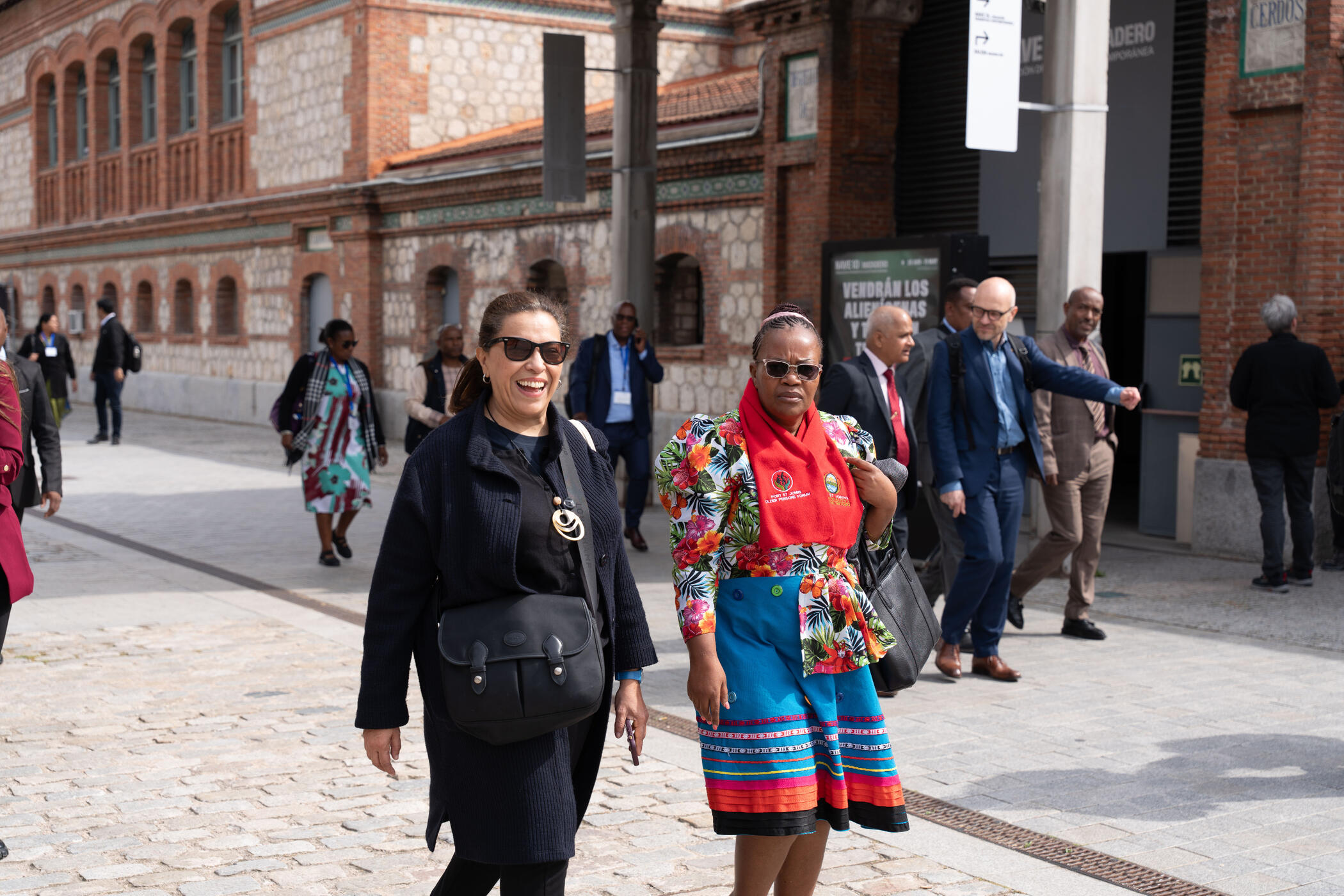
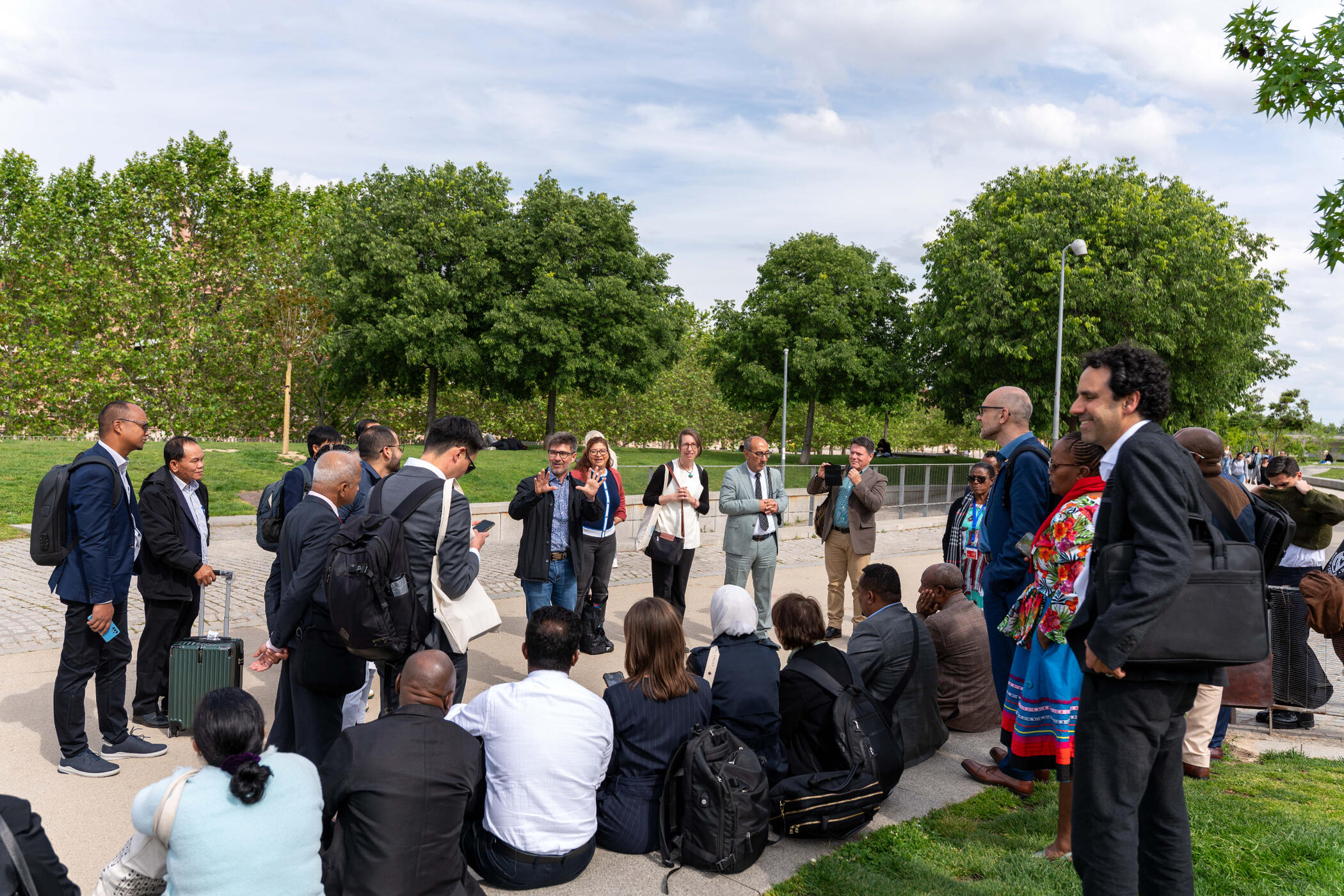
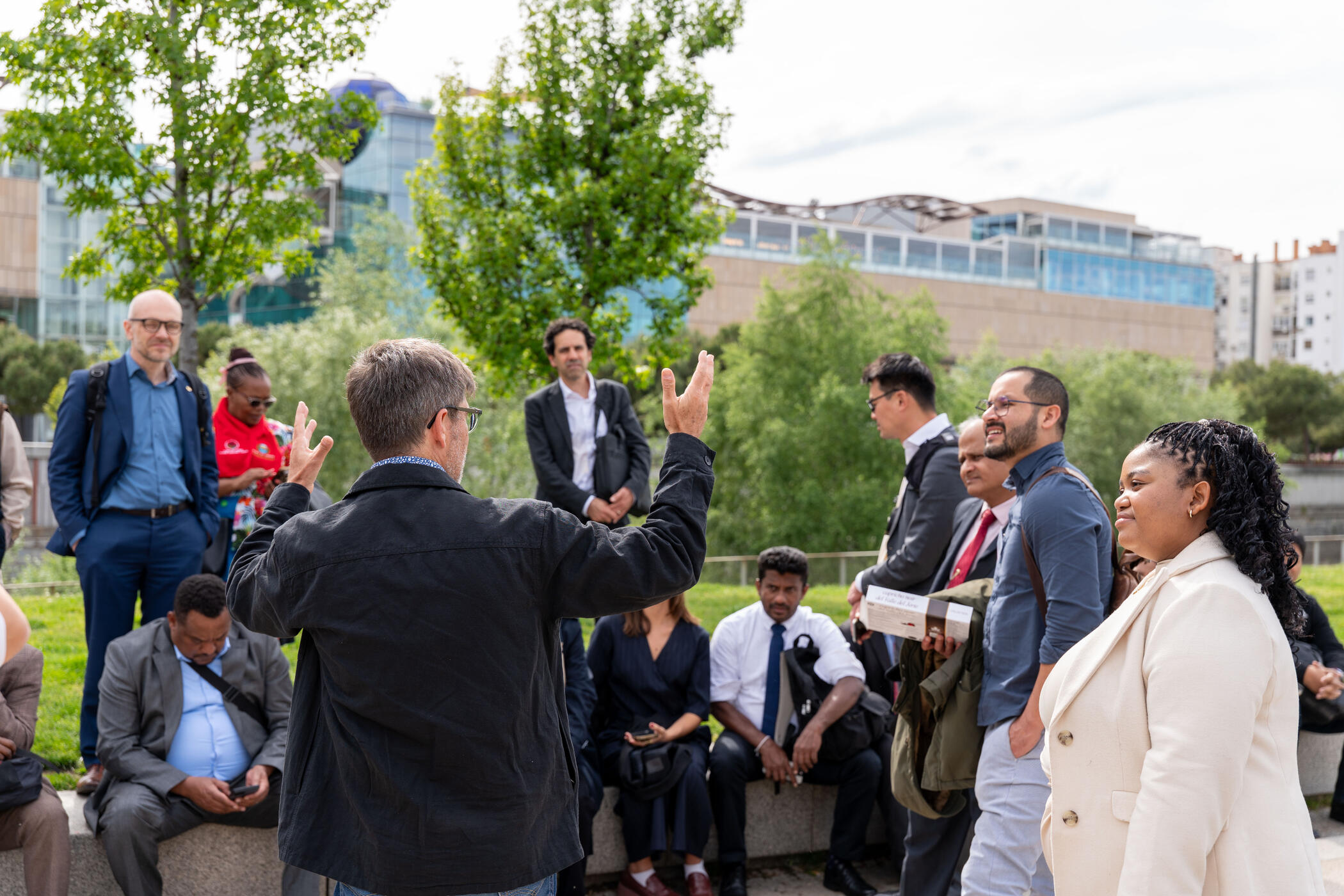
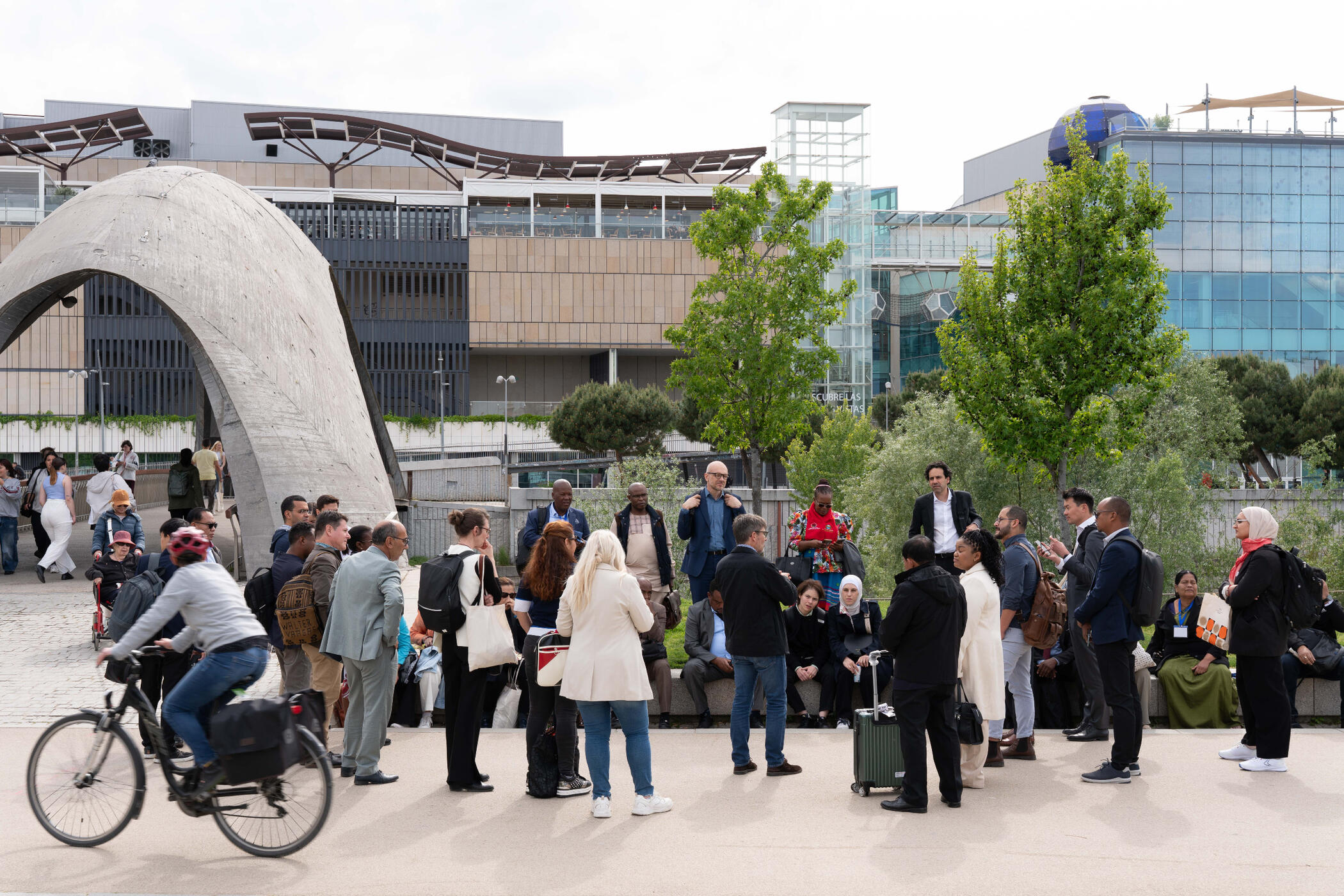
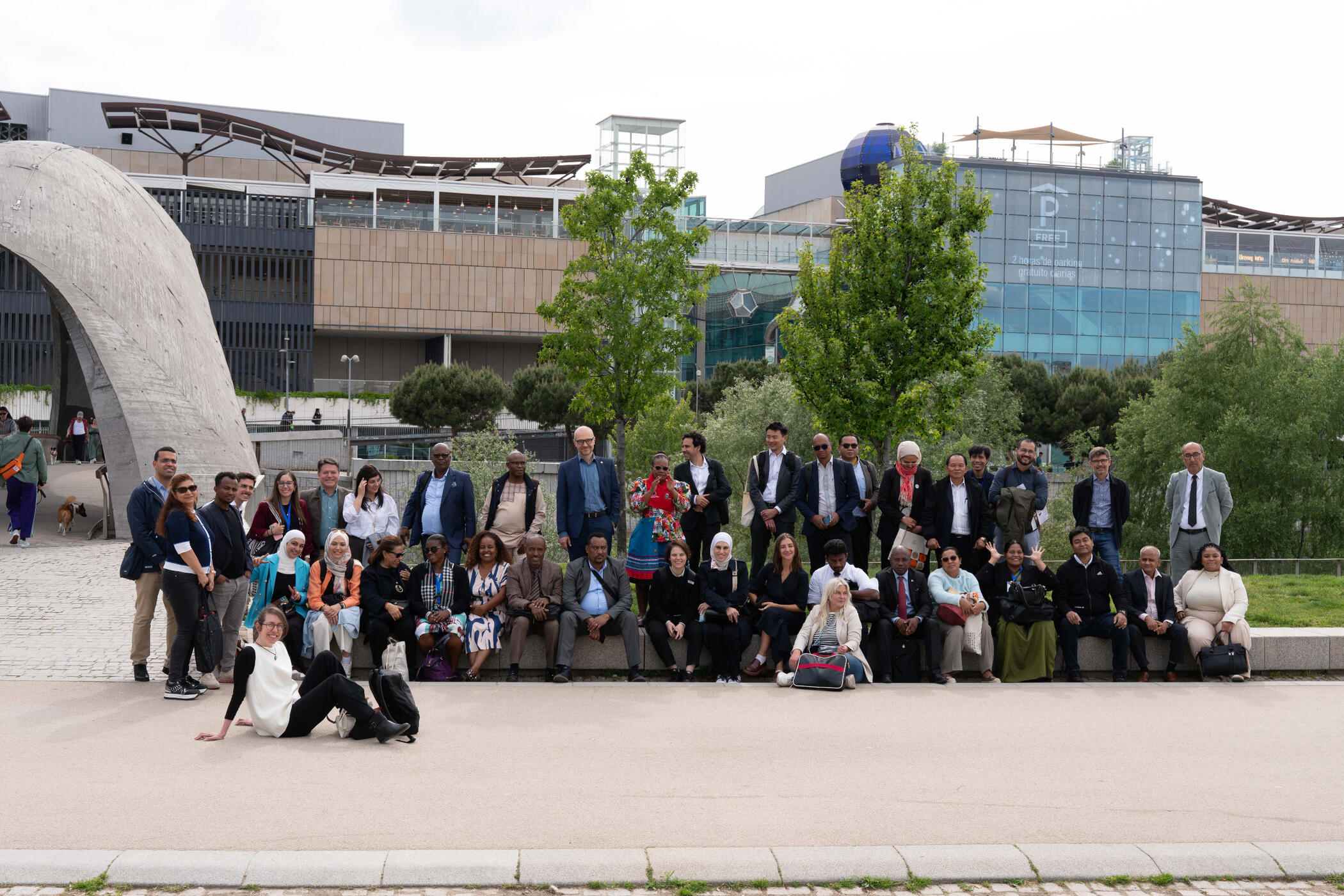
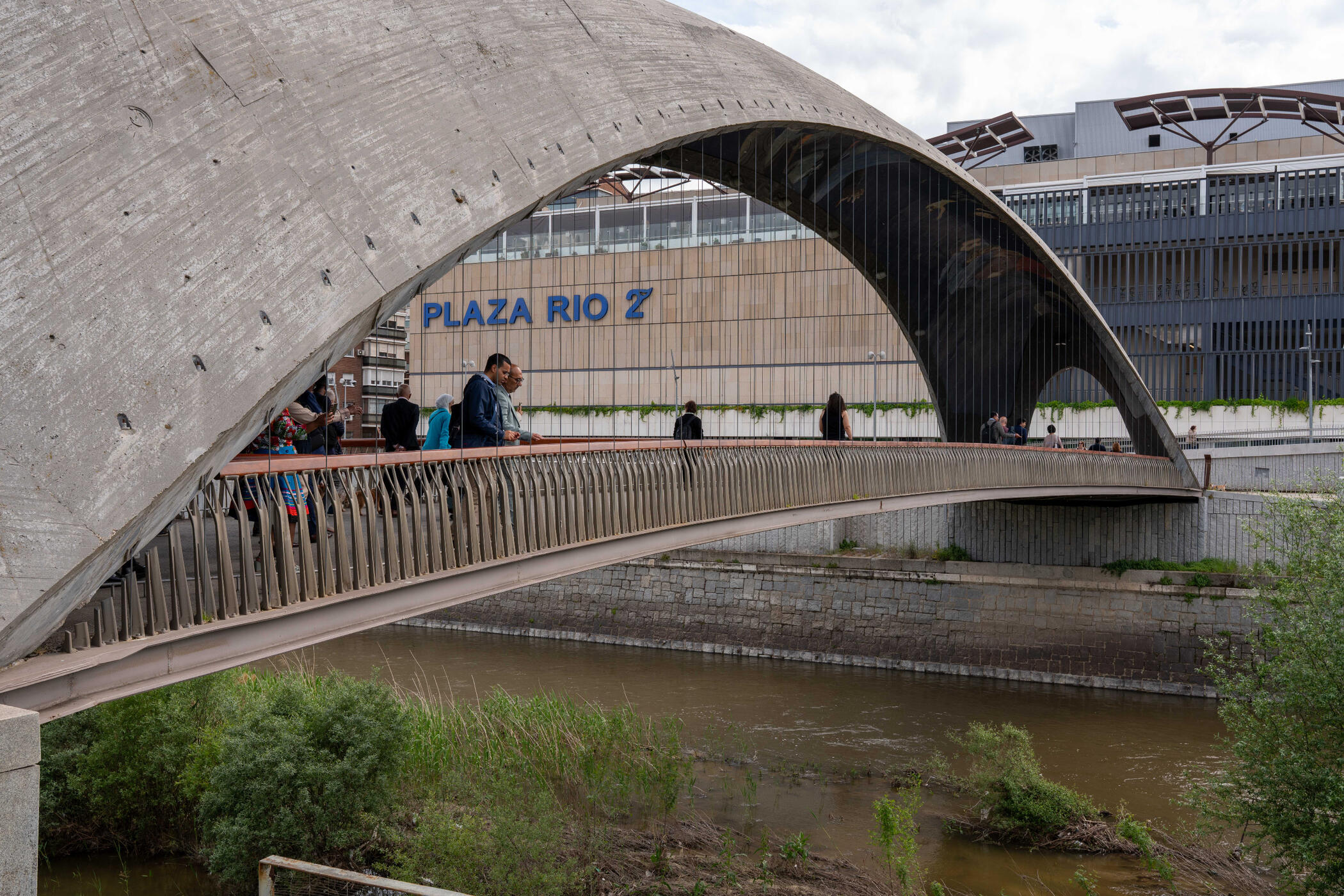
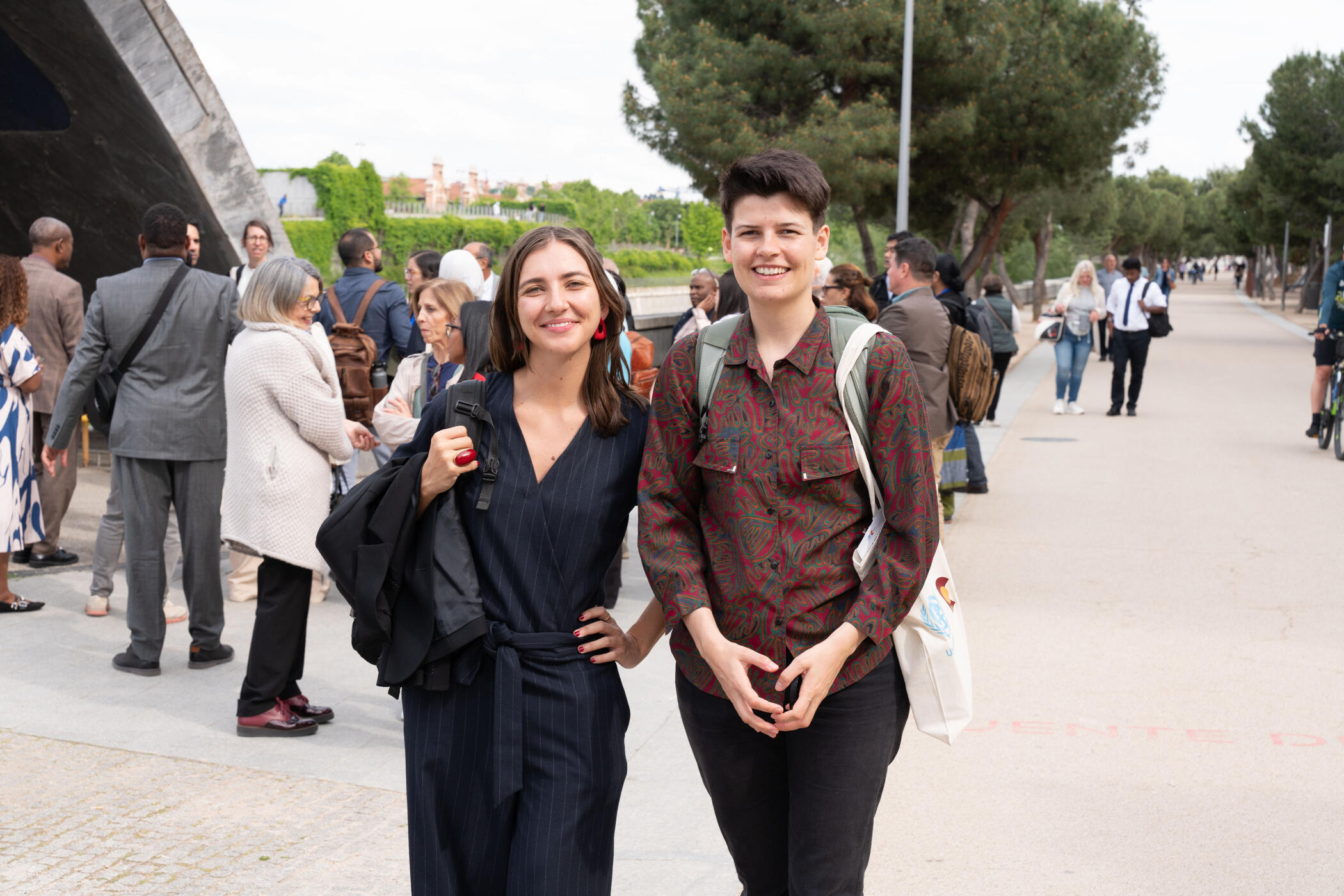
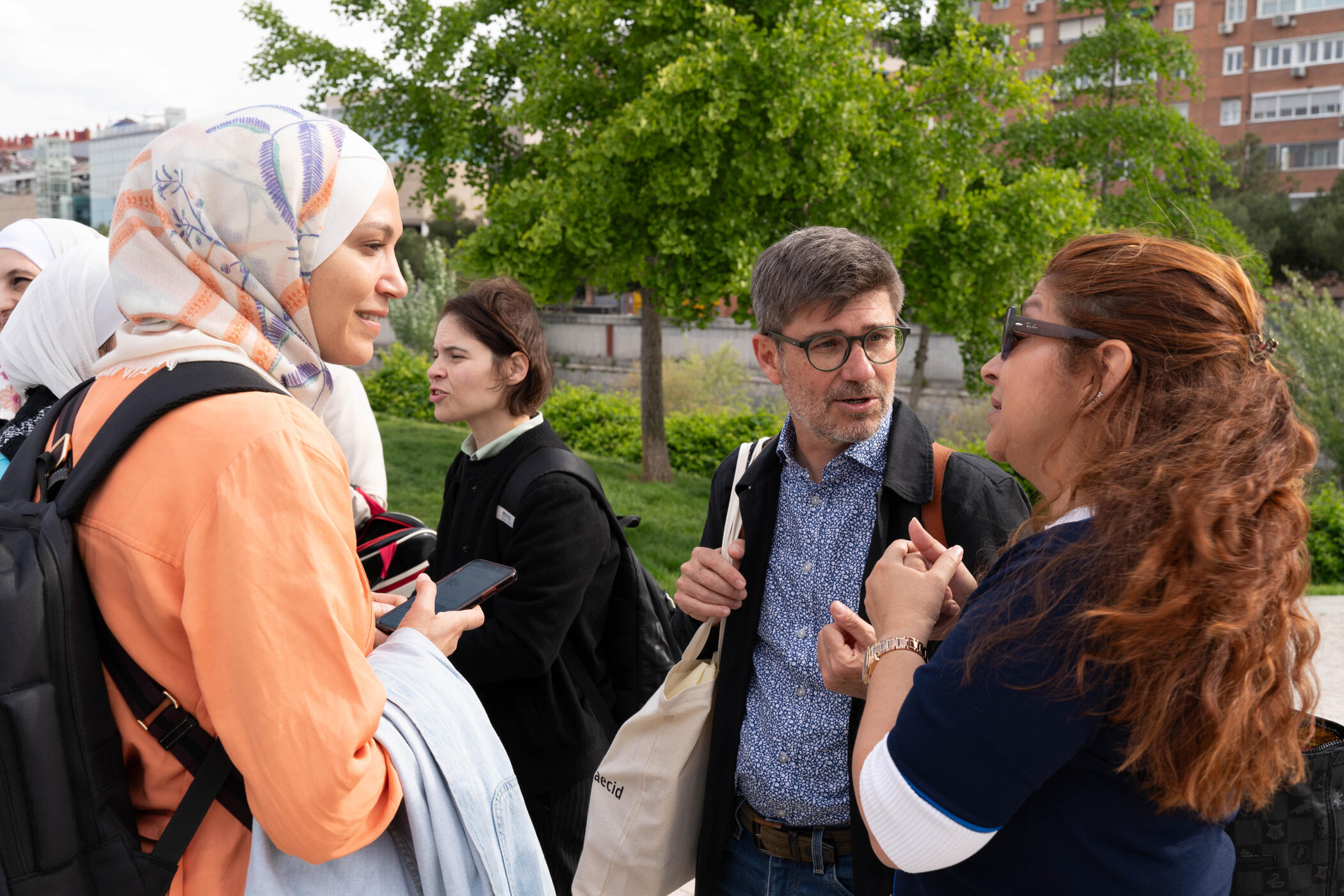
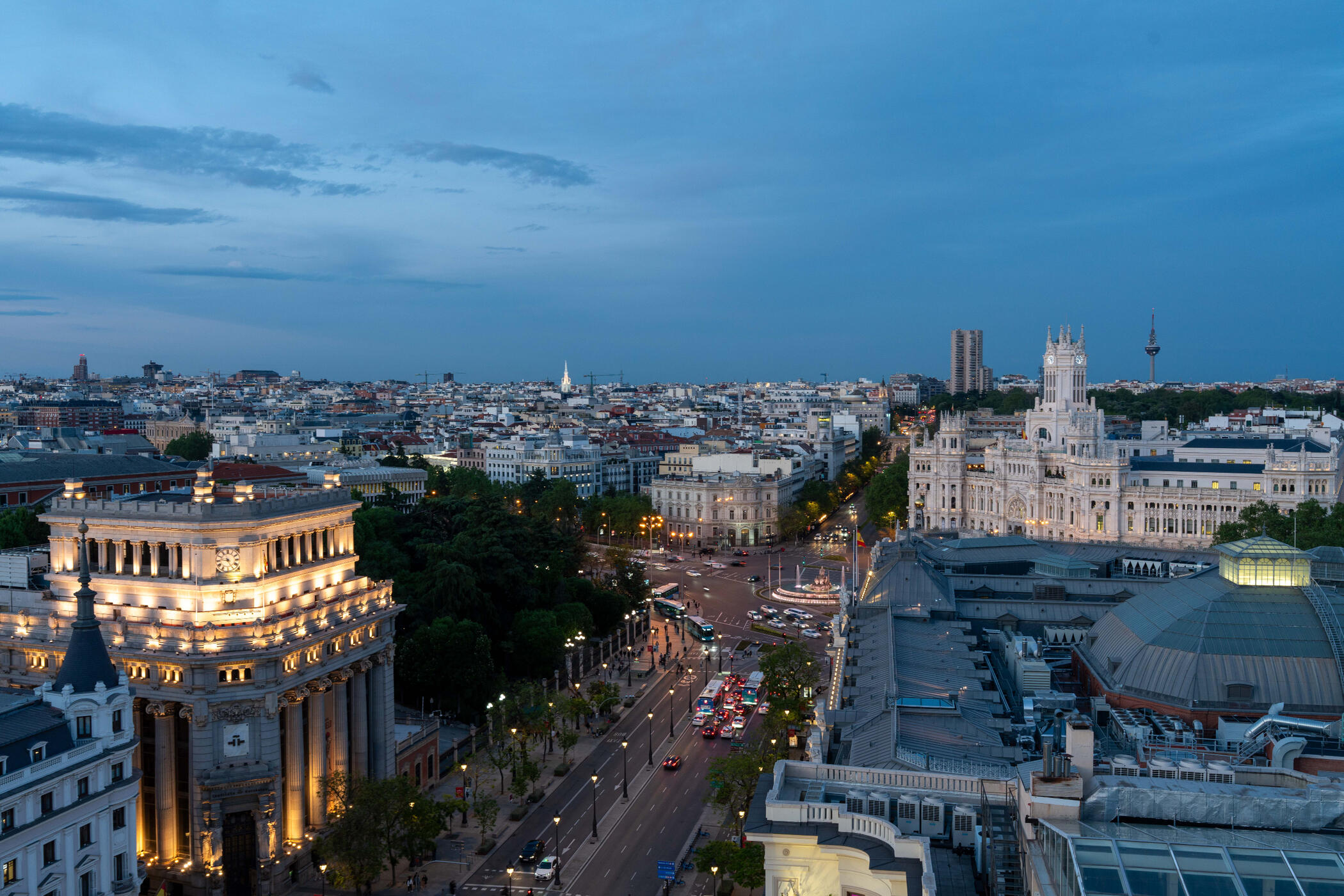
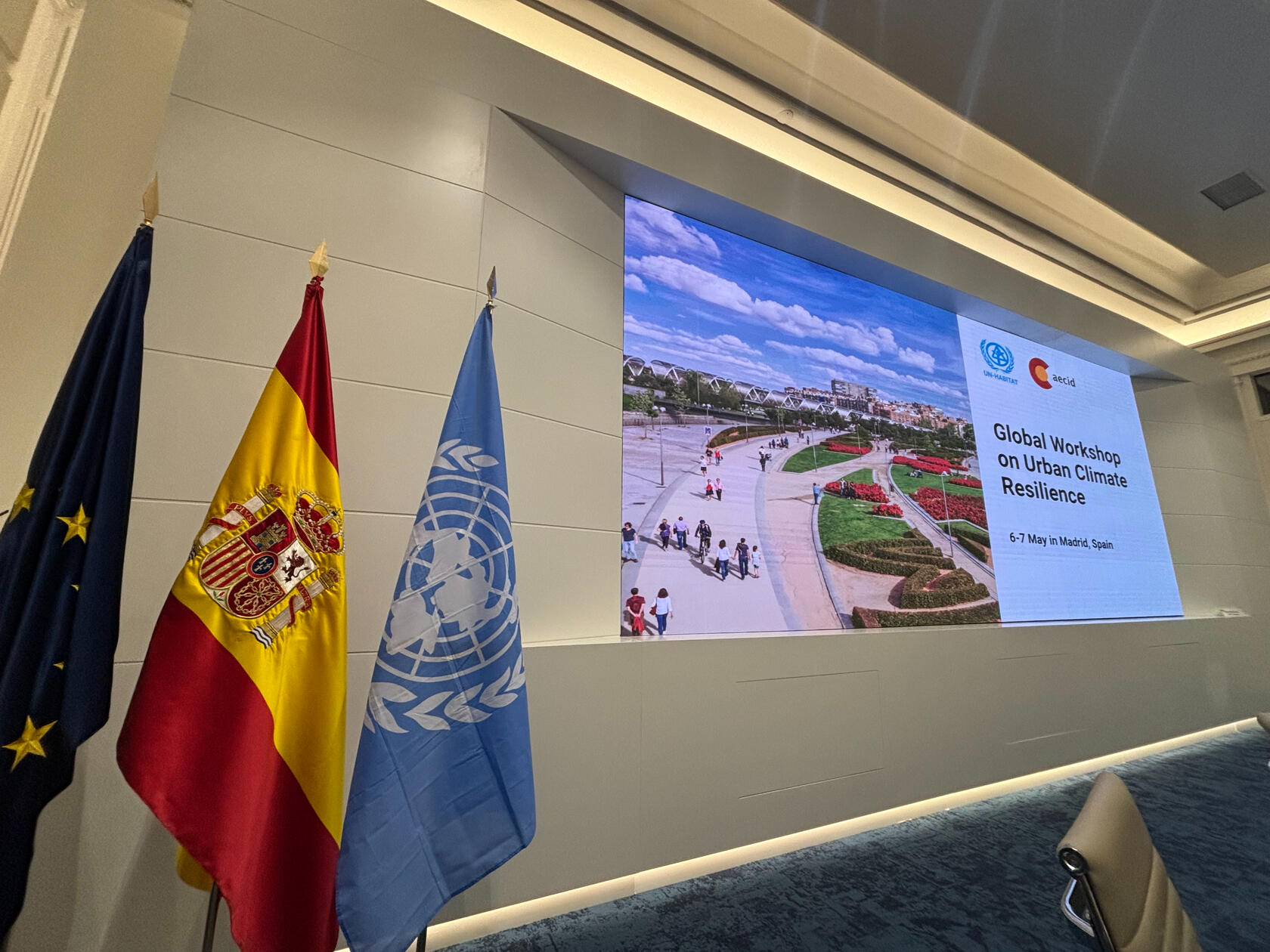
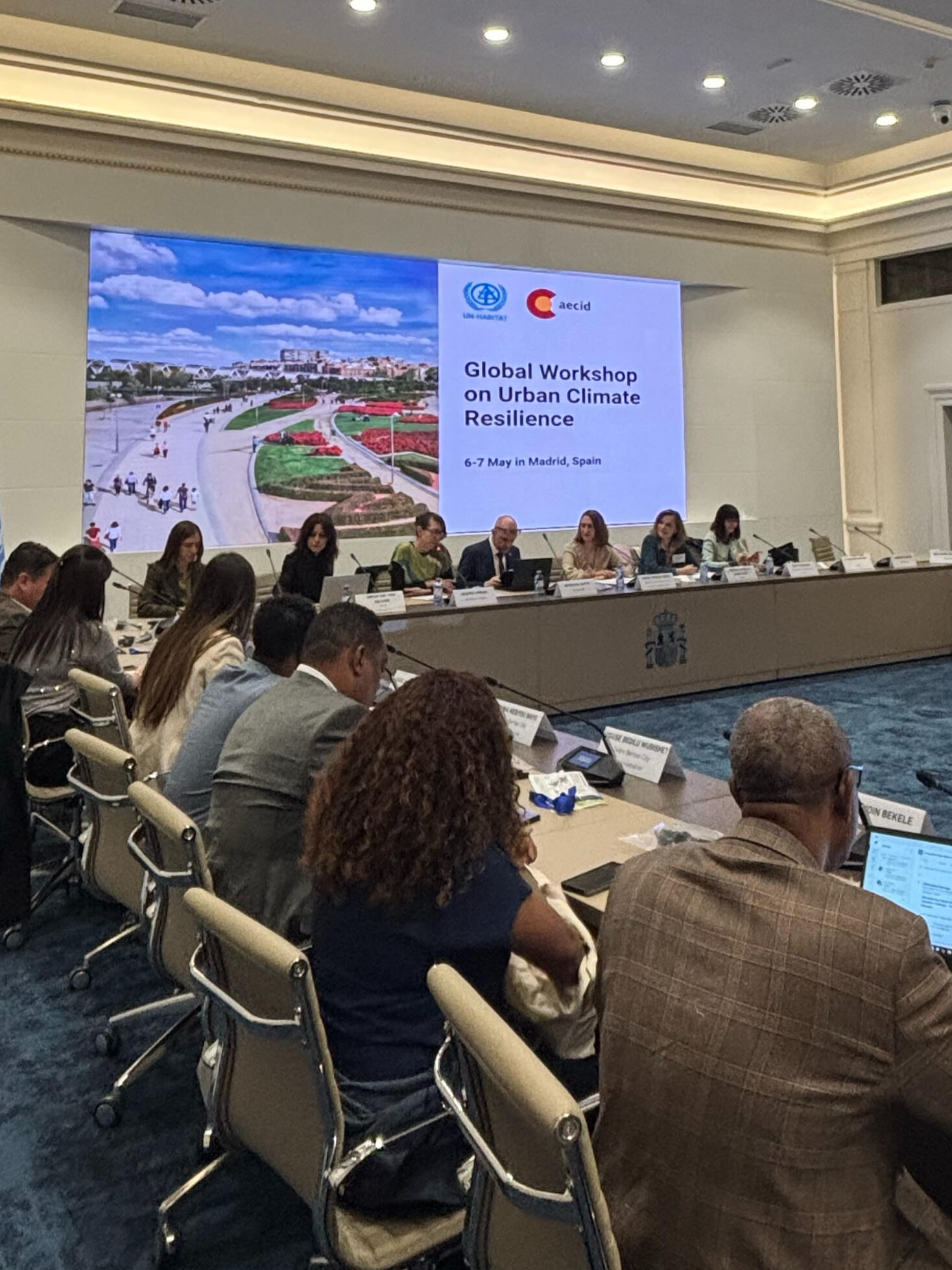
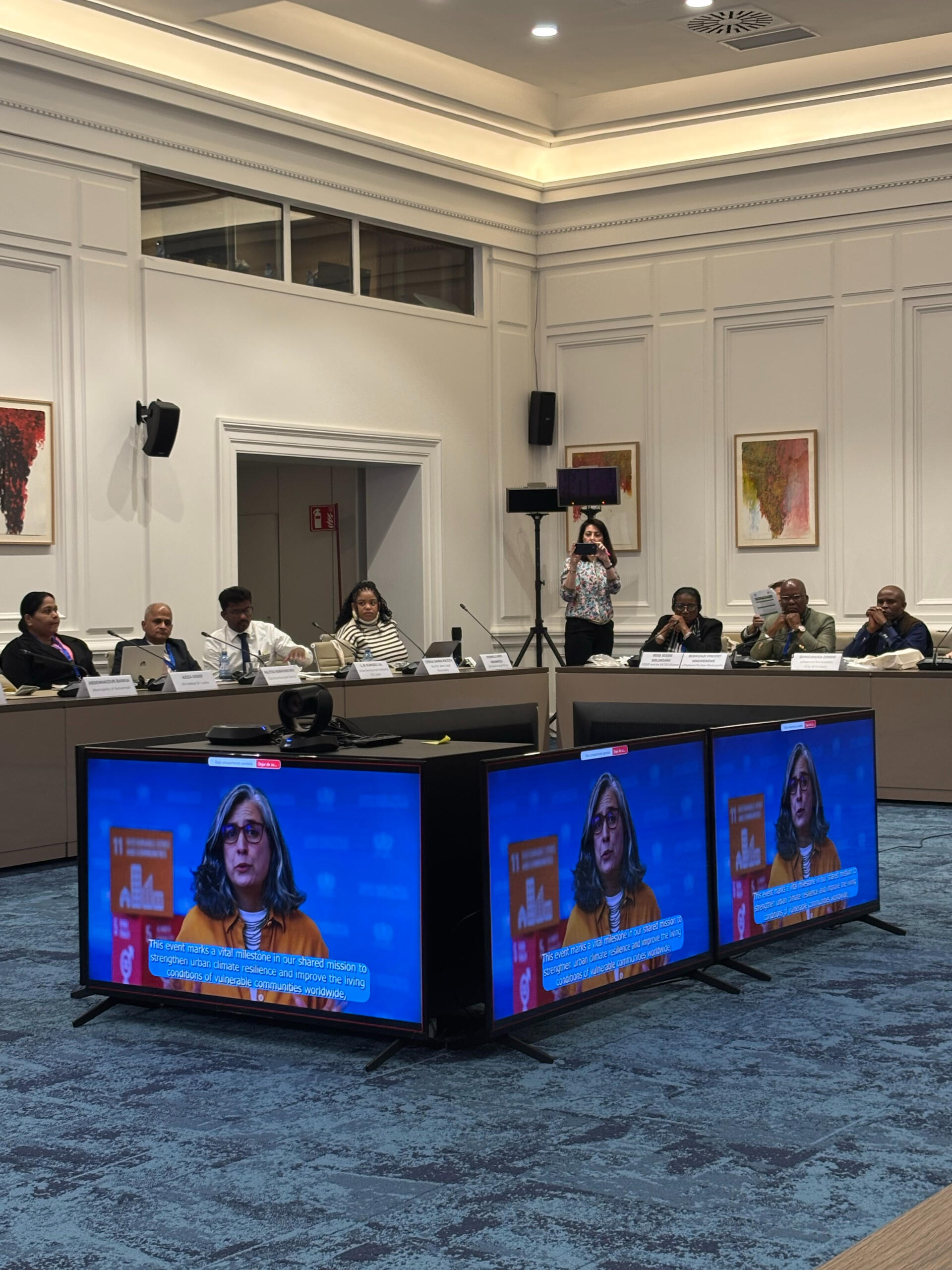
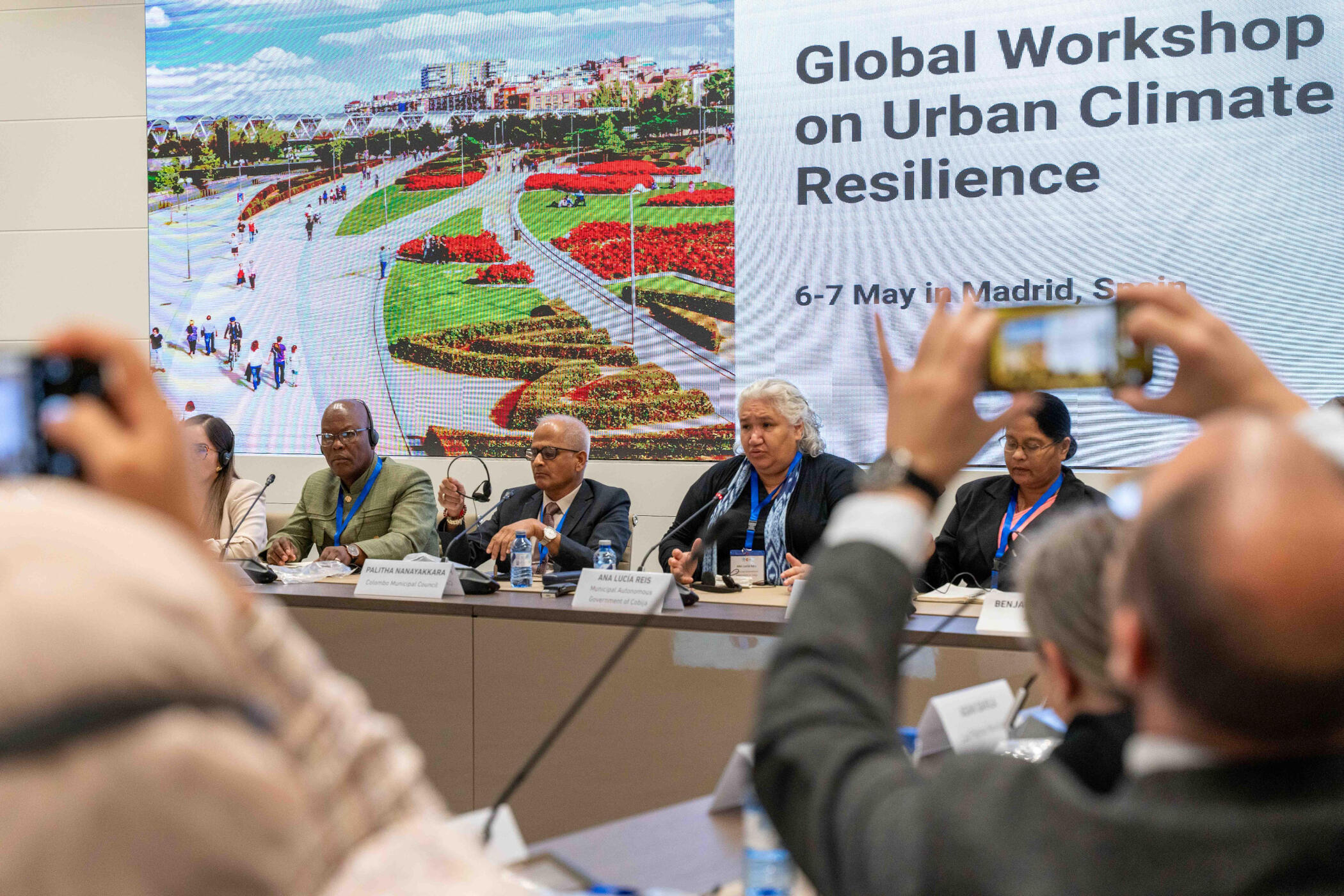
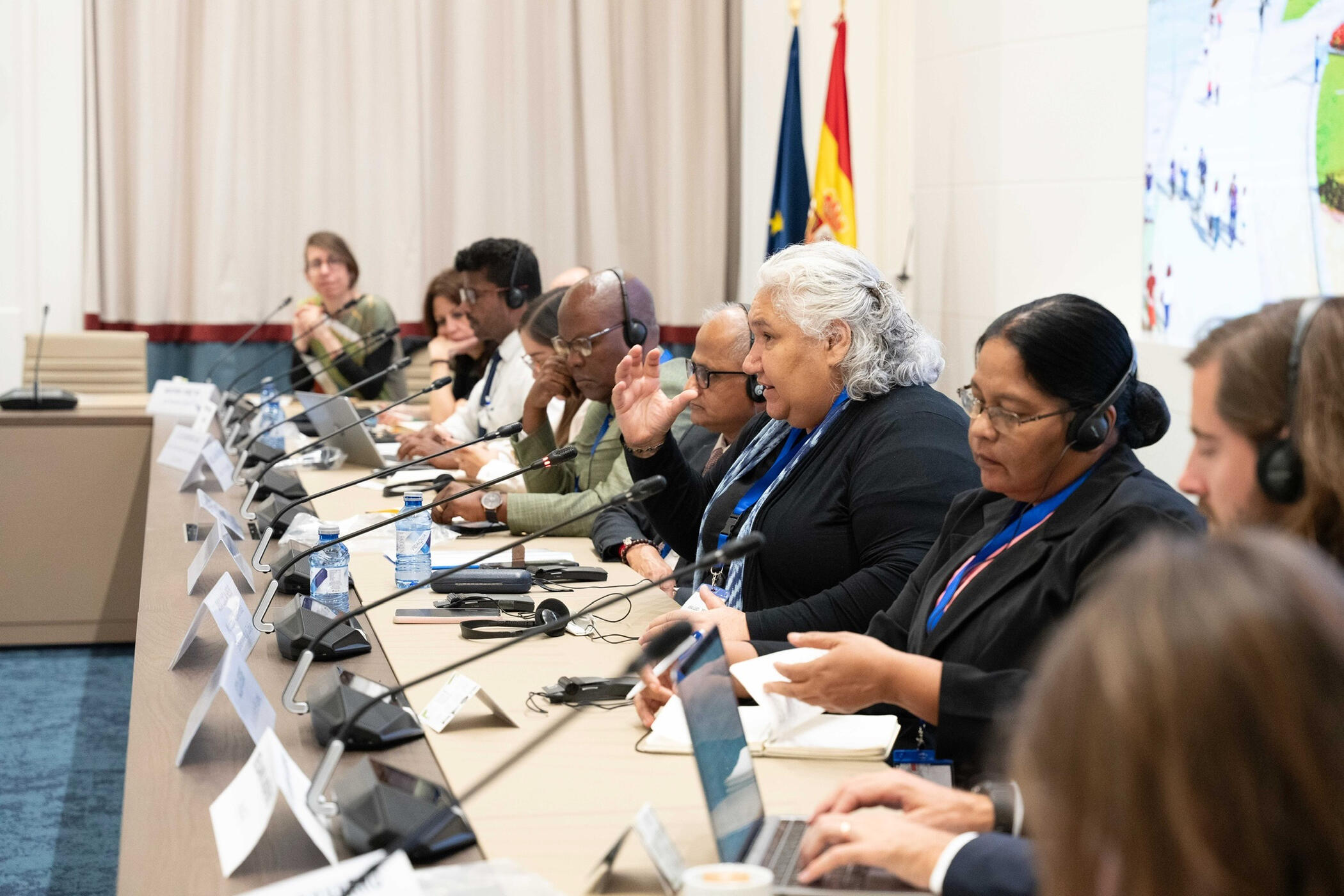
Below are selected photos from the workshop held in Madrid, 6-7 May, developed under UN-Habitat's Flagship Programme, RISE-UP: Resilient Settlements for the Urban Poor, and proudly supported by AECID and the 2030 Agenda for Sustainable Development Sub-Fund under the UN Peace and Development Trust Fund (UNPDF).A selection of photos are below and 📷 all photos are available in this online folder.Are you part of the workshop? Be a part of the conversation - post your reflections, photos, or takeaways using the hashtag #RISEUP and tag UN-Habitat and AECID. For sample posts and key messages, dive into the Communications Toolkit 💥
Wednesday, 14 May 2025

What we heard: Key takeaways from the RISE UP Global Workshop on Urban Climate Resilience

Bernhard Barth
Programme Coordinator, Climate Change and Urban Environment
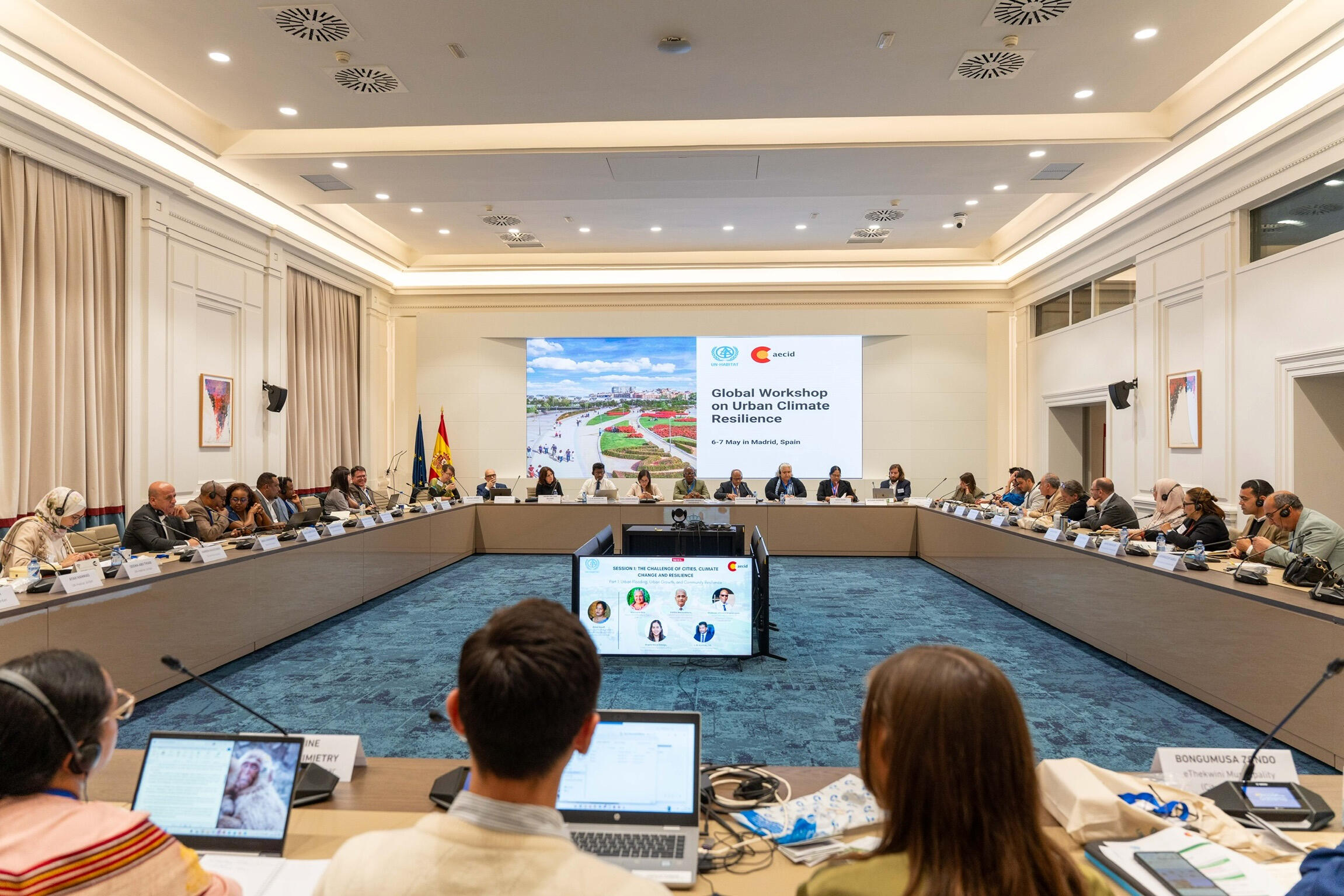
Cities are on the frontlines of climate change, but too often at the back of the line for resources. On 6 - 7 May 2025, local leaders, as well as climate, technical and finance experts from across Africa, Asia, Europe and Latin America gathered in Madrid for the Global Workshop on Urban Climate Resilience.Convened by UN-Habitat under the RISE UP Flagship Programme with support from the Spanish Agency of International Cooperation for Development (AECID) and the 2030 Agenda for Sustainable Development Sub-Fund under the UN Peace and Development Trust Fund (UNPDF), the workshop created space for cities to share their experiences, build partnerships, and shape the future of local climate action. The following 12 takeaways reflect what was shared by participants across the two days:1. Cities are on the frontlines of the climate crisis, facing a mix of heatwaves, floods, droughts, and environmental degradation - often with limited resources to respond.2. The burden is not shared equally. For many cities, the climate crisis does not arrive in isolation. It hits where services are already overstretched, where infrastructure is fragile, and where inequality runs deep. The result is a growing burden on the communities least equipped to recover.3. Local governments are stepping up. Across regions, cities are innovating and taking action to protect their communities. But they are often doing it alone, without sufficient technical support, financing, or political backing to deliver solutions at the scale required.4. National and local alignment remains a work-in-progress. Many cities are advancing climate plans, but national climate strategies do not provide local governments with the policy and financial support needed, making it harder to scale and sustain local climate action. Strengthening partnerships across government levels and with financial and technical partners is essential to bridge this gap.5. Cities need clearer implementation pathways. Many cities are committed to climate resilient urban development and articulate such visions in their development plans. Yet, they face challenges in bridging the gap between strategies and implementation. Clearer project development processes and support in translating plans into credible proposals are needed to achieve real impact.6. Finance is still a bottleneck. Local governments continue to face complex application processes and lack guidance on how to prepare viable, bankable proposals. Capacity support and more localized finance mechanisms are key to accelerating action.7. Data is a foundation for action. Cities need better data, tools and modelling to understand risks, prioritize investments, and make informed planning decisions – especially in informal or data-poor settings.8. Community engagement is critical. Climate resilience is stronger when shaped by local priorities and lived experience. Co-design and inclusive planning help ensure that solutions respond to real needs on the ground.9. Peer exchange is valuable. Cities value learning from one another and called for more structured platforms to share experiences, tools, and lessons learned, especially among cities facing similar climate crises. North-South and South-South exchanges are impactful. Hands-on technical interchanges between Spanish municipal staff and partner cities with differing needs has demonstrated that mutual learning is essential to unlocking practical solutions.10. Building climate resilience sustained commitment. It requires political leadership, reliable funding, and trusted partnerships. Without these foundations, even well-planned efforts risk stalling before reaching the communities who need them the most.11. Long-term capacity support strengthens local delivery. Short-term or project-based assistance often leaves gaps once funding ends. Ongoing support helps cities build institutional knowledge, retain skills, and integrate resilience into everyday planning and governance.12. Cities bring global ambition to life. Across regions, local leaders are shaping and delivering climate solutions that respond to the realities of their communities. With the right support, city-led action can drive more just and lasting resilience.RISE UP was established to respond to these challenges with a flexible, city-led approach that adapts to changing contexts and builds on what is already working. Rather than supporting isolated pilot activities, it aims to deliver scalable, investment-ready solutions that reflect the priorities of the communities they serve.Looking ahead to Phase II of the current projects, supported by AECID and the 2030 Agenda for Sustainable Development Sub-Fund, the Flagship Programme will focus on turning action plans into fundable projects, strengthening institutional capacity, and supporting multilevel partnerships to advance global climate goals such as NDCs.This workshop was made possible through the collective efforts of cities, partners, technical experts, AECID and the 2030 Agenda for Sustainable Development Sub-Fund all committed to advancing solutions to the global climate crisis.